







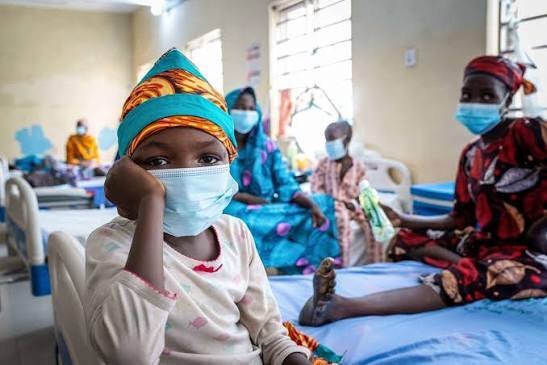
Nigeria’s response to the diphtheria outbreak is taking different directions across the country, with Zamfara reopening schools after an improvement in its situation while Plateau State intensifies its response after 31 deaths.
The developments highlight the challenge facing health authorities: controlling outbreaks locally while building stronger systems to detect and respond to future public health threats.
Zamfara Reopens Schools After Diphtheria Improvement
All schools in Zamfara State reopened on Monday, September 28, after health officials reported an improvement in the state’s diphtheria situation.
The decision covers public and private schools as well as Islamic and Qur’anic education centres. However, the reopening comes with additional health measures. Schools have been instructed to monitor pupils and staff for symptoms, improve ventilation and handwashing, reduce overcrowding and support planned preventive vaccination efforts.
The state had recorded 367 confirmed diphtheria cases by September 15, with more than 320 patients treated and discharged. Health officials had also reported 44 deaths at that point, showing why the government previously delayed school resumption.
The reopening therefore does not mean the outbreak has disappeared. It means authorities believe the situation has improved enough for schools to resume while surveillance and prevention continue.
Plateau Faces a More Serious Situation
The picture is more difficult in Plateau State. As of September 24, the state had recorded 469 suspected diphtheria cases and 31 deaths. Jos North accounted for 370 of the suspected cases, making it the most affected local government area.
The state has responded with active case searches, contact tracing, community awareness and vaccination. More than 160,000 children had been reached with diphtheria and tetanus vaccines, while more than 30,000 had received Pentavalent vaccines.
Plateau also activated an Incident Management System to coordinate the response across government agencies and health partners.
The Bigger Issue Is Preparedness
The diphtheria response comes as Nigeria pushes for stronger global financing for pandemic preparedness.
At a high-level meeting during the 81st United Nations General Assembly on September 26, Nigeria called for sustainable and predictable financing for low- and middle-income countries. The Federal Ministry of Health said a $250 million World Bank Health Security Programme is already supporting health security capacity at federal and state levels.
The message is significant because the current diphtheria outbreaks show why preparedness cannot only begin when cases rise.
For Zamfara, improved conditions have allowed schools to reopen, but officials are keeping surveillance measures in place. In Plateau, the response is still being expanded. Meanwhile, Nigeria is pushing internationally for financing that can strengthen vaccination, disease surveillance, laboratories and rapid response before outbreaks become larger crises.