








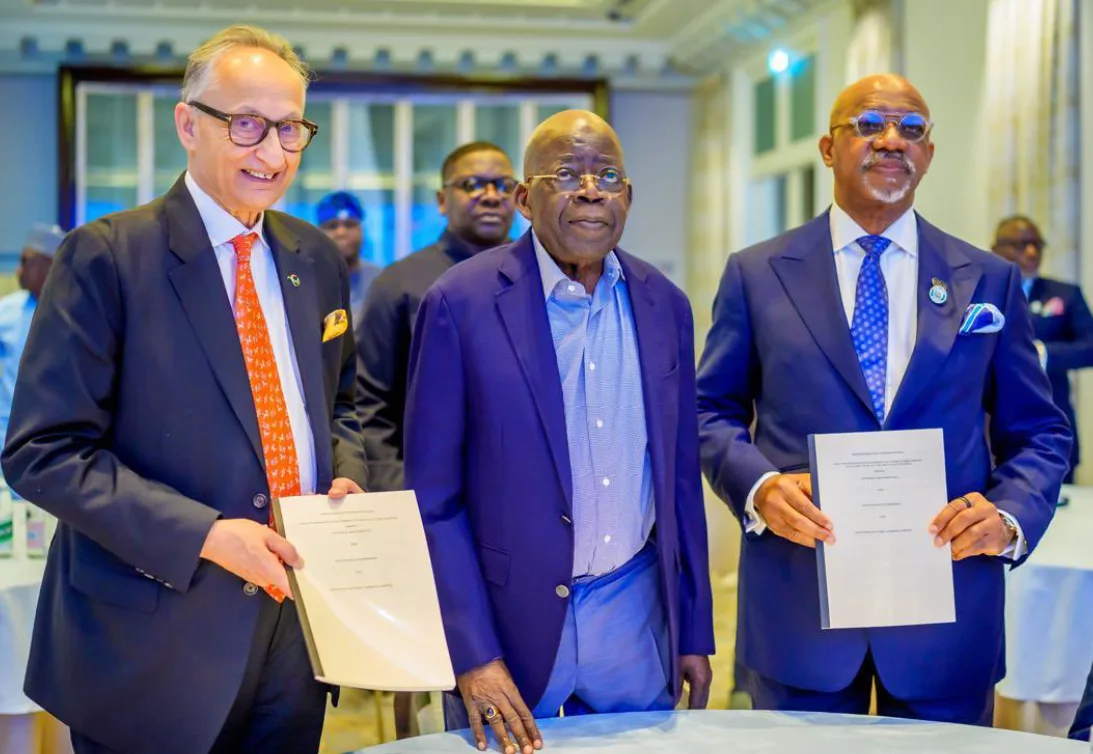
Ogun State and the Federal Government have signed Memoranda of Understanding with global ports operator DP World for the development of the Gateway Deep Sea Port and the Ogun State Blue Marine Special Economic Zone, in a deal expected to attract more than $7 billion in initial investment.
The agreements were signed in Paris on September 24, 2026, with President Bola Tinubu witnessing the ceremony alongside Ogun State Governor Dapo Abiodun and senior maritime officials. The projects are projected to create more than 50,000 direct jobs when fully developed.
But the bigger story is not simply the size of the investment. It is the attempt to connect a new port directly to an industrial zone and create a new route for goods moving in and out of Nigeria.
Why the Ogun Deep Seaport Matters
The Ogun Deep Seaport is planned for Ogun Waterside with a four-kilometre berth and an 18-metre draft. That would allow it to handle larger vessels while reducing pressure on the Lagos port corridor, including Apapa and Tin Can Island.
For importers and exporters, the government says the new port could reduce congestion, delays and logistics costs. It would also give manufacturers closer access to international shipping routes.
That matters because port infrastructure is closely connected to the cost of doing business. A port that moves cargo more efficiently can help businesses move raw materials in and finished products out more easily.
The Industrial Zone Is the Bigger Part of the Plan
The proposed Ogun State Blue Marine Special Economic Zone will cover about 10,000 hectares. The government’s plan is for the zone to support manufacturing, processing and export-oriented industries around the port.
This is where the project could become more than a transport investment. Instead of goods simply arriving at a Nigerian port before travelling elsewhere, the model is designed to encourage companies to process raw materials, manufacture products and prepare goods for export within the wider industrial corridor.
The Federal Government says the projects could generate substantial non-oil export earnings and create additional indirect employment across logistics, manufacturing and related services.
What Happens After the MoUs?
The immediate challenge is moving from signed agreements to actual construction and investment.
President Tinubu said the Federal Government would support road, rail and power connections while reducing bureaucratic obstacles. The government also says the Lagos-Calabar Coastal Highway will provide an important transport link to the port and industrial zone.
For Ogun, the eventual test will be whether the project attracts manufacturers, creates jobs and lowers logistics costs rather than remaining another large infrastructure proposal.
The $7 billion Ogun Deep Seaport deal therefore starts a much longer process. The value of the project will ultimately depend on how quickly the port, industrial zone and supporting infrastructure move from plans into productive economic activity.