









The arrest of a man accused of beating a toddler with what appeared to be a charger cable in Ikorodu, Lagos, has reopened an uncomfortable question about corporal punishment as a form of home training.
The Lagos State Domestic and Sexual Violence Agency (DSVA) confirmed that the alleged perpetrator was arrested on Wednesday, September 23, 2026, after the child’s mother reported the incident. The child and her mother were also referred to a General Hospital for medical attention and further assessment.
The incident has understandably caused outrage. But beyond this particular case is a wider conversation about how Nigerian families discipline children and where parents should draw the line.
When Does Discipline Become Abuse?
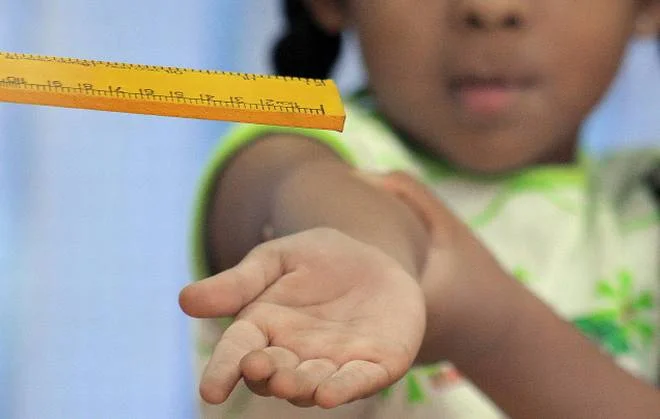
For many Nigerian parents, spanking or physical punishment has traditionally been treated as part of home training. The argument is often that a child needs to fear consequences to learn respect, obedience and good behaviour.
But physical punishment can quickly move beyond correction. A toddler being repeatedly struck on the head and body with a cable is not simply a discussion about whether parents should discipline their children. It raises questions about the methods adults use when trying to correct behaviour and whether those methods can put children at risk.
Lagos has already recognised child abuse as a serious safeguarding issue. The state government’s DSVA recorded 797 cases of child abuse and physical assault between September 2021 and July 2026, while it also reported more than 10,000 children affected emotionally by exposure to domestic violence.
Can Nigerian Parents Rethink Corporal Punishment?
Stopping corporal punishment does not mean abandoning discipline. Parents can set rules, remove privileges, give age-appropriate consequences and explain why a behaviour is wrong without hitting a child. For very young children, supervision, repetition and simple instructions can often be more appropriate than physical punishment.
The bigger challenge is changing the belief that beating is the same thing as training. Lagos’ Child’s Rights Law provides protections against physical, mental and emotional injury, abuse, neglect and maltreatment of children.
The Lesson Beyond This Case
The police investigation into the Ikorodu incident will determine what happened and what charges may follow. The Lagos government has also reiterated its zero-tolerance position on child abuse.
But families do not have to wait for another viral video before having this conversation.
If the goal of home training is to raise children who understand boundaries and respect others, the methods used to teach those lessons matter too. Discipline should correct a child without making violence part of what the child learns at home.