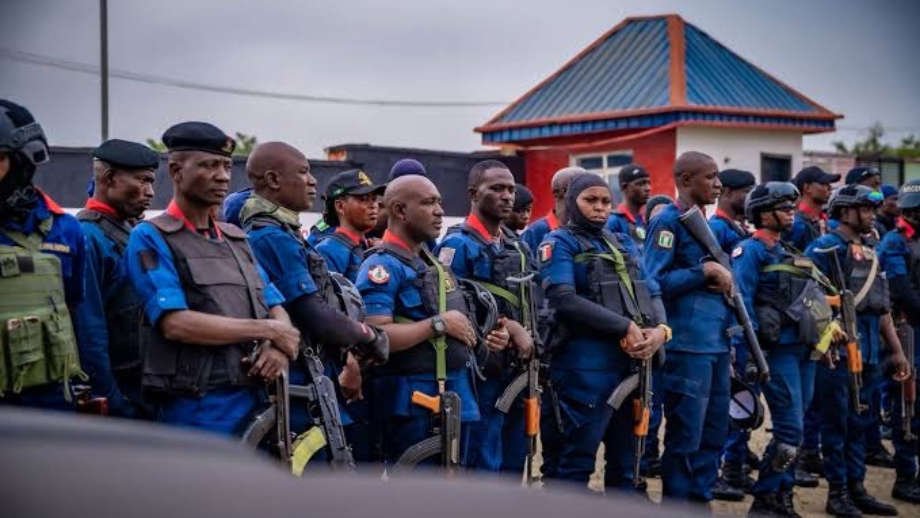








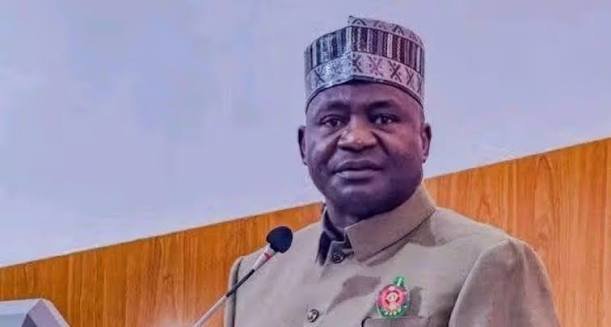
Nigeria’s Defence Minister, General Christopher Musa (retd.), has proposed that every Nigerian should undergo military training, saying the experience could help citizens understand the discipline, endurance and sacrifices involved in protecting the country.
Musa made the comments during an appearance on the African Leadership Podcast with Ken Giami. He argued that experiencing military training would expose citizens to the physical demands faced by soldiers, including hunger, exhaustion, long periods without sleep and difficult working conditions.
The proposal comes as Nigeria continues to face security challenges involving terrorism, banditry, kidnapping and attacks on communities, making the question of how much responsibility ordinary citizens should carry for national security increasingly relevant.
Musa’s Argument Is About Understanding Soldiers
Musa’s comments were framed primarily around public understanding of military service, rather than an announcement that Nigerians will immediately be required to join the Armed Forces.
The minister said military training could give citizens a different perspective on life and help them understand what soldiers experience while protecting the country. He described the physical strain of walking long distances while tired, hungry and sleep-deprived as part of the endurance soldiers develop.
He also expressed concern about members of the public insulting soldiers or questioning their role, arguing that civilians should better understand the sacrifices made by personnel who spend long periods away from their families.
Is Mandatory Military Training Now Government Policy?
No. That is an important distinction in the current mandatory military training Nigeria debate.
In February 2026, the Defence Ministry explicitly said the Federal Government had no plan to introduce mandatory military service or compulsory military training for Nigerian youths. The ministry said Nigeria’s defence structure remained based on a professional volunteer military supported by civic national service programmes such as the NYSC.
The February position also acknowledged that mandatory service could be discussed as a national policy issue, but said any future consideration would have to take account of constitutional provisions, institutional capacity and economic realities.
Musa’s latest remarks therefore reopen that conversation, but they do not by themselves create a new compulsory service programme.
Why the Proposal Is Coming Back Now
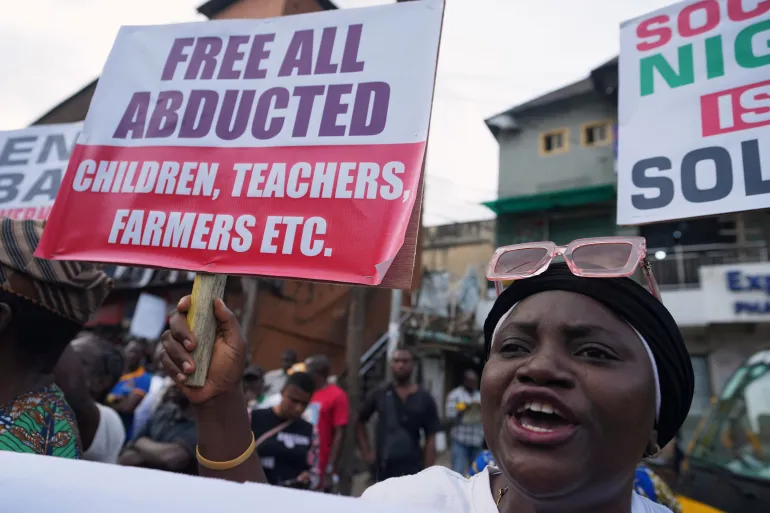
The timing is significant because Nigeria’s security environment remains difficult. Recent attacks, kidnappings and prolonged captivity of civilians have kept pressure on the government to strengthen the country’s security response. For example, nearly 700 people abducted in Niger State in August remained in captivity more than a month later, prompting protests from affected communities.
Against that background, military training for civilians could become part of a broader discussion about national resilience, emergency preparedness and civic responsibility.
However, questions about who would be trained, for how long, who would pay for it and whether the Armed Forces have the capacity to train the entire population would have to be answered before such a proposal could become policy.
For now, Musa’s comments have reopened the mandatory military service in Nigeria debate, while the government’s earlier position remains that compulsory military training is not currently policy.