









Nigeria’s relationship with South Africa is facing renewed pressure as the National Assembly suspends official legislative engagements with the country, while Nigerian traders in Lagos are protesting the growing presence of Chinese businesses in retail markets.
The two developments are separate, but they point to a wider concern around how Nigerians respond when foreign nationals are seen as competing with or putting pressure on local communities.
National Assembly Puts South Africa Visits on Hold
The National Assembly has suspended official visits to South Africa and ordered lawmakers, committees and officials to boycott legislative activities hosted by South African authorities until further notice.
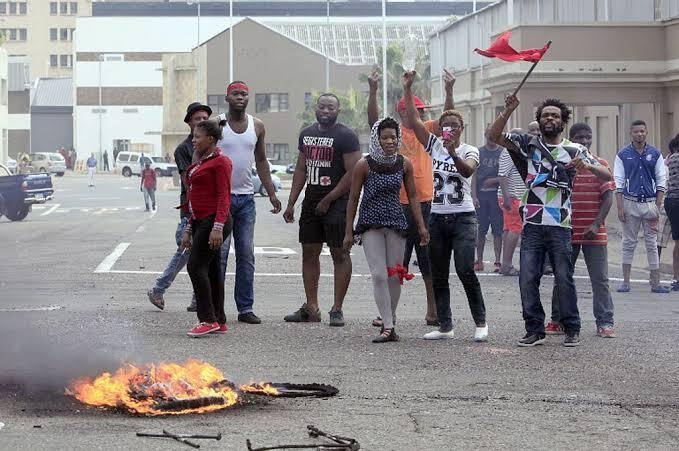
The decision follows continued reports of xenophobic attacks against Nigerians and other African nationals. Nigerian officials have said 98 Nigerians have died in mob, hate-related and other violent incidents in South Africa since 2022. The Federal Government has also been helping Nigerians return from the country amid the latest wave of violence.
The parliamentary action does not amount to a suspension of diplomatic relations between Nigeria and South Africa. The National Assembly said it still recognises the longstanding relationship between both countries, but wants stronger action to protect Nigerians living and doing business in South Africa.
This latest move adds another layer to a dispute that has already included evacuations, diplomatic complaints and calls for a broader African response to xenophobic violence.
Lagos Traders Raise a Different Foreign Business Concern
At the Lagos International Trade Fair Complex, Nigerian traders are facing a different issue: competition from Chinese merchants allegedly selling directly to consumers.
Traders accused some Chinese businesses of moving from wholesale operations into retail, saying their ability to import directly and sell at lower prices is making it harder for Nigerian retailers to compete. The protest was later brought under control after intervention from market leaders, local officials and the police.
The traders have stressed that their complaint is about business competition rather than Chinese nationals simply being present in Nigeria. However, some protest videos used hostile language toward Chinese merchants, prompting security authorities to intervene.
Why These Two Stories Matter
The parallel developments raise questions about how African countries balance foreign investment, local business interests and the protection of their citizens abroad.
Nigeria depends heavily on international trade and maintains major commercial relationships with countries such as South Africa and China. The challenge for policymakers is therefore not simply whether foreign businesses or investors should operate in Nigeria, but how competition, market rules and the treatment of citizens abroad are managed.
For now, the National Assembly’s South Africa boycott remains in place until further notice, while authorities in Lagos have moved to calm the Trade Fair dispute. Both situations will likely keep attention on how Nigeria protects local economic interests without allowing commercial or diplomatic tensions to escalate.