









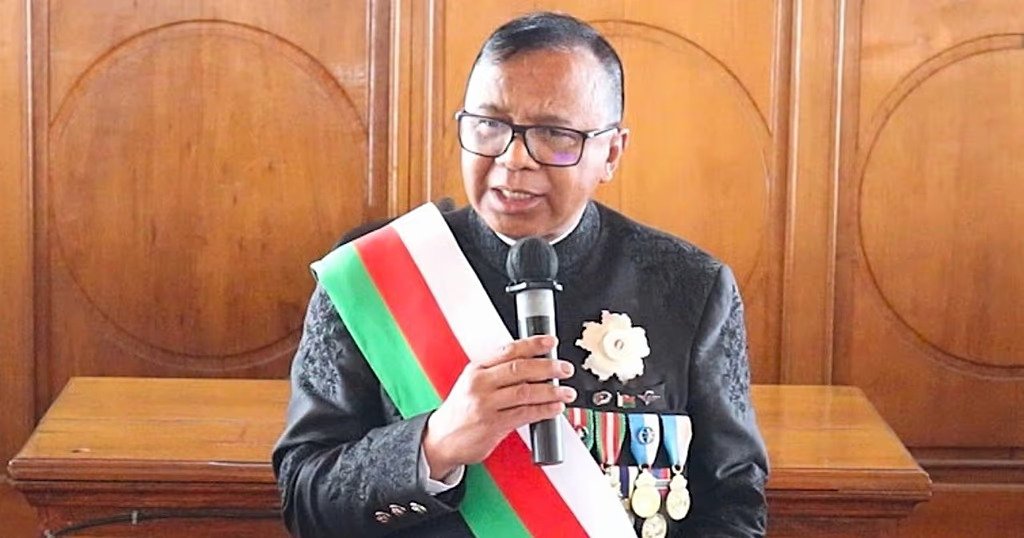
Madagascar’s former Senate president, Richard Ravalomanana, has been sentenced to 10 years of hard labour over his alleged role in the deadly crackdown on the country’s Gen Z protests in 2025.
A court in Antananarivo found the retired general guilty of complicity in murder. Prosecutors accused him of using his influence within the security forces to direct violent action against protesters during demonstrations that began over power cuts and water shortages.
The Madagascar Gen Z protests eventually grew into a wider challenge to former President Andry Rajoelina’s government. At least 22 people were killed and more than 100 injured during the unrest, according to figures from the United Nations cited by local and international reports.
Why the Case Matters
The sentence is significant because it puts a senior political and security figure at the centre of legal accountability for the Madagascar protest crackdown.
Ravalomanana was a close ally of Rajoelina and had previously served as a senior figure within the gendarmerie. He was removed as Madagascar’s former Senate president in October 2025, shortly after the protests, and was arrested two months later. He has spent about seven months in pre-trial detention.
The protests themselves had already produced a major political consequence. The unrest helped trigger the collapse of Rajoelina’s administration, with the former president eventually leaving the country and a military-backed administration taking power.
Ravalomanana Plans to Appeal
The conviction is unlikely to be the final chapter. Ravalomanana denied the allegations, while his defence team argued that prosecutors had not shown clear evidence that he directly ordered security forces to attack protesters.
A former national police chief who testified during the trial also supported his position, saying Ravalomanana was outside the operational chain of command. His lawyers have announced plans to appeal the 10 years hard labour sentence.
The appeal could therefore become an important test of how Madagascar handles accountability after a political crisis. For protesters and victims’ families, the case is about more than one former official. It raises the larger question of whether those accused of using state power against demonstrators will face consequences after a government falls.