
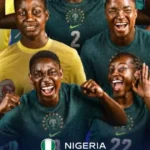
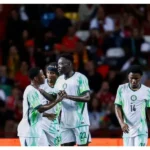
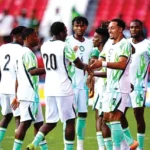





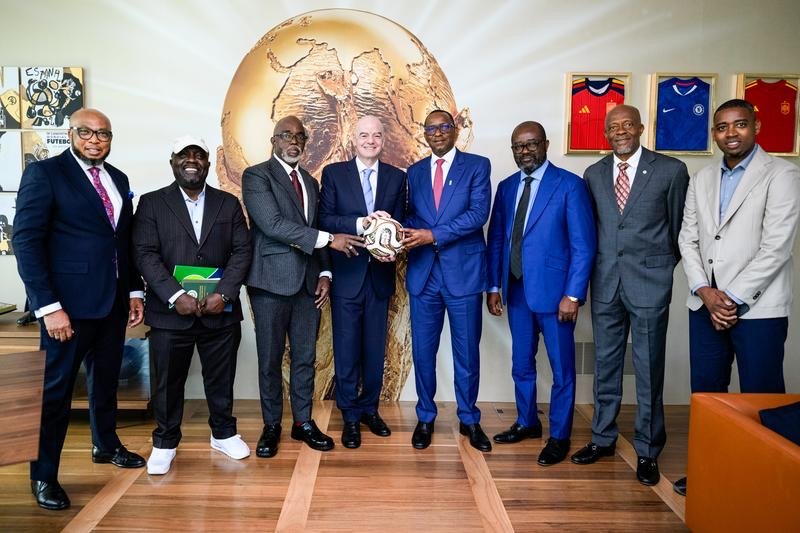
FIFA has backed Nigeria’s ongoing football reform process after meeting Nigerian sports officials and football stakeholders in Zurich. The talks come days after the Nigeria Football Federation (NFF) president Ibrahim Gusau, General Secretary Mohammed Sanusi and the federation’s executive committee resigned following growing criticism of Nigeria’s recent results.
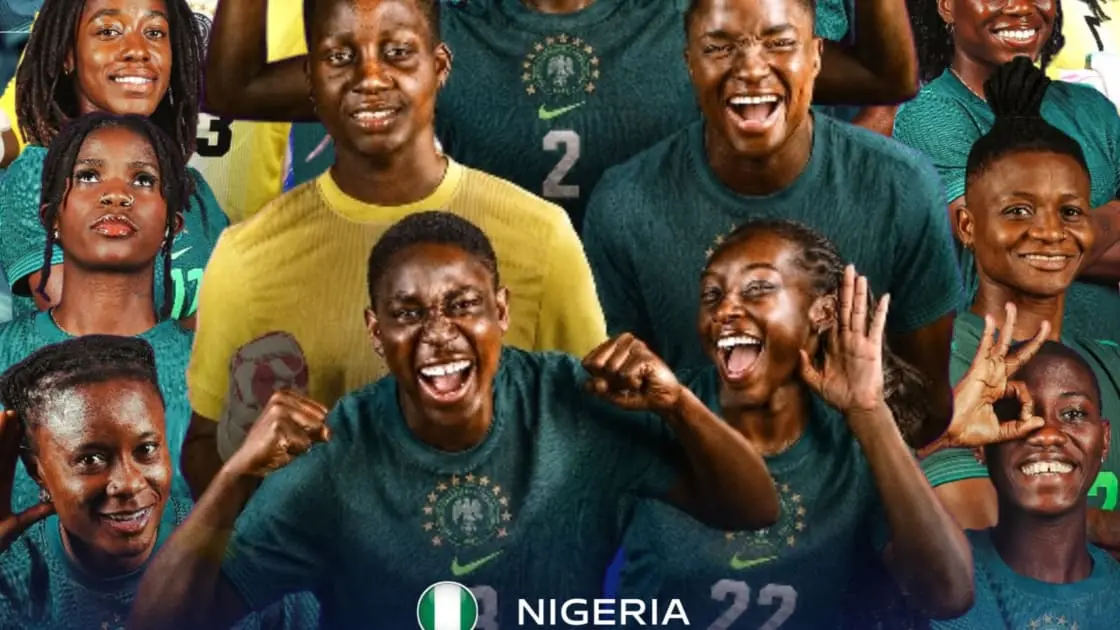
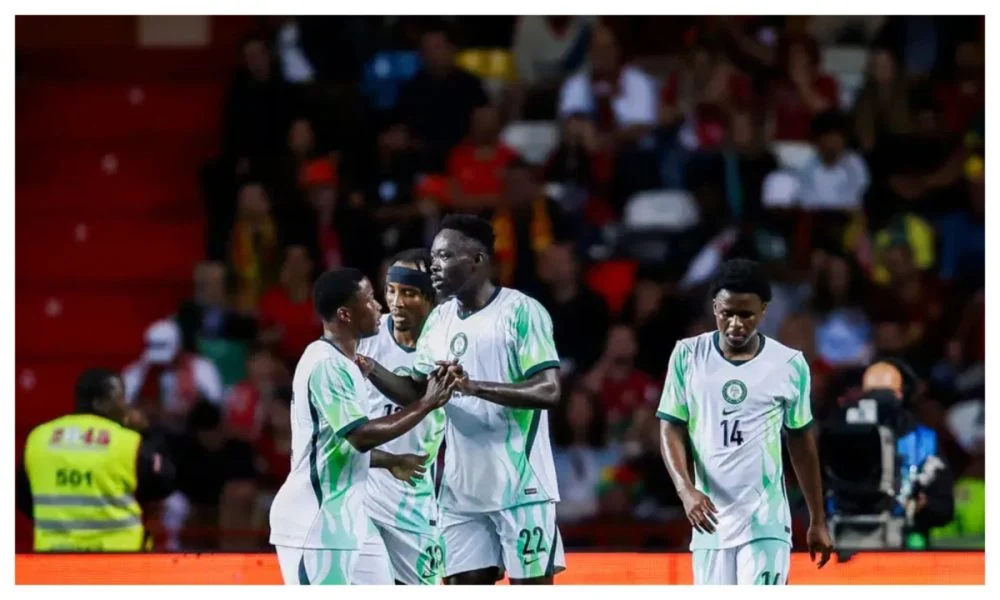
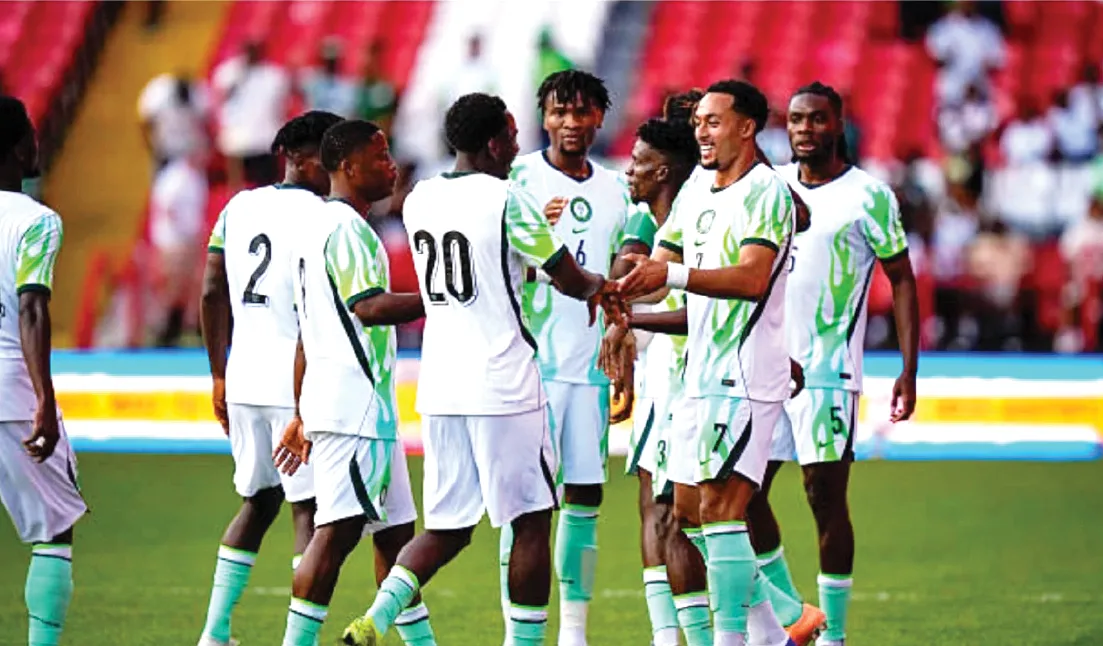
The crisis became more serious after the Super Eagles missed the 2026 World Cup and the Super Falcons failed to qualify for the 2027 Women’s World Cup, ending the women’s team’s record of appearing at every edition since 1991.
That makes the latest NFF reform more than a change of officials. It is an attempt to address questions about how Nigerian football is being managed.
Why FIFA’s Involvement Matters
The NFF has suspended the electoral process that was expected to lead to its September 27 elective congress. An interim administration is now running the federation’s affairs while Nigeria works with FIFA, CAF and other stakeholders on a new reform roadmap.
FIFA’s acceptance of the resignations and its decision to continue discussions with Nigeria are important because football governance changes can become complicated when government authorities become heavily involved.
The NFF has also denied a purported FIFA letter claiming that Nigeria could face sanctions over government interference, describing the document as fake.
What Nigerian Football Could Look Like Next
The immediate challenge is keeping football running while the reforms take shape. The interim leadership must maintain the NFF’s operations, while the government and football authorities work towards a new structure and eventually another election.
The bigger test, however, will be whether the reforms improve results on the pitch. Better administration should eventually mean stronger planning for the national teams, improved domestic competitions and clearer development pathways for young players.
FIFA President Gianni Infantino has expressed support for stronger structures and greater opportunities for young Nigerian players. For Nigeria, therefore, this is not simply about replacing the people who left. FIFA Nigeria football reform now gives the country an opportunity to rebuild the system behind its national teams before another generation of players pays the price for administrative problems.