








The latest US-Iran confrontation over the Strait of Hormuz is becoming a battle not only over a strategic waterway, but over who gets to define what “control” actually means.
President Donald Trump says the United States has “total control” of the Strait, declaring that the American naval presence is a “wall of steel” and suggesting Washington intends to keep that control. Iran strongly disputes the claim, insisting the waterway remains blocked until the US meets its conditions.
But shipping data offers a reality that is harder to fit neatly into either narrative. Only eight vessels crossed the Strait on Tuesday, compared with roughly 130 to 140 vessels a day before the war. Other tracking data has also placed recent traffic at extremely low levels.
That raises an important question: If the US has total control, why are commercial ships still avoiding the route?
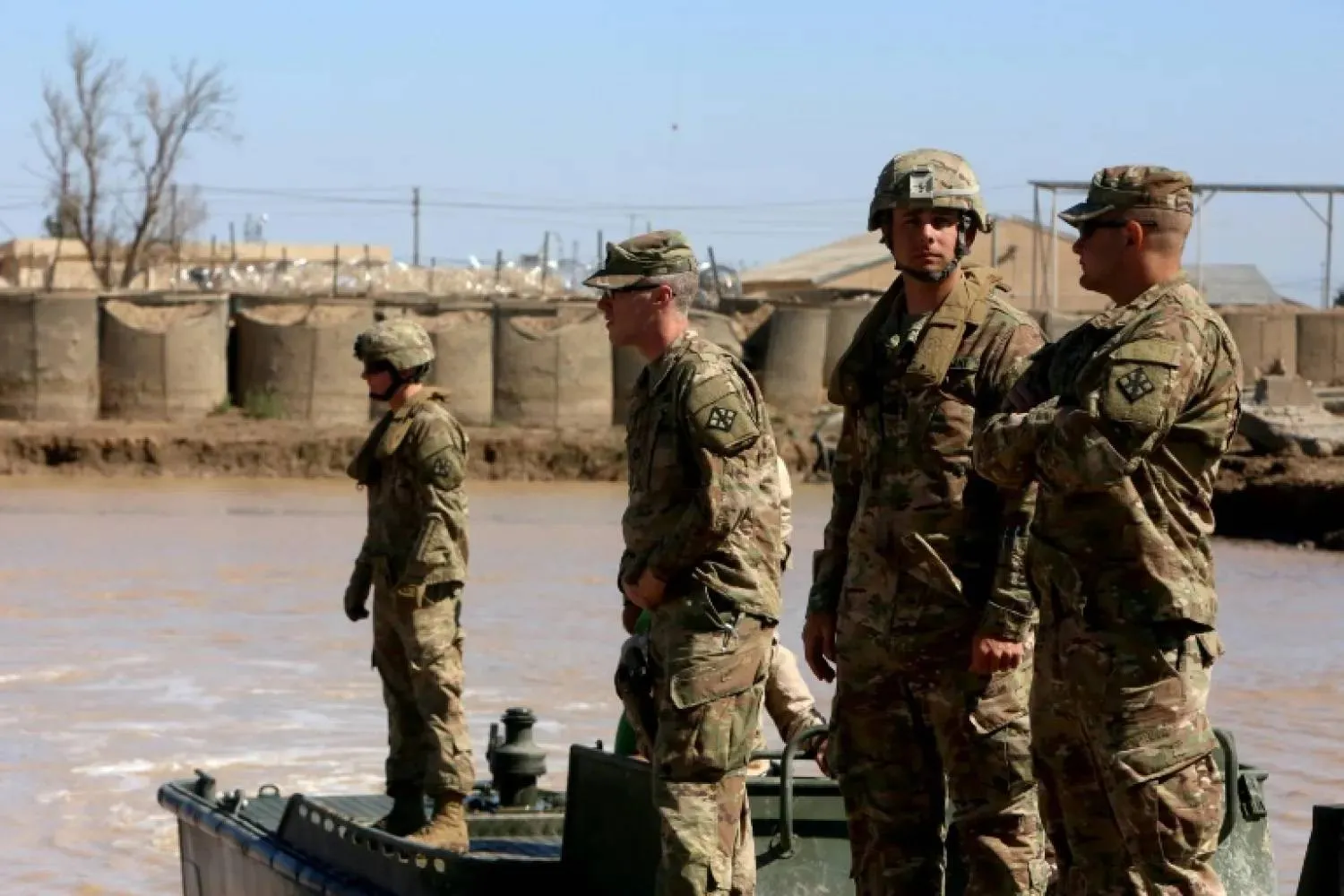
Washington can argue that its military has the capability to escort or intercept vessels and prevent Iran from completely shutting the waterway. Indeed, US Central Command says it has redirected dozens of commercial vessels while enforcing its blockade of Iranian-related shipping.
But military control and commercial freedom of navigation are not necessarily the same thing. A shipping company doesn’t need to believe Iran physically controls every meter of the Strait to decide that sending a $100 million tanker through a potential war zone is too risky. Insurance costs, missile threats, uncertainty and the possibility of being intercepted can be enough to keep vessels away.
That is where Iran’s strategy may be working even without conventional naval dominance. Iranian Foreign Minister Abbas Araghchi has accused Washington of making “miscalculations” because of intelligence failures, warning that the Strait could represent an even bigger miscalculation.
Meanwhile, Tehran says it will not reopen the waterway until Washington changes its behavior and meets demands including ending the war and unfreezing Iranian assets. So the real test of Trump’s claim won’t be another statement from Washington or Tehran. It will be the ships.
If commercial traffic returns towards pre-war levels, Washington can point to that as evidence that it restored effective control. If vessels continue avoiding Hormuz despite the American military presence, Iran can argue that its ability to disrupt the world’s most important energy chokepoint remains intact. And that could keep oil markets, insurers and governments nervous for much longer.