







The trial over what authorities describe as Nigeria’s largest clandestine methamphetamine laboratory took a dramatic turn on Wednesday as the Federal High Court physically inspected the sprawling facility hidden inside a remote forest in Mowe, Ijebu East Local Government Area of Ogun State.
The visit came as the National Drug Law Enforcement Agency (NDLEA) intensified efforts to secure court approval to destroy the alleged ₦480 billion drug production site.
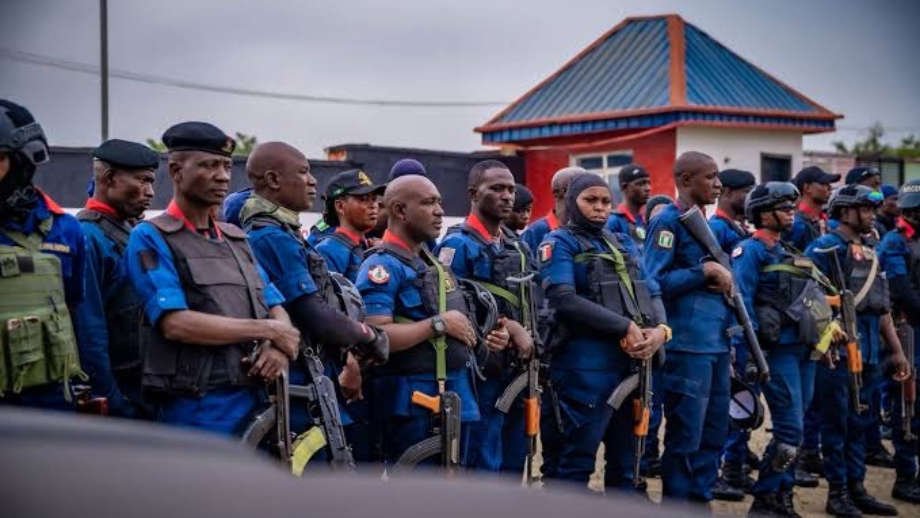
Justice Musa Kakaki led the court, prosecutors, defence lawyers and the 10 defendants, including alleged Nigerian drug kingpin Anochili Innocent Nwankwo and three Mexican nationals, on a locus in quo (crime scene inspection).
During the visit, NDLEA clandestine laboratory expert Ajilema Anebi identified industrial equipment, precursor chemicals and installations allegedly used to manufacture methamphetamine destined for both local and international markets. Investigators said the facility contained equipment and chemicals linked to the production of 2,419.48 kilograms of methamphetamine, with an estimated street value exceeding ₦480 billion.
A key development during the inspection was a legal disagreement over evidence. Prosecutors attempted to tender some of the recovered chemicals as exhibits, but defense counsel Benson Ndakara objected, arguing that the prosecution had demonstrated only the alleged manufacturing process and not the finished methamphetamine itself.
Justice Kakaki directed that arguments over the admissibility of the exhibits would instead be heard in court. The matter has been adjourned until July 24, when the court will also rule on the NDLEA’s application to demolish the laboratory and consider pending bail applications.
Beyond the criminal trial, the case has highlighted what the NDLEA describes as a growing shift in international drug trafficking tactics. According to the agency, foreign cartels are increasingly relocating meth production from urban centers to remote forests in Nigeria’s South-West to evade detection.
NDLEA spokesman Femi Babafemi said dismantling the Ogun facility before production expanded was a major breakthrough in preventing Nigeria from becoming a regional methamphetamine manufacturing hub.
The outcome of Friday’s ruling is expected to determine whether the agency can immediately destroy the sprawling laboratory or preserve it as evidence while the trial continues. Whatever the decision, the case is already being viewed as one of the most significant anti-narcotics prosecutions in Nigeria’s history because of its alleged international links and the scale of the operation.

One thought on “Court Inspects Nigeria’s Largest Meth Lab as NDLEA Pushes to Demolish ₦480bn Facility”