








Tensions in the Middle East have escalated sharply after the United States launched a fresh wave of military strikes against Iranian targets, prompting Tehran to declare the strategic Strait of Hormuz closed until further notice.
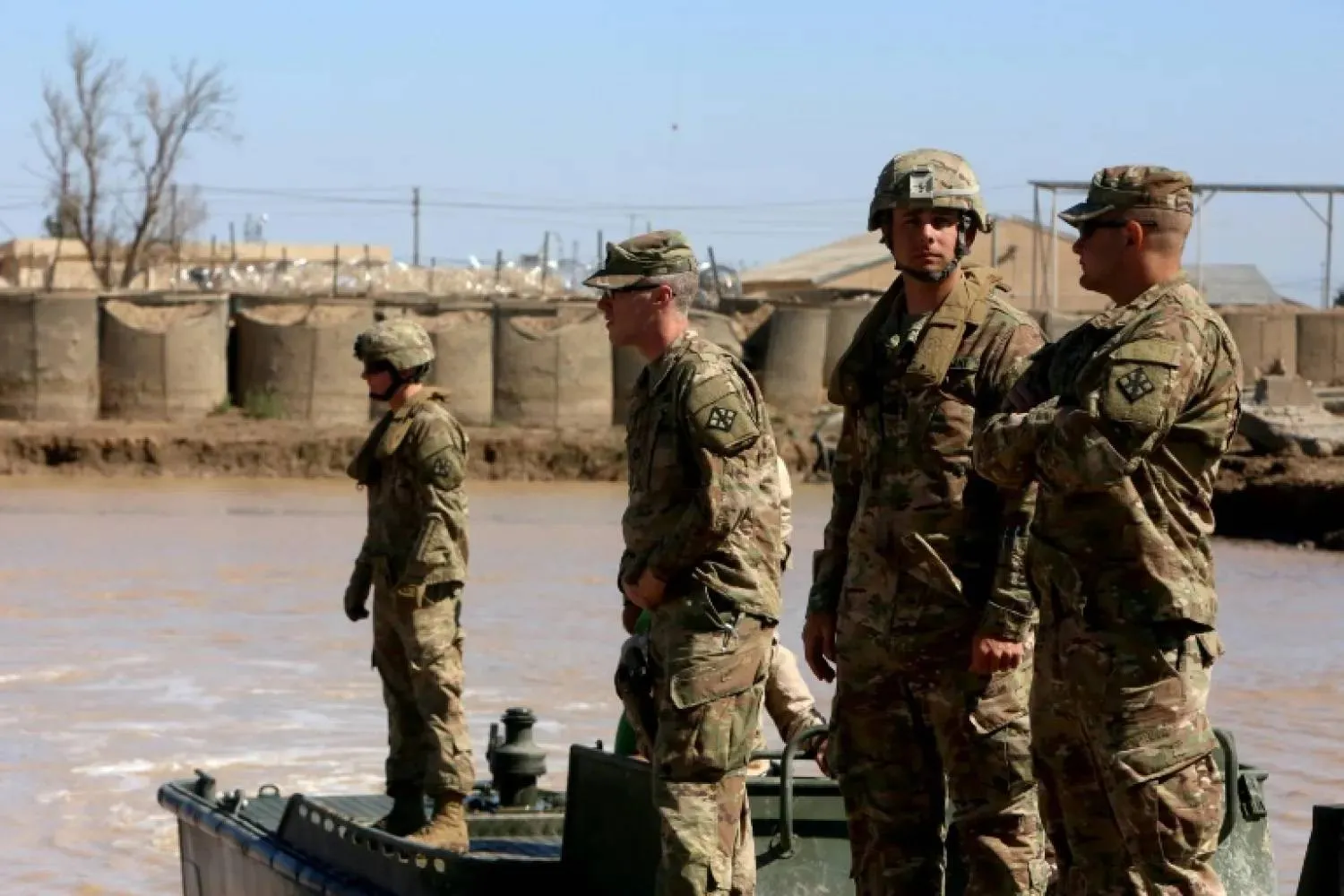
According to U.S. Central Command, the strikes targeted Iranian air defence systems, missile sites, radar installations and naval assets following attacks on commercial shipping in the Strait of Hormuz. Washington said the operation was intended to protect freedom of navigation through one of the world’s busiest energy corridors.
In response, Iran’s Islamic Revolutionary Guard Corps (IRGC) announced the closure of the Strait of Hormuz, warning that no vessels would be permitted to pass until what it described as U.S. “aggression” ends.
Tehran also launched missile and drone attacks against U.S. military facilities and regional partners, further raising fears of a wider regional conflict. However, the United States has rejected Iran’s claim that it has full control of the waterway and insists commercial navigation will continue under military protection.
The renewed fighting has intensified concerns over global energy supplies, as roughly one-fifth of the world’s oil trade passes through the Strait of Hormuz. Oil markets remain volatile amid fears that prolonged disruption could send crude prices significantly higher and place additional pressure on inflation worldwide.