


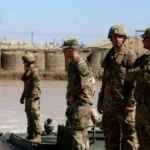
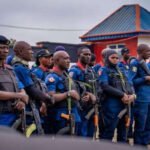



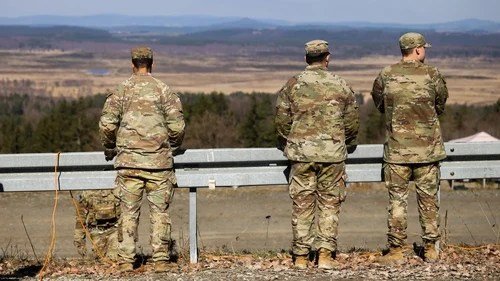
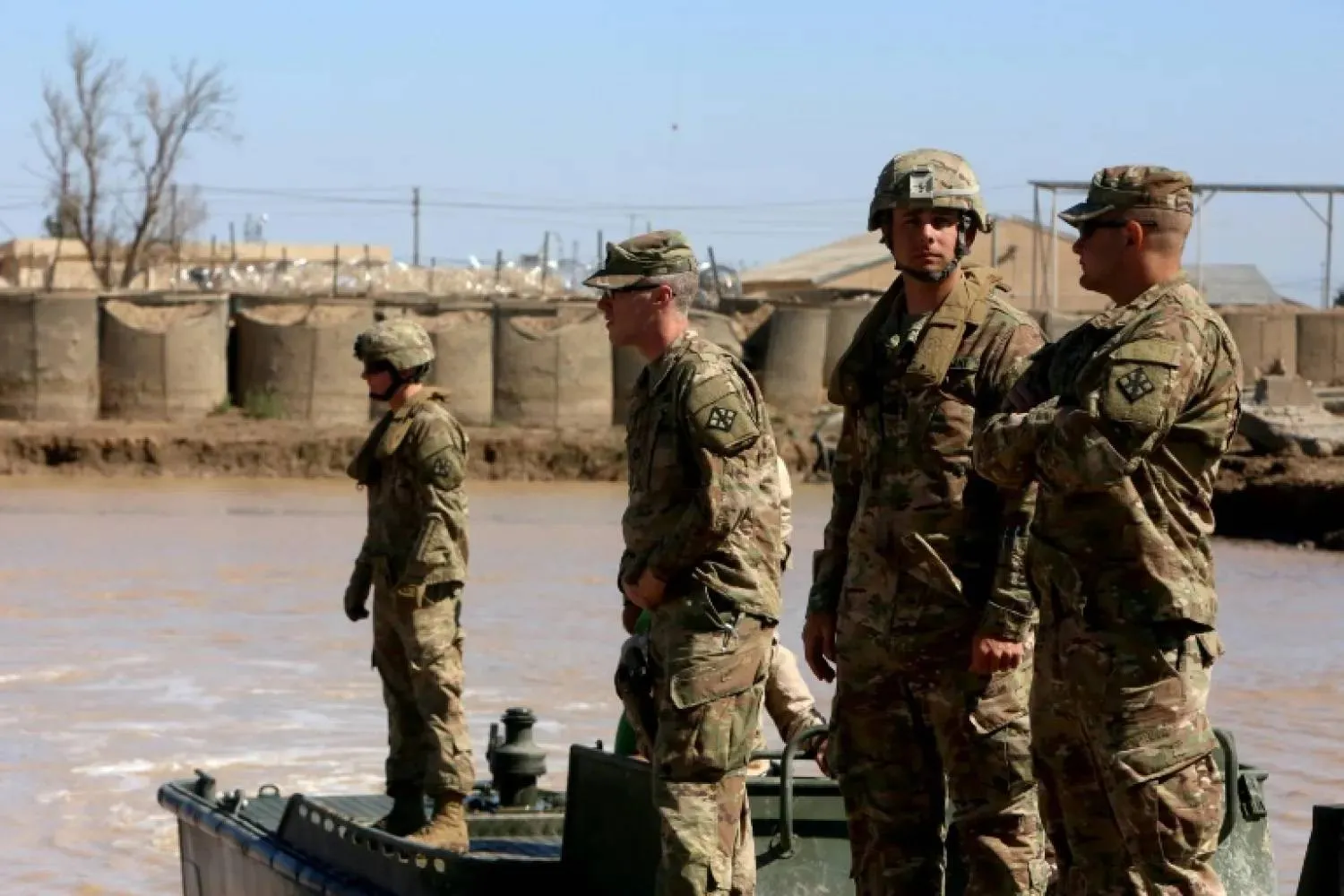
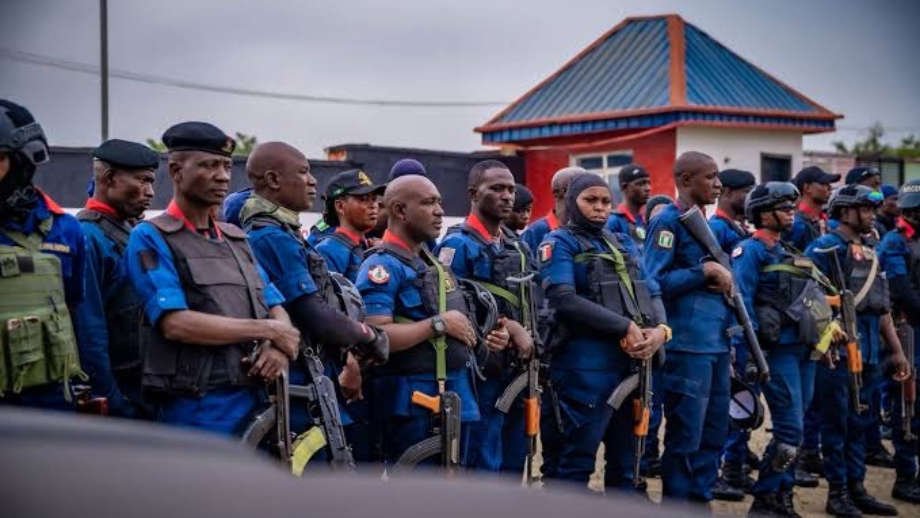
The United States has withdrawn most of its military personnel from Nigeria following the successful completion of a joint counterterrorism mission that dealt a major blow to ISIS-linked fighters operating in the Lake Chad Basin.
The temporary deployment, which began in February, involved about 200 U.S. personnel working alongside Nigerian security forces. Their role focused on intelligence, surveillance and reconnaissance, providing operational support for Nigerian-led missions rather than engaging in direct ground combat.
The operation reached a significant milestone in May with the killing of Abu-Bilal al-Minuki, a senior ISIS commander, during a coordinated operation in Borno State. U.S. officials said the mission disrupted extremist networks not only in the Lake Chad region but also weakened the wider global ISIS network.
Speaking on the troop withdrawal, U.S. Air Force General James Hecker Anderson said the specific mission requiring the deployment had been completed, prompting the return of most American personnel. However, he stressed that Washington remains committed to supporting Nigeria through intelligence sharing, security cooperation and other forms of military assistance whenever requested by the Nigerian government.
The withdrawal has been viewed as a sign of Nigeria’s growing capacity to lead complex counterterrorism operations with international support rather than foreign combat forces. Security analysts, however, warn that extremist groups remain active across the wider Sahel region, making continued regional cooperation essential despite the recent success.
Nigerian media have largely described the operation as a successful mission, with many praising the collaboration between both countries. At the same time, some security experts have urged the Federal Government to use the momentum to strengthen local intelligence, surveillance capabilities and military readiness to address evolving threats across the North-East and the broader Lake Chad Basin.
One thought on “U.S. Withdraws Most Troops from Nigeria After Successful Anti-ISIS Mission”