









By Oluwatimilehin Fajemisin
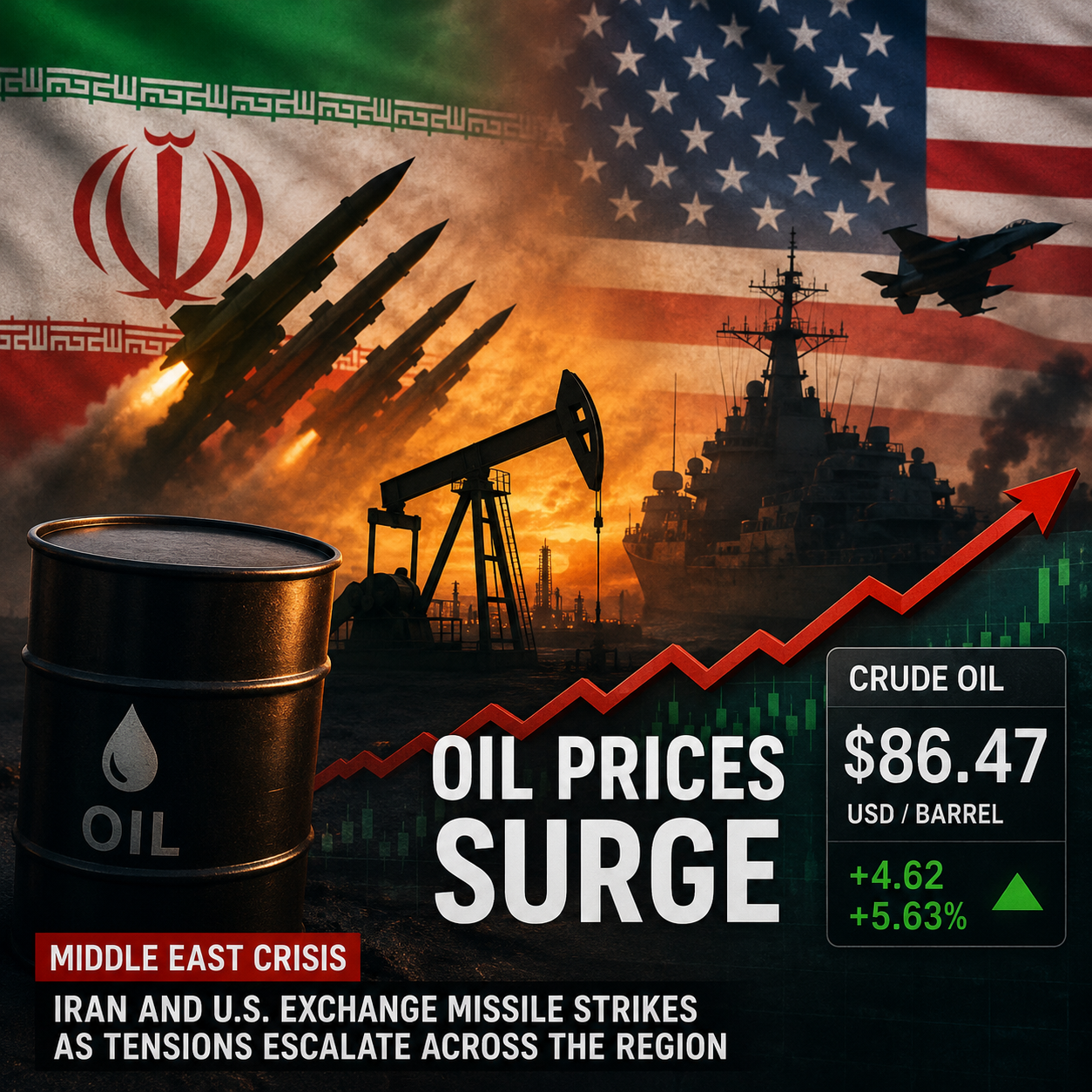
Global oil markets and geopolitical tensions spiked sharply on Wednesday as the United States and Iran engaged in a new wave of retaliatory strikes across the Middle East, raising fears of a wider regional conflict and disrupting already fragile diplomatic efforts.
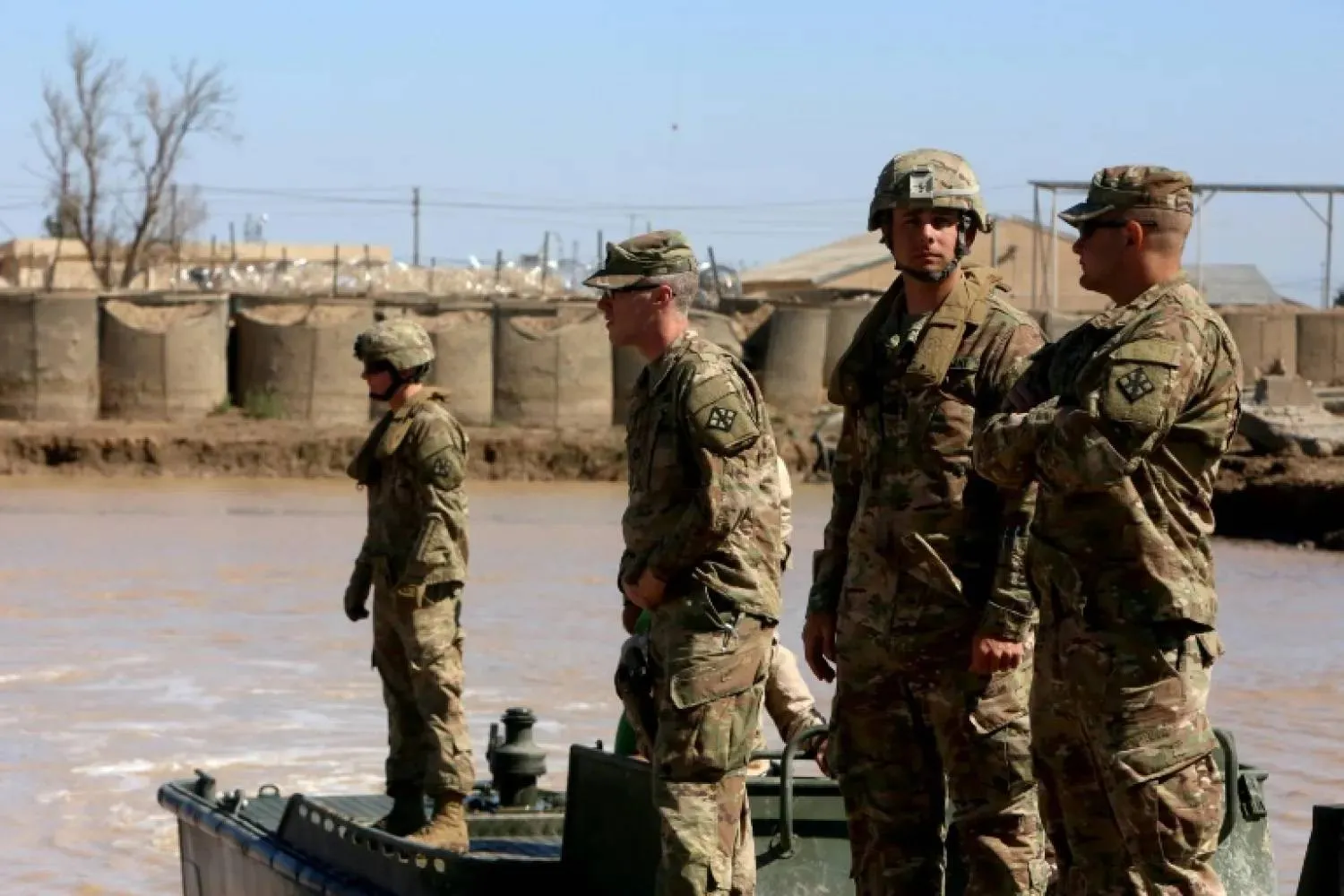
According to multiple international reports, Iran’s Islamic Revolutionary Guard Corps (IRGC) launched missile and drone attacks targeting U.S. military installations in Jordan, Kuwait, and Bahrain following American strikes on Iranian military infrastructure near the Strait of Hormuz. The attacks reportedly triggered air defense responses across several Gulf states, with some missiles intercepted before reaching their targets.
Jordanian military officials confirmed that several missiles aimed at the Al-Azraq air base were successfully shot down, while Kuwait and Bahrain also reported interception of incoming aerial threats. U.S. officials said there were no immediate reports of major casualties or significant damage, although assessments are still ongoing.
The escalation comes after a series of tit-for-tat military actions that started after a US Apache helicopter incident near the Strait of Hormuz, which Washington attributed to Iranian activity. In response to this, the U.S. carried out strikes on Iranian air defense systems and surveillance infrastructure.
Financial markets have reacted quickly to these developments, with oil prices climbing fast amidst the fears that prolonged instability could disrupt the supply routes through the Strait of Hormuz, a critical global energy corridor. Major Gulf stock indexes also slipped as investors weighed the risk of prolonged conflict.
As tensions remain high, analysts say the coming days will be important in determining whether the situation de-escalates or expands into a broader regional confrontation.