









Nigeria’s new Electoral Act has created a major change in how allegations of certificate forgery can be used against political candidates, raising questions about whether the law protects the integrity of elections or simply moves the battle to an earlier stage.
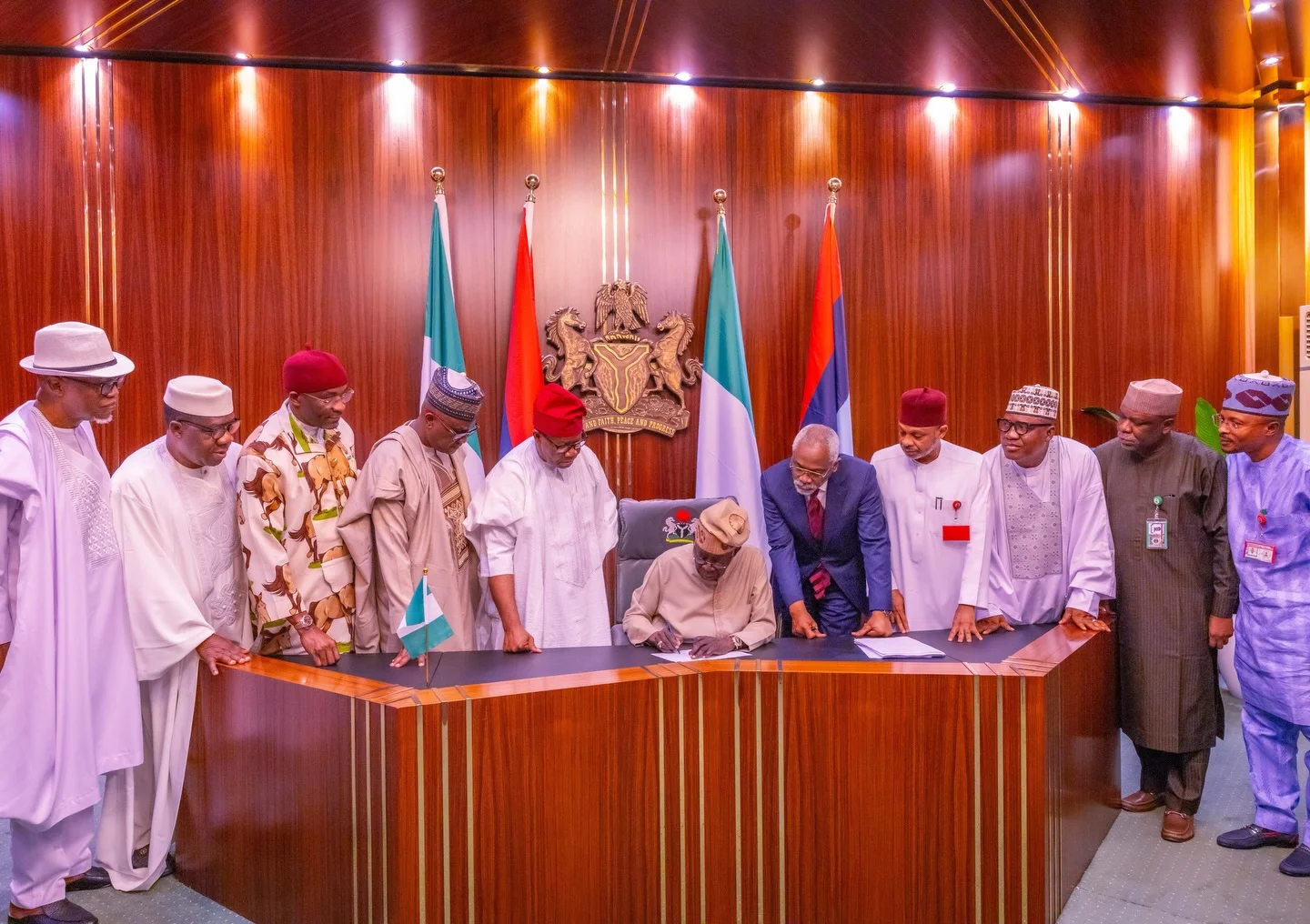
The 2026 Electoral Act replaced the 2022 law and no longer lists a candidate’s lack of qualification as a ground for challenging an election after voting has taken place. Under Section 138, an election can now be challenged mainly on grounds including corrupt practices, non-compliance with the Act, or the fact that the winner did not secure a majority of lawful votes.
That is a significant change because the previous Electoral Act allowed an election petition where the person whose election was being challenged was not qualified to contest.
So, Can Politicians Still Be Disqualified for Forgery?
Yes, and this is where the issue becomes more complicated. The Constitution still says that a person who presents a forged certificate to INEC is not qualified for election to certain offices. The new Electoral Act does not erase that constitutional provision.
What has changed is when the issue can be raised. The emerging interpretation is that certificate forgery should now be dealt with before the election rather than being introduced as a fresh qualification challenge after a candidate has won. That distinction could become extremely important in 2027.
The Problem Is Timing
Imagine a candidate wins an election and an opponent later discovers evidence that the candidate submitted a forged certificate. Under the old framework, qualification could form part of an election petition. Under the new Act, that route is no longer clearly available through the grounds listed in Section 138.
Critics argue that this could create an unfair situation where voters elect someone before questions about their credentials are properly resolved. Supporters of the change can make the opposite argument: why should voters wait until after an election to discover whether a candidate was qualified?
If a candidate’s credentials are going to determine whether they can hold office, surely those credentials should be checked before Nigerians vote.
The New System Puts More Pressure on INEC
This is perhaps the most important consequence of the change. If Nigeria wants qualification disputes settled before election day, the system must make it easy for citizens and political opponents to examine candidates’ credentials early enough to challenge them.
That means INEC’s handling of candidate information becomes even more important. There have already been calls for forensic checks of candidates’ academic certificates, birth records and other documents well before the 2027 election.
And there is already a real test of the issue. Former Vice President Atiku Abubakar has filed a case challenging President Bola Tinubu’s eligibility over an alleged NYSC certificate, relying partly on constitutional provisions concerning forged certificates. The allegations remain for the courts to determine.
Why Nigerians Should Pay Attention
The controversy is bigger than certificate forgery. It is about whether Nigeria’s electoral system catches problems before millions of people vote or waits until after the winner has been declared.
If the new system works properly, questionable credentials should be exposed early, challenged in court and resolved before ballot papers are printed. If it does not, the country could enter another election where voters only discover serious questions about a candidate’s qualification after the person has already won.