









The Nigerian naira has come under renewed pressure after the United States dollar strengthened sharply following a more hawkish policy signal from the US Federal Reserve, pushing the local currency into one of its weakest 12-month periods.
The dollar rally was triggered by growing expectations that the Federal Reserve could maintain higher interest rates for longer as officials focus on controlling inflation. Although the Fed kept rates unchanged, its updated outlook showed a tougher stance, increasing demand for dollar assets globally.
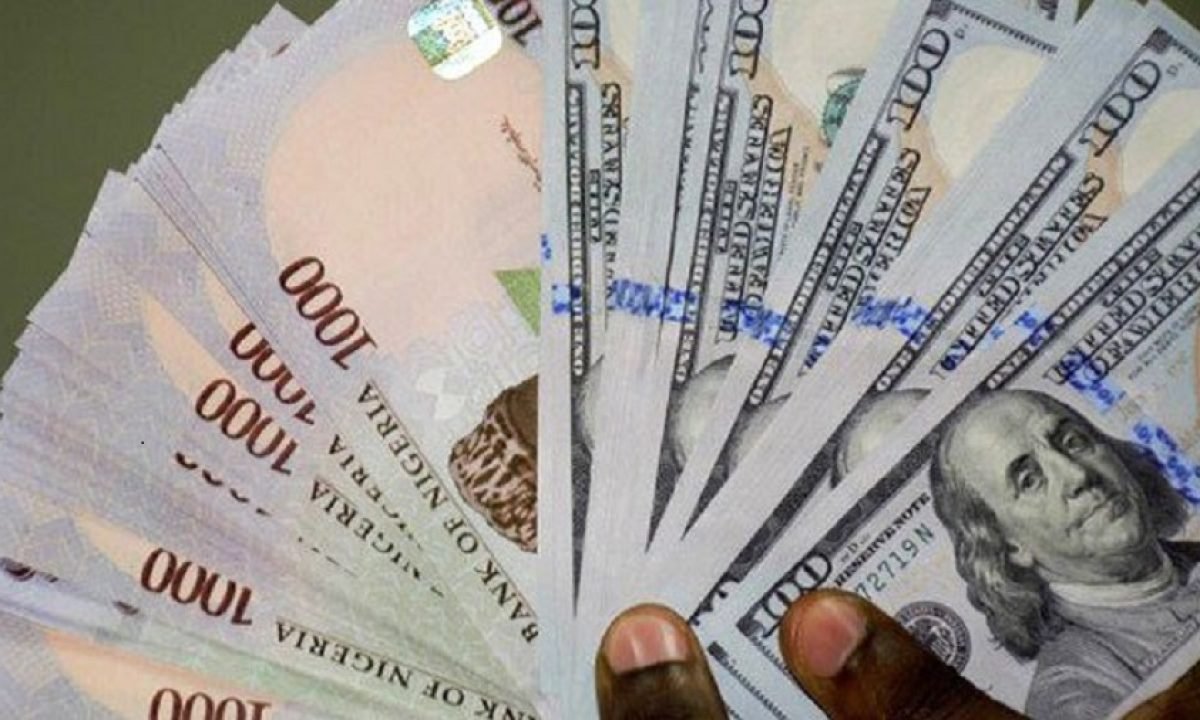
The impact was felt in Nigeria’s foreign exchange market, where the naira weakened after a brief period of improvement. The currency reportedly depreciated at the official market, closing around ₦1,363 per dollar, reversing recent gains and renewing concerns over exchange-rate stability.
Analysts say the pressure is not only driven by domestic factors but also by global currency movements. As investors move funds toward the US dollar because of higher expected returns, emerging-market currencies like the naira often face increased pressure.
The latest decline comes despite improvements in Nigeria’s foreign exchange reserves and recent reforms by the Central Bank of Nigeria aimed at improving liquidity and stabilising the market. Earlier gains in the naira had raised hopes that the currency crisis was easing, but the stronger dollar has created new challenges.
Businesses and consumers remain concerned about the impact of currency weakness on imports, fuel costs, inflation, and the prices of everyday goods. A weaker naira increases the cost of imported products, adding pressure to households already dealing with high living expenses.
Economists say Nigeria’s response will depend on maintaining foreign exchange supply, improving investor confidence, and managing inflation risks. They warn that global monetary decisions, especially from the US Federal Reserve, will continue to influence the naira’s performance in the coming months.