









The release of businessman Chief Joseph Ebere Ezeokafor, father of socialite Jowizaza, after 11 days in kidnappers’ custody is a relief for his family. But beyond the celebrations, the case has exposed a growing security problem for wealthy Nigerians: how much information about a person’s wealth is now available to criminals before they even make their move?
Ezeokafor, chairman of Jezco Group, was abducted on August 4 in Awka, Anambra State, while reportedly heading to a prayer ground with a Reverend Sister. Reports later said the kidnappers initially demanded ₦700 million before raising the figure to ₦1.5 billion. The exact circumstances of his release and whether any ransom was paid have not been made public.
What makes the case particularly interesting is what happened around the ransom negotiations. During the ordeal, Ezeokafor’s daughter, Blessing, publicly accused her brother Jowizaza of creating an exaggerated impression of the family’s wealth through his social media lifestyle. She argued that the public image of extreme wealth may have influenced the kidnappers’ expectations. Those claims are allegations from a family member and have not been independently established.
Still, the wider issue is worth examining. For years, displaying wealth online was largely seen as a lifestyle choice. Luxury cars, expensive watches, private jets and high-end holidays could build a personal brand and attract business opportunities. But in a country where kidnapping remains a serious threat, the same content can also become a source of intelligence.
Criminals do not necessarily need sophisticated surveillance to identify potential targets. Social media can show where someone spends time, the businesses they own, the people around them, the cars they use and the kind of lifestyle they appear to afford.
The Ezeokafor case may therefore prompt wealthy Nigerians and their families to rethink what they publicly reveal. The question is no longer simply whether someone can afford to show their wealth. It is whether showing it tells strangers too much about what they might be worth.
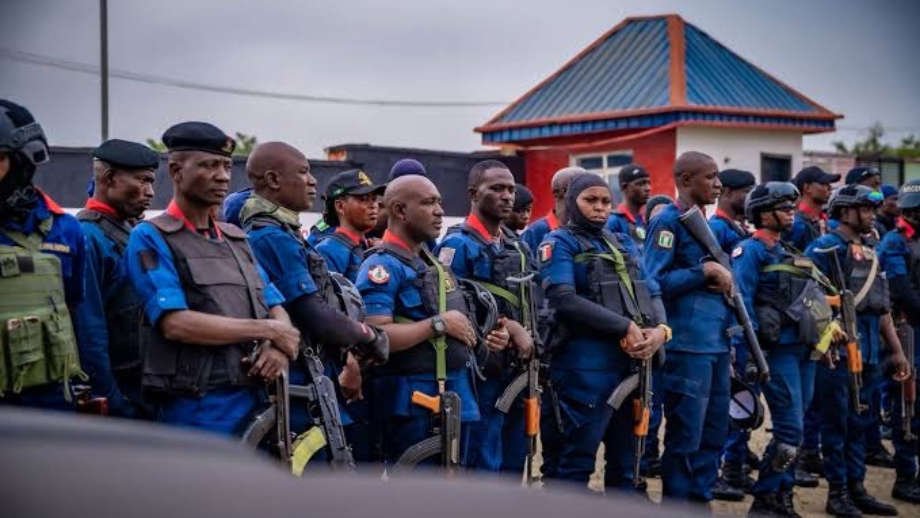
The next major development will be whether security agencies can identify those behind the abduction and establish how they obtained information about their target. The successful return of the victims is good news, but lasting progress will require arrests and disruption of the network behind the kidnapping, not just another ransom story followed by another abduction.