US President Donald Trump has announced an immediate energy ceasefire between Russia and Ukraine, claiming both countries agreed to stop attacking each other’s energy infrastructure. However, Ukrainian President Volodymyr Zelenskyy said the announcement was new to him, raising doubts about whether the two sides had reached a confirmed agreement.
The announcement on Sunday, October 11, 2026, came as attacks on energy facilities continued to threaten power supplies, fuel production and preparations for winter. By Monday, Ukraine was accusing Russia of violating the proposed truce.
Zelenskyy Wants A Mutual Agreement
Trump said the Russia-Ukraine energy ceasefire was effective immediately. But Zelenskyy told Axios that he had not been informed of a confirmed agreement and that Ukraine would accept the arrangement if Russia agreed to it.
Zelenskyy has said Ukraine is prepared to stop attacking Russian oil refineries if Moscow stops targeting Ukrainian energy infrastructure. Kyiv wants the arrangement to apply to both sides, including attacks on electricity, heating and other essential energy facilities.
The difference matters because an announcement from Washington does not automatically mean that Moscow and Kyiv have agreed on the terms or how compliance will be checked. Russia had not publicly confirmed the agreement when Trump announced it, while the Kremlin later said discussions were ongoing.
Russian Strikes Raise Questions About The Truce
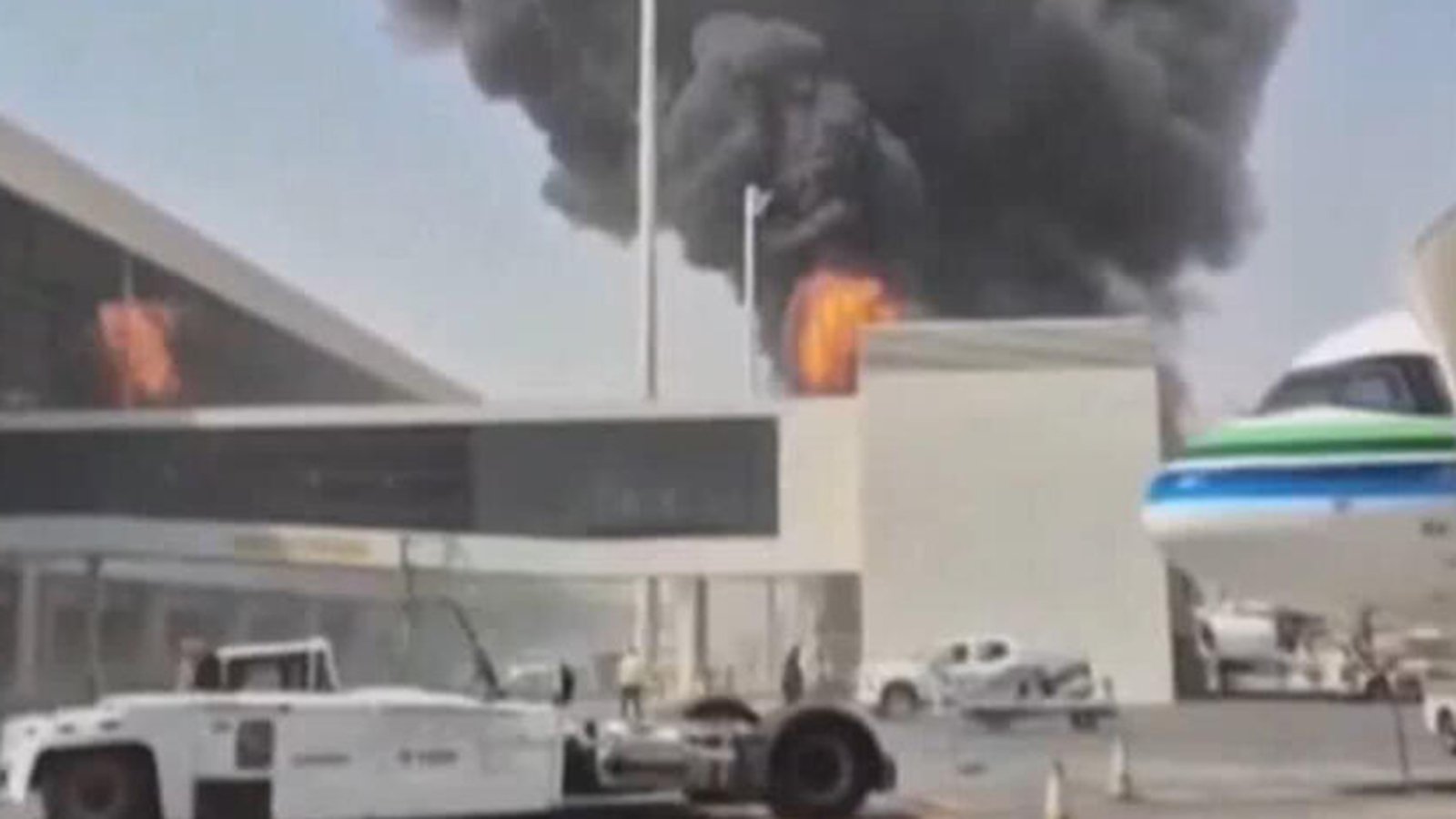
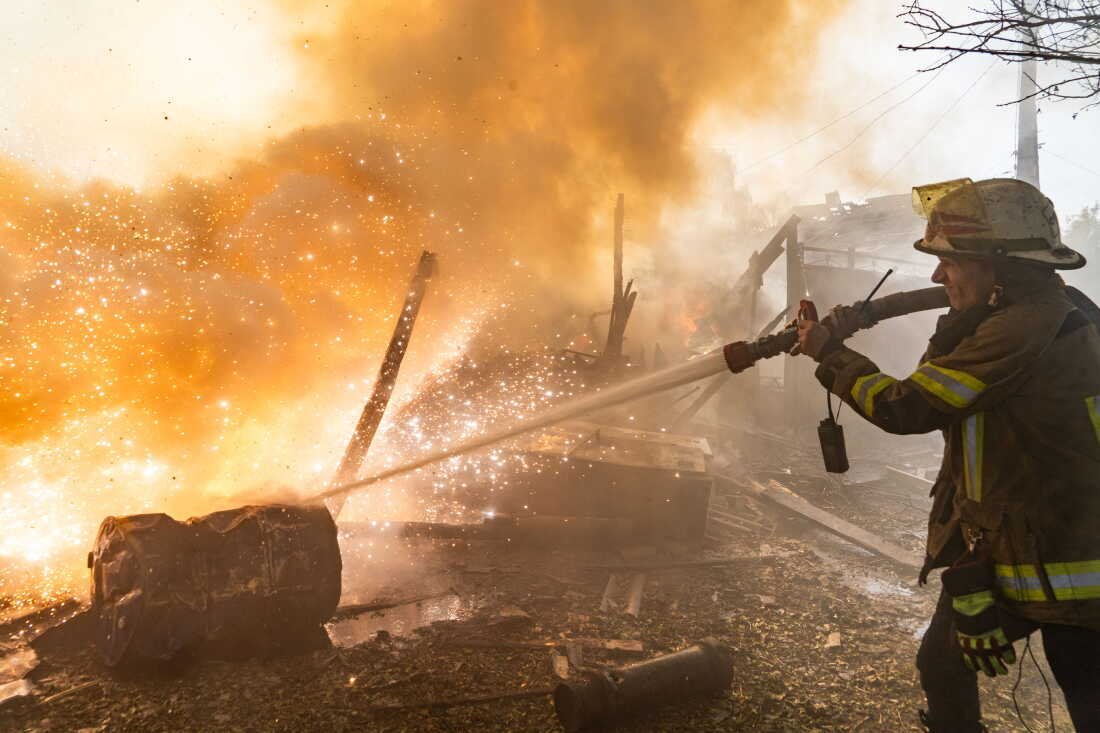
On Monday, Zelenskyy accused Russia of continuing attacks on Ukrainian energy facilities, including a gas production site. Ukrainian officials also reported strikes affecting civilian areas.
The accusations came just hours after Trump’s announcement, putting the proposed ceasefire under pressure before its terms had been clearly established. Ukraine said it had refrained from attacking Russian refineries overnight but warned that it could resume strikes if Russia continued targeting its energy system.
The situation highlights a major weakness in the proposed arrangement: without clear terms, confirmation from both governments and a way to monitor compliance, it may be difficult to determine whether either side is following the truce.
Why Energy Infrastructure Matters
Both countries have used attacks on energy infrastructure as part of the wider war. Oil refineries, gas facilities and power stations are important not only to military operations but also to civilian life and the wider economy.
Ukraine faces the risk of power and heating disruptions as winter approaches. Russia, meanwhile, has faced Ukrainian attacks on oil refineries and fuel facilities. A genuine agreement could reduce damage to infrastructure and help limit further disruption to energy markets.
What Happens Next?
The immediate test is whether Russia and Ukraine can turn Trump’s announcement into a clear, reciprocal agreement. That would require both sides to confirm the terms and demonstrate that attacks on energy facilities have stopped.
For now, the proposed Russia-Ukraine energy ceasefire remains uncertain. Zelenskyy has expressed willingness to participate, but the continued reports of Russian strikes show why a public announcement alone is not enough to guarantee a halt in fighting.
If the two sides reach and observe a workable agreement, it could be a limited step towards reducing damage during the war. If attacks continue, the announcement risks becoming another diplomatic promise without a lasting effect on the conflict.