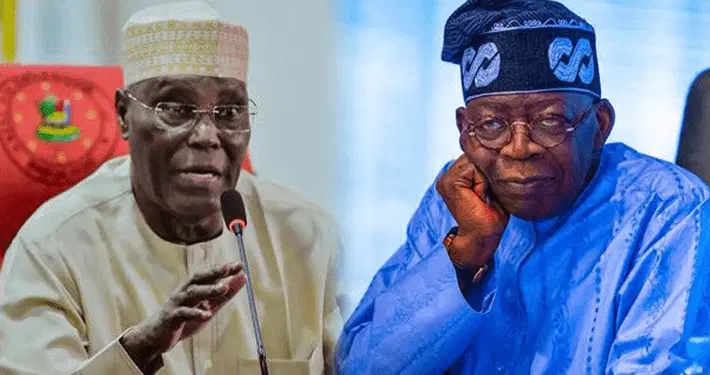
Former Vice President Atiku Abubakar and President Bola Tinubu’s camp are trading criticism over how Nigeria should reduce petrol prices, turning fuel relief into another major political dispute ahead of the 2027 general elections.
The latest exchange followed the Federal Government’s announcement of a 30-day petrol discount at Nigerian National Petroleum Company Limited (NNPC) stations. Atiku criticised the measure as temporary relief that would leave Nigerians facing the same high transport fares and living costs when it ends. The Presidency has defended its approach and challenged the financial basis of Atiku’s alternative proposal.
Atiku Questions How Long Fuel Relief Will Last
The Atiku-Tinubu fuel subsidy debate centres on whether a short-term price reduction can provide meaningful relief to households.
In a statement issued on October 8, Atiku described the government’s 30-day discount as inadequate. He questioned what would happen after the offer expires and argued that the intervention does not address the wider causes of high transport and food prices.
Atiku has proposed production support for petrol refined in Nigeria. Under his plan, qualifying locally refined fuel would receive capped and budgeted support, with safeguards intended to ensure that consumers benefit from lower prices while domestic refining is encouraged.
Tinubu’s Camp Challenges Atiku’s Proposal
The government’s position is that it wants to ease pressure on households without returning to a broad petrol subsidy.
Under the NNPC arrangement announced in October, the company agreed to forgo its retail profit margin and sell petrol at cost for an initial 30-day period. The government says this is a temporary measure rather than a restoration of the former subsidy system.
On October 11, Sunday Dare, President Tinubu’s special adviser on media and public communications, criticised Atiku’s production-support proposal, describing it as financially unrealistic. The response shows that the disagreement is not only about the amount of relief Nigerians need, but also about how the government should fund it and prevent future price shocks.
The Real Test Is What Consumers Save
The Nigeria petrol price relief debate in October 2026 comes as high fuel costs continue to affect transport operators, businesses and households. Even when petrol becomes cheaper at selected stations, the benefit may not fully reach passengers or consumers if transport fares and food prices remain high.
Atiku has questioned how much motorists will save per litre and whether commercial transport operators will pass the savings on to passengers. These questions matter because a discount at the pump does not automatically reduce the cost of moving people and goods.
A Fuel Debate With Electoral Consequences
With the 2027 elections approaching, petrol pricing has become a test of how each side responds to economic hardship. The government is defending reforms while offering temporary relief, while Atiku argues that a different form of support could produce more lasting benefits.
The key issue for Nigerians is whether either approach can deliver lower costs without creating new financial pressures for the country. The debate will continue, but its real value will be measured by what households pay for fuel, transport and everyday essentials.