








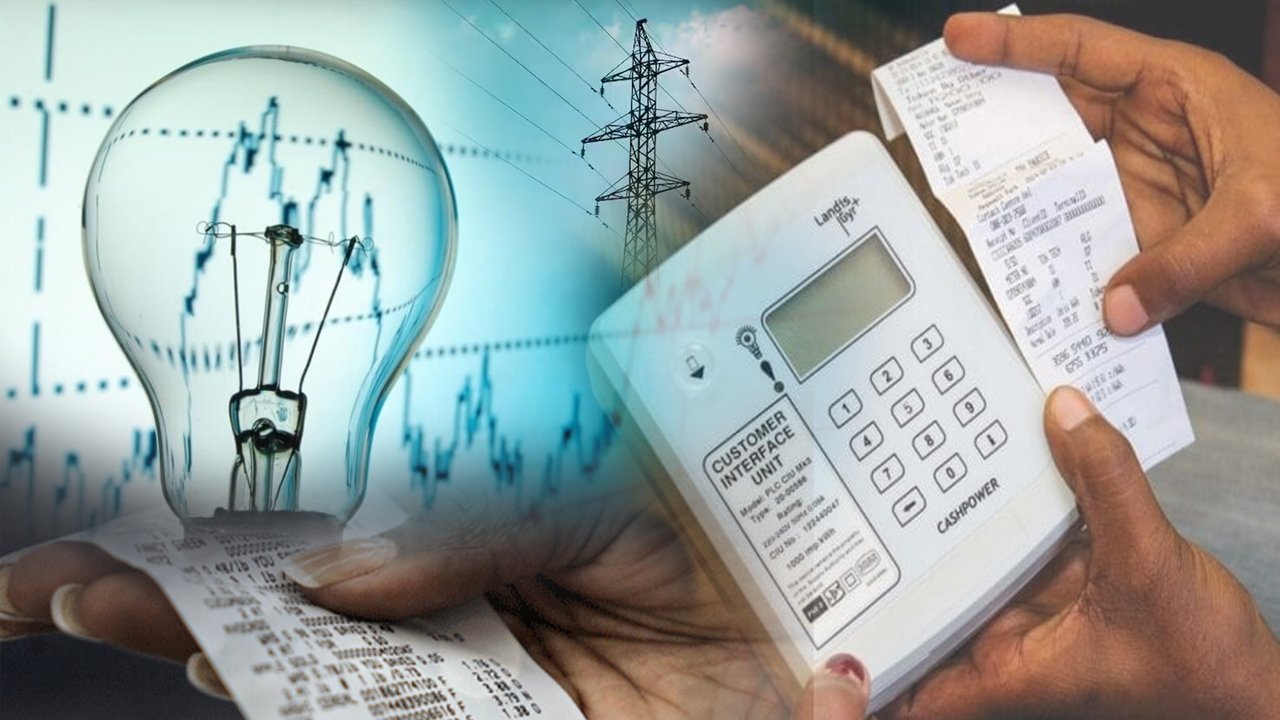
The Federal Government is trying to hold the line on two major household costs as Nigerians continue to deal with higher living expenses: electricity tariffs and petrol prices.
On September 21, 2026, the Minister of Power, Joseph Tegbe, said there were no plans to increase electricity tariffs for now, following reports that another hike could be coming.
At the same time, President Bola Tinubu has ruled out bringing back the petrol subsidy and instead ordered states to accelerate cheaper transport programmes using compressed natural gas (CNG) and electric vehicles.
The bigger story is therefore not simply that electricity prices will remain unchanged or that fuel subsidies will not return. The government is attempting to shift the pressure from energy prices themselves to the cost of using energy, particularly transportation.
Electricity Tariffs Stay Frozen For Now
The electricity tariff position was clarified by Power Minister Joseph Tegbe after reports triggered concerns about another increase.
Tegbe said on September 21 that the Federal Government had no current plan to raise electricity tariffs. He said the immediate focus was improving electricity supply, expanding access and making sure consumers pay for electricity they actually receive.
That distinction matters because the government is also working towards ending electricity subsidies and addressing the financial problems affecting the power sector.
The Federal Government previously said it wanted to phase out electricity subsidies in 2027 while dealing with an estimated ₦3.3 trillion legacy debt in the sector. However, Tegbe said this did not mean an immediate increase in what consumers pay.
Fuel Subsidy Is Not Coming Back
On petrol, the message from the Presidency is more direct.
Tinubu said Nigeria cannot return to the petrol subsidy system and argued that the country should accelerate alternatives that reduce dependence on petrol instead.
The government says the subsidy consumed significant public resources and left Nigeria exposed to international oil-price movements. Instead, it is promoting CNG and electric transportation as a way to reduce the cost of commuting.
The approach also comes as global energy disruptions continue to put pressure on petrol and diesel prices.
For Nigerians, however, the important test will not be the number of vehicles converted or CNG stations opened. It will be whether those lower operating costs actually reach passengers through cheaper fares.
October 1 Becomes the Key Test
The government has given states a clear target: Nigerians should begin seeing measurable reductions in transport costs from October 1, 2026.
Tinubu said the Federal Government and the 36 state governors agreed on the objective during a meeting on August 27. An implementation committee under the Nigeria Governors’ Forum is coordinating the rollout.
The government says more than 120,000 vehicles have already been converted to CNG, while more than 400 certified conversion centres and over 90 CNG refuelling stations are operating nationwide.
There are also examples of cheaper fares already being reported. In Abuja, some CNG-supported routes have seen fares fall by about 40 percent. In Niger State, the Suleja-Abuja fare was cited at ₦550 compared with about ₦800, while Abia has deployed 40 electric buses with fares subsidised by 50 percent.
The Real Challenge Is Delivery
The policy now faces a practical test. CNG can reduce vehicle operating costs, but cheaper fuel does not automatically guarantee cheaper fares. States have to provide or support buses, conversion infrastructure and refuelling access, while transport unions and operators have to pass some of the savings to commuters.
The Federal Government has also directed the rollout of an additional 500 CNG refuelling stations, taking its planned national network to 1,000 stations.
That infrastructure could determine how quickly the policy moves beyond selected routes and becomes a meaningful alternative for ordinary commuters.