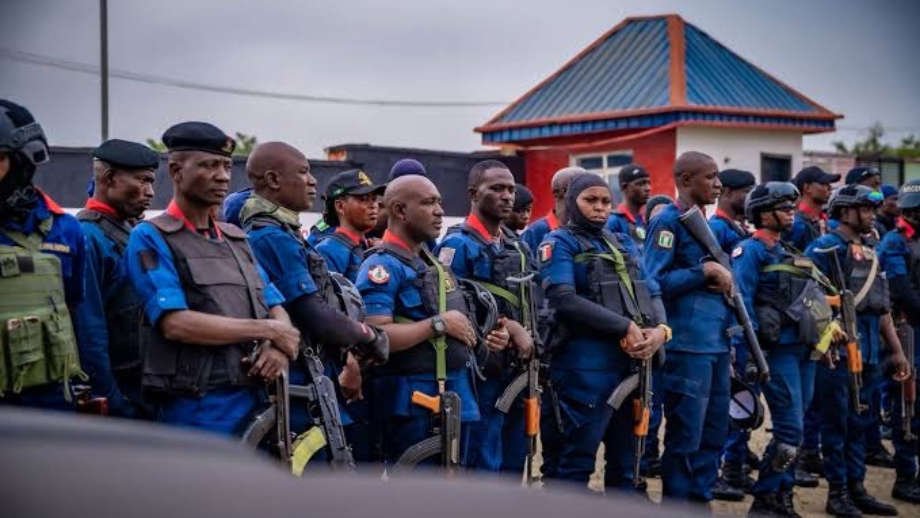










A 24-hour curfew has been imposed in Minna, Niger State, after protests erupted over the deaths of 37 suspected illegal miners who were being held by the Nigeria Security and Civil Defence Corps (NSCDC).
The deaths have triggered a government investigation, the suspension of senior NSCDC personnel and growing questions about the conditions inside the detention facility. The case has also become a test of how the government handles deaths involving people already under state custody.
Why Minna Was Placed Under Curfew
Niger State Governor Mohammed Umaru Bago announced the 24-hour curfew after protests over the Niger State miners deaths became violent. Authorities said public and private property was damaged, including vehicles, a bank and political party offices.
The government also cancelled an APC rally scheduled for Minna and ordered a temporary suspension of mining activities in the state as officials worked to restore calm.
The unrest followed the discovery that 37 people detained over suspected illegal mining had died in NSCDC custody. Reuters reported that many of the detainees were teenagers between 14 and 18 years old.
What Happened Inside the NSCDC Facility?
The exact cause of death has not been established. NSCDC initially suggested that a disease outbreak could have been responsible. However, survivors have described overcrowded and poorly ventilated cells, raising the possibility that some detainees died from suffocation.
Niger State officials are also examining whether exposure to hazardous substances associated with illegal mining could have contributed to the deaths. Forensic examinations, medical assessments and autopsies have been ordered.
That uncertainty is now central to the investigation. Establishing the cause of death will determine whether the tragedy resulted from disease, unsafe detention conditions, exposure to chemicals, negligence, or a combination of factors.
20 NSCDC Officers Suspended
The Federal Government has moved beyond the initial suspension of the Niger State NSCDC commandant.
Interior Minister Olubunmi Tunji-Ojo announced the suspension of 20 NSCDC officers and the creation of a 10-member independent committee to investigate the deaths. The committee has two weeks to establish who the victims were, examine their arrests and detention, determine the circumstances surrounding their deaths and identify possible responsibility or negligence.
President Bola Tinubu has also ordered a full and transparent investigation, saying enforcement against illegal mining must still respect the rights and dignity of people in custody.
What Happens Next?
The key issue now is whether the investigation produces clear answers and whether those found responsible face consequences.
The government has promised that evidence and records will be preserved and that witnesses should not be intimidated. That makes the committee’s findings particularly important as public anger continues.
The tragedy also exposes two problems that now have to be addressed together: illegal mining, which authorities say contributes to wider insecurity, and the responsibility of security agencies when suspects are placed in their custody.
For families of the dead, the immediate demand is simpler: they want to know how their relatives died and who was responsible.