









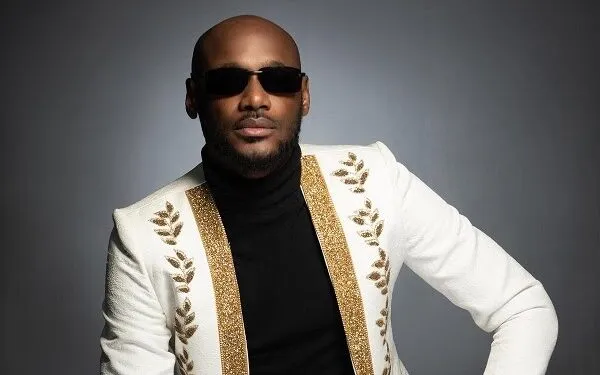
Nigerian music icon 2Baba is celebrating his 51st birthday on September 18, 2026, with fans looking back at a career that has stretched from the early days of modern Nigerian pop to today’s global Afrobeats era.
Born Innocent Ujah Idibia in 1975, 2Baba has spent more than three decades around Nigerian music, first as a member of Plantashun Boiz and later as one of the country’s most successful solo artists. His birthday has again brought attention to a bigger question: how did an artist from the early 2000s remain relevant through so many changes in Nigerian music?
From Plantashun Boiz to a Solo Career
2Baba’s story began in the late 1990s when he joined Blackface and Faze to form Plantashun Boiz. The group became an important part of Nigeria’s emerging pop and R&B movement, releasing Body and Soul in 2000 and Sold Out in 2003.
The group eventually broke up in 2004, but the separation opened the biggest chapter of 2Baba’s career. He signed with Kennis Music and released Face 2 Face, establishing himself as a solo star rather than simply the former member of a successful group.
African Queen Changed the Conversation
The defining moment came with African Queen, one of the standout songs on Face 2 Face. The romantic track became a major success in Nigeria and across Africa before receiving international exposure through the 2006 Hollywood film Phat Girlz.
The song mattered because it showed that Nigerian pop could travel internationally without abandoning its local identity. At a time when the country’s music industry was still building its global audience, 2Baba became one of the artists helping create a path for the generation that followed.
His next album, Grass 2 Grace, reinforced that success with songs including True Love and For Instance.
A Career That Survived Changing Sounds
The Nigerian music industry has changed dramatically since 2Baba released Face 2 Face. Physical albums gave way to digital downloads, then streaming, while Afrobeats moved from Nigerian radio and African markets to major international stages.
Through those changes, 2Baba continued releasing music and working with different generations of artists. He also established Hypertek Digital and gradually moved from being known as 2Face Idibia to officially adopting the name 2Baba in 2016.
That ability to evolve is part of what makes his 51st birthday more than a personal milestone. His career provides a timeline of how Nigerian popular music itself has changed.
Why Fans Still Return to the Old Songs
Birthday tributes this year have focused heavily on songs such as African Queen, True Love and Nfana Ibaga, showing that nostalgia remains a major part of 2Baba’s connection with his audience.
But nostalgia alone does not explain his staying power. His strongest songs are built around themes that have not aged out of music: love, relationships, heartbreak, faith and everyday life.
That gives the catalogue a second life with younger listeners who may not have experienced the original era when the songs were released.
51 Years, More Than Three Decades of Music
At 51, 2Baba now represents a bridge between different generations of Nigerian music. He came up when Plantashun Boiz and other early groups were shaping the country’s contemporary sound, became a solo star during the rise of Nigerian pop in the 2000s, and watched the industry develop into the global Afrobeats business it is today.
Fans celebrating his birthday are therefore celebrating more than an individual artist. They are also revisiting a period that helped shape the Nigerian music industry that exists today.
For 2Baba, the milestone adds another chapter to a career that has already lasted far longer than the usual lifespan of a pop star.