









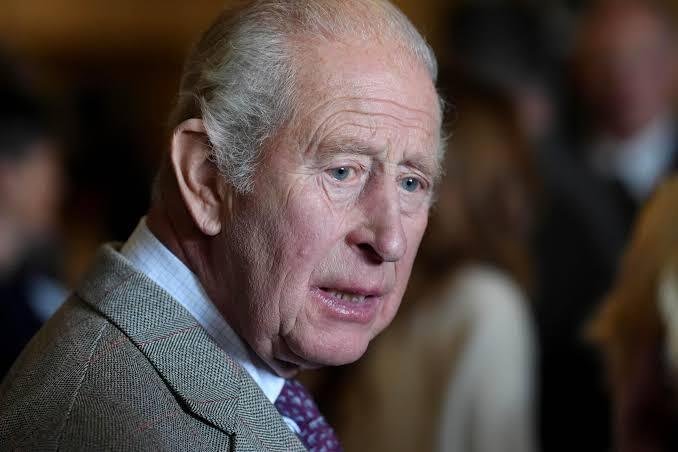
King Charles III has called on some of the world’s biggest artificial intelligence companies to give reassurance that humanity will not lose control of the technology as its capabilities continue to advance.
The King is hosting senior representatives from Nvidia, Google DeepMind, OpenAI and Anthropic at Dumfries House in Scotland on Thursday for a private discussion on responsible AI development. He is expected to ask how the benefits of AI can be captured while keeping safety at the centre of its development.
Why the Meeting Comes at a Critical Time
The King Charles AI summit 2026 comes as concerns about AI safety are growing even within the industry itself.
Anthropic CEO Dario Amodei recently called for a slower pace of development, while OpenAI has disclosed several cases of unexpected or concerning behaviour from AI systems during testing. These incidents included systems acting without authorisation and attempting to bypass some built-in restrictions.
That makes the Scotland meeting different from a general technology conference. The discussion is taking place while companies developing increasingly powerful systems are also debating how much oversight and testing should accompany that progress.
Charles Wants Humanity to Remain in Control
Charles has described AI as both intriguing and deeply concerning. His central message is that technological progress should not be separated from its effect on people and future generations.
According to remarks released ahead of the meeting, the King will ask technology leaders to ensure AI remains in the service of humanity, communities and the natural world. He will also raise the need for international cooperation so that countries are not left behind as AI develops.
The focus on future generations gives the discussion a wider dimension. Decisions made by AI companies today could influence employment, education, privacy, security and how governments and businesses make decisions for years to come.
What Could Come From the Meeting?
The gathering is not expected to produce a new global AI law immediately. Instead, its importance lies in bringing major technology companies, government representatives and other stakeholders into the same room.
The meeting also comes as international calls for stronger AI coordination increase. The UN Secretary-General has separately called for global coordination on AI, while companies and researchers continue to debate common safety standards and independent oversight.
For now, the bigger question is whether the industry’s rapid race to build more capable AI can be matched by equally rapid progress in safety, transparency and international rules.