










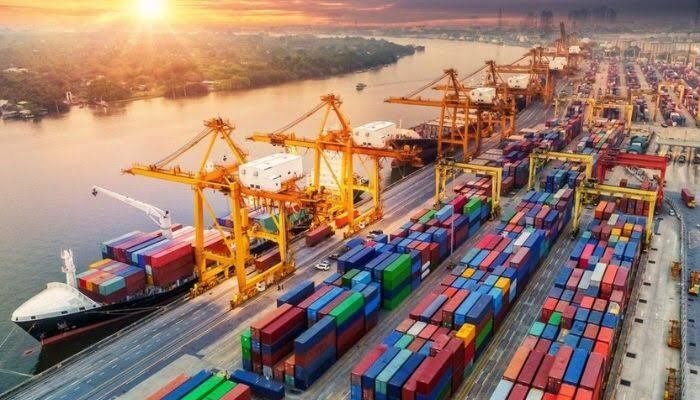
Nigeria recorded a ₦12.60 trillion trade surplus in Q2 2026, more than doubling from the previous quarter as exports increased and imports fell, according to the latest report from the National Bureau of Statistics (NBS).
The result gives Nigeria a strong headline economic figure. But the bigger story is what sits behind it. The country is earning more from merchandise exports while Nigerians continue to face pressure from high food, transport and household costs.
Exports Rose While Imports Fell
The NBS trade report 2026 puts Nigeria’s total merchandise trade at about ₦41.44 trillion in the second quarter. Exports increased by 18.77%, with crude oil remaining a major contributor. Crude oil exports alone were valued at about ₦12.91 trillion, highlighting how heavily Nigeria’s trade position still depends on petroleum.
At the same time, imports declined. That helped widen the Nigeria trade surplus Q2 2026, but it also creates another question about domestic demand.
A country can record a larger surplus because it is exporting more, importing less, or both. In Nigeria’s case, the combination is important because weaker imports can also reflect the high cost of foreign goods and pressure on consumers and businesses.
India and Spain Buy More Nigerian Goods
The latest figures also show changes in where Nigeria’s exports are going. India and Spain emerged among Nigeria’s leading export destinations during the quarter, while China remained the dominant source of imports, accounting for about 41% of Nigeria’s imports.
The imbalance highlights Nigeria’s position in global trade. The country continues to sell large quantities of commodities abroad while importing a wide range of manufactured goods and other products.
That relationship becomes especially important when the naira weakens or international shipping and production costs rise.
Why the Surplus Has Not Reached Households
The ₦12.60 trillion Nigeria trade surplus does not mean the government suddenly has ₦12.60 trillion available to spend.
A trade surplus measures the difference between the value of goods exported and goods imported. It is not the same thing as government revenue, household income or money sitting in the government’s account.
That distinction matters because Nigerians can experience rising living costs even while the country’s external trade position improves.
The NBS itself continues to publish elevated prices for key household and energy products, showing the gap between stronger external trade numbers and domestic living costs.
The Real Test Is What Nigeria Does With the Gains
The latest Nigeria exports Q2 2026 figures provide evidence that the country’s external trade position is improving. But the longer-term test is whether that improvement becomes stronger domestic production, more jobs and lower dependence on imported goods.
The crude oil contribution also shows why diversification remains important. A stronger trade balance built mainly around commodities can improve foreign exchange earnings without necessarily changing the structure of the economy.
For now, Nigeria has a much better trade number to celebrate. The harder question is whether the improvement will eventually show up in the cost of living.