









The Nigerian Senate has warned that it could review diplomatic relations with South Africa if renewed xenophobic attacks against Nigerians continue, following the killings of two Nigerian citizens during recent anti-migrant unrest.
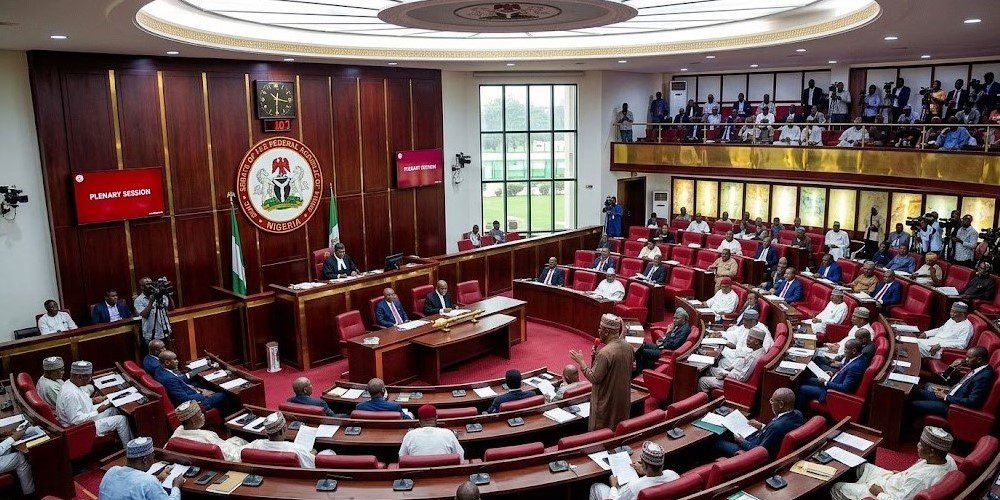
During plenary, lawmakers condemned the deaths of Emeka Charles Iroegbu and Musa Yunana Joe, who were reportedly killed on June 28 amid rising hostility toward foreign nationals in South Africa. Leading the debate, Senator Abdul Ningi urged the Federal Government to take stronger diplomatic action to ensure the safety of Nigerians living in the country.
The Senate directed the Ministry of Foreign Affairs to engage South African authorities and demand written assurances on the protection of Nigerians. Lawmakers also called for the arrest and prosecution of those responsible for the killings, as well as adequate compensation for the victims’ families.
While some senators proposed tougher retaliatory measures, including sanctions against South African businesses operating in Nigeria, the chamber rejected those suggestions, opting instead for a measured diplomatic approach. Committees on Foreign Affairs and Diaspora Affairs were tasked with reviewing previous resolutions on xenophobic attacks and reporting back within two weeks with recommendations for further action.
The debate comes amid renewed concerns over the safety of Nigerians in South Africa, where anti-migrant sentiment has intensified in recent weeks. Despite the tensions, lawmakers acknowledged the importance of preserving the strong economic relationship between the two countries, which accounts for billions of dollars in annual bilateral trade.
The Senate stressed that protecting Nigerian citizens abroad remains a constitutional responsibility and warned that continued attacks without meaningful action from South African authorities could compel Nigeria to reconsider aspects of its diplomatic engagement. The development adds to growing pressure on both governments to address recurring xenophobic violence while preserving one of Africa’s most significant bilateral partnerships.