






At least 37 people have reportedly died after inhaling toxic fumes during an alleged illegal oil siphoning operation in Okrika, Rivers State. The incident has once again exposed the deadly risks surrounding Nigeria’s illegal oil trade, but it also points to a deeper problem in the Niger Delta: the lack of safe and reliable livelihoods for young people.
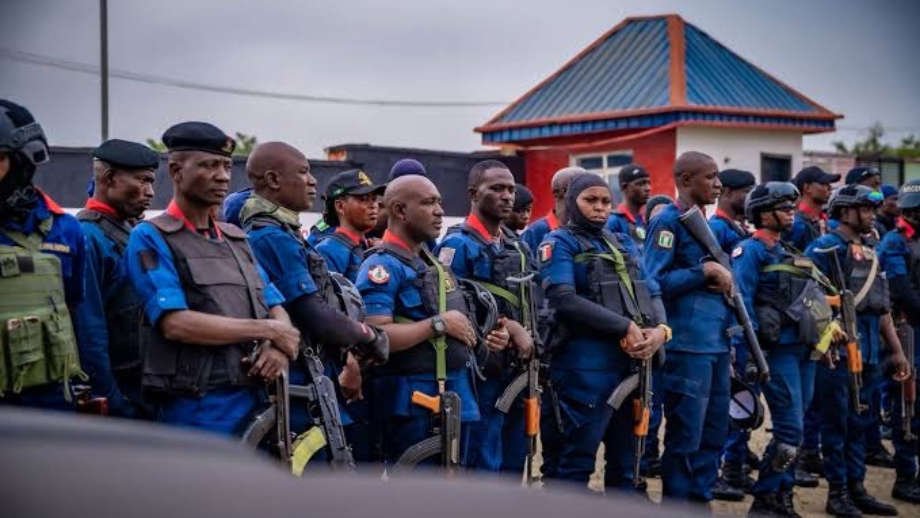
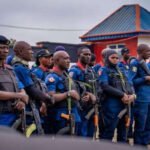
The casualty figure has not yet been independently confirmed by authorities. The Rivers State Police Command confirmed that deaths occurred and said an investigation was underway, while the Nigeria Security and Civil Defence Corps said circulating casualty figures remained unverified.
What Happened in Okrika?
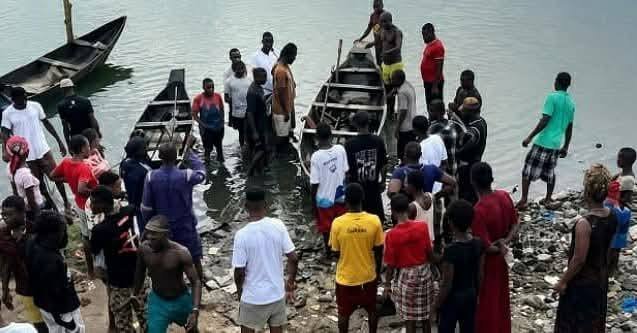
The incident occurred around midnight on September 3 at Okari Jetty in Okrika. More than 100 people were reportedly in locally made boats around an illegally tapped point while a vessel was loading petroleum products.
According to the Youths and Environmental Advocacy Centre, people attempting to transfer the product into their boats were suddenly exposed to dangerous fumes. Several collapsed, while others reportedly fell into the river. Some survivors were taken to hospital with serious breathing difficulties.
Community accounts differ on exactly what the victims were doing and what substance caused the deaths. That makes the ongoing investigation important before the full circumstances are established.
Why Illegal Oil Theft Keeps Attracting People
The Okrika oil theft incident shows why simply describing victims as oil thieves does not explain the whole story.
Civilian JTF commander Igwe Godswill said many of those involved were young people looking for a means of earning money. He argued that dangerous activities become attractive when legitimate employment is difficult to find.
That does not remove the dangers or legal consequences of pipeline vandalism. However, it highlights the economic pressure behind a problem that has continued across the Niger Delta for years.
Another Warning For Nigeria’s Oil Industry
The 37 people dead in Rivers State also highlights the wider cost of pipeline vandalism. Illegal tapping can cause deaths, environmental damage and losses for legitimate oil operations.
The government therefore faces two challenges. Security agencies must prevent dangerous access to oil infrastructure, while authorities also need to create realistic economic alternatives for communities where oil remains one of the biggest sources of wealth.
YEAC has called for alternative livelihoods and stronger protection around oil infrastructure. The final casualty figure and investigation findings will determine what happened at Okari Jetty. But the tragedy has already raised a bigger question: how many more people will risk their lives around Nigeria’s oil infrastructure before safer ways to earn a living become available?