





Nigeria’s international engagements took center stage this week with two major developments, one marking a security milestone with the United States and the other highlighting growing diplomatic efforts to protect Nigerians affected by anti-immigrant unrest in South Africa.
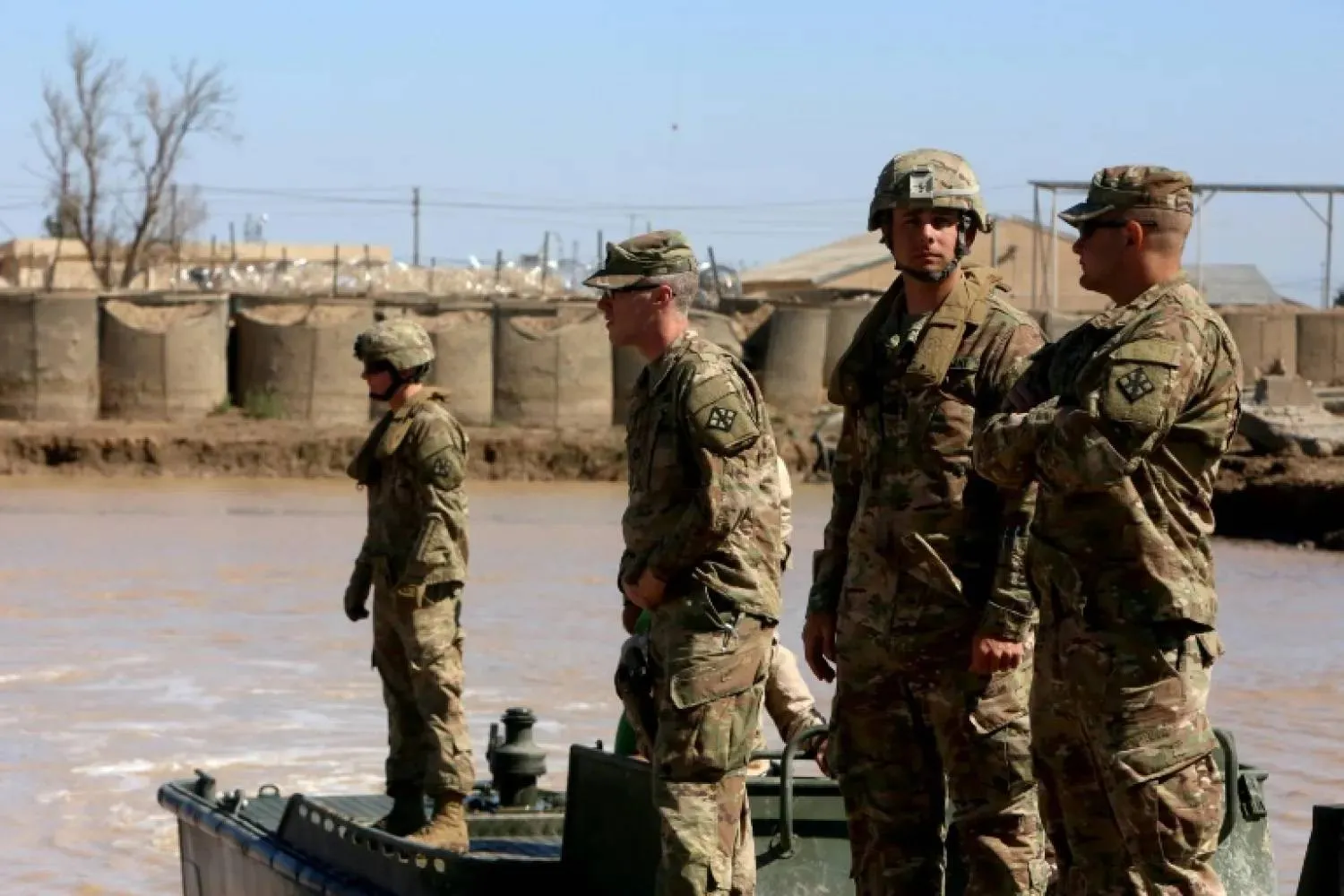
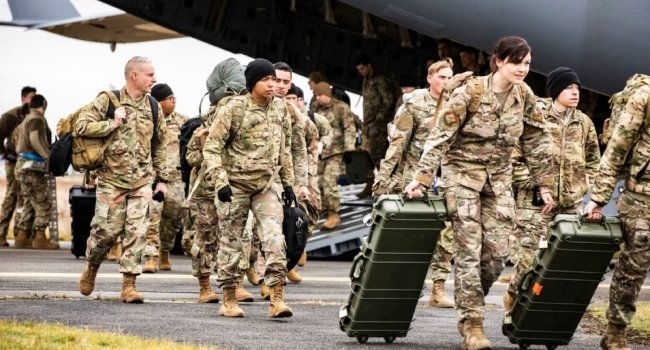
The United States has completed the withdrawal of most of its combat personnel deployed to Nigeria following the conclusion of a joint counterterrorism operation in the Lake Chad Basin. U.S. Africa Command described the mission as a success, saying it significantly disrupted Islamic State networks operating in the region, including the operation that led to the death of senior ISIS commander Abu-Bilal al-Minuki in Borno State.
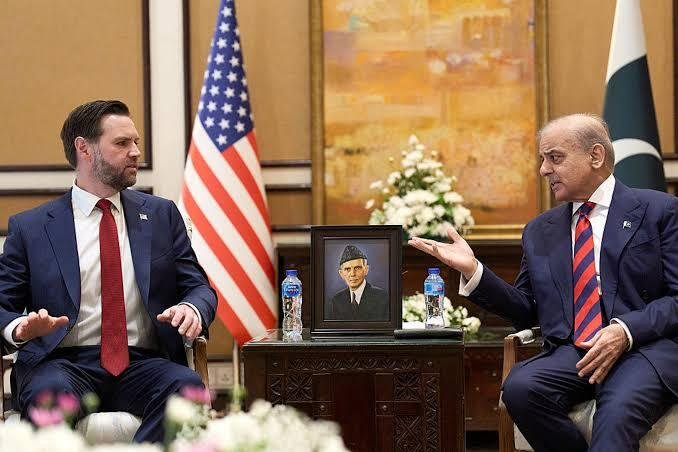
Although combat troops have departed, Washington says it will continue supporting Nigeria through intelligence sharing, surveillance and broader security cooperation as Abuja leads future counterterrorism operations.
Meanwhile, Nigeria is also intensifying diplomatic efforts over the recent anti-immigrant violence in South Africa. The Acting Nigerian High Commissioner to South Africa has directed citizens returning home to document businesses, homes, vehicles and other assets they were forced to abandon during the unrest.
The records will be used to support Nigeria’s planned compensation claims in discussions with the South African government. The move follows weeks of anti-immigrant protests and voluntary evacuations of Nigerians who fled over fears for their safety.
South Africa has since pushed back against the proposed compensation demand, arguing that responsibility for abandoned property remains a complex legal issue. Nevertheless, Nigerian officials insist they will continue pursuing diplomatic channels to seek justice for affected citizens while assisting those returning home.
Together, the developments reflect Nigeria’s evolving international priorities—strengthening strategic security partnerships while protecting the interests of its citizens abroad through diplomatic engagement and regional cooperation.