








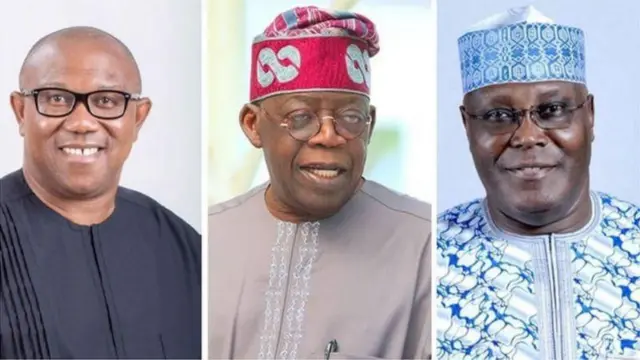
The 2027 election is already exposing one of the biggest challenges facing Nigeria’s opposition: getting major political figures to agree on who should lead a united challenge to President Bola Tinubu.
The camps of former Vice President Atiku Abubakar and former Anambra State governor Peter Obi have rejected a proposal by the G-100 political pressure group for opposition parties to support a single opposition candidate against the All Progressives Congress. Both sides support cooperation, but neither appears ready to abandon its own presidential ambition.
Why the Opposition Alliance is Struggling
The idea behind the opposition alliance is simple: avoid splitting votes among several candidates.
The G-100 argues that a divided opposition could make it easier for Tinubu to retain power, particularly because Nigeria’s presidential election system rewards candidates who can build broad geographical support.
But agreeing on a common candidate is much harder. Atiku and Obi have separate political bases, parties and supporters, meaning that choosing one over the other could create a new division rather than solve the old one.
The problem is not entirely new. Earlier attempts to build a broad opposition coalition also suffered setbacks, with Obi and Rabiu Kwankwaso eventually moving away from the coalition project.
Atiku Shifts the Battle to the Economy
While the single opposition candidate debate continues, Atiku is also trying to make economic hardship a major part of his campaign.
On Monday, he criticised the Tinubu administration over its borrowing and claimed that poverty had increased from 56 per cent in 2023 to between 61 and 63 per cent under the current government. Those figures are Atiku’s claim and have not been independently established in the reports reviewed.
His wider message is that government borrowing and economic reforms have not produced enough improvement in the lives of ordinary Nigerians.
That gives the opposition a potential campaign weapon, but it also creates a challenge. Atiku and other opposition leaders will need to convince voters that they have credible alternatives, not simply criticisms of Tinubu.
What This Means for Tinubu
The failure to agree on one candidate could benefit Bola Tinubu if opposition votes remain divided. That was one of the lessons from the 2023 election, when Tinubu won with a plurality rather than a majority of votes. Current reporting also shows that the opposition remains fragmented as the campaign season gets underway.
However, the race is still far from settled. The coming months will likely determine whether Atiku, Obi and other opposition figures can find a compromise, or whether they will enter the 2027 election separately and ask voters to make the final choice.
For now, the opposition’s biggest question is no longer whether it can challenge Tinubu. It is whether its major candidates can agree on how to do it.


2 thoughts on “2027 Election: Atiku and Peter Obi Reject Single Opposition Candidate as Unity Push Falters”