









Petrol prices are beginning to fall at some filling stations in Nigeria as cheaper depot supplies start to reach the retail market.
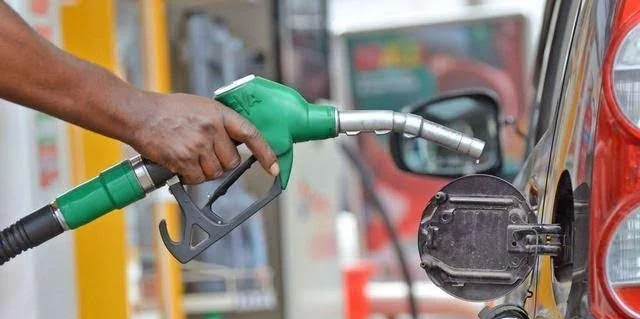
MRS has reduced its petrol price in Lagos and surrounding areas from ₦1,370 to ₦1,350 per litre, while some independent marketers are now selling at around ₦1,360. The changes mark one of the clearest signs yet that the recent fall in petrol depot prices is reaching motorists.
The development comes after several petroleum depots reduced their wholesale prices in recent days. According to the latest Daily Depot Price Intelligence Report for Friday, September 25, petrol was selling for as little as ₦1,303 per litre at some depots in Port Harcourt.
Why Petrol Prices are Falling
The latest petrol price reduction follows a combination of lower depot prices and weaker international crude oil prices.
Brent crude fell by $2.28 to $104.30 per barrel, while West Texas Intermediate dropped by $1.79 to $92.82 per barrel. Refined gasoline prices also declined during the period.
Those movements matter because changes in the cost of crude and refined products can eventually affect what marketers pay for petrol.
The effect has already been visible at the depot level. Average petrol depot prices stood at ₦1,326 per litre in Lagos, ₦1,318 in Calabar, ₦1,315 in Warri and ₦1,303 in Port Harcourt as of September 25.
Why Motorists May Not See ₦1,350 Everywhere
The reduction does not mean petrol will immediately sell for ₦1,350 across Nigeria.
MRS’s new Lagos price is ₦25 above the ₦1,325 depot price recorded by several Lagos suppliers. Pump prices also depend on transportation, operating expenses, location and marketers’ margins.
This explains why some independent stations are currently selling around ₦1,360 rather than matching MRS’s ₦1,350 price.
Regional differences are also significant. A station receiving petrol from a more expensive depot or paying more for transportation may continue charging a higher price.
What to Expect Next
The key question is whether the lower depot prices will continue. If wholesale petrol prices remain low, more filling stations could adjust their pump prices as they replace older, more expensive stock with cheaper supplies. However, crude oil prices, foreign exchange conditions and supply costs could still change the direction of the market.
For motorists, the immediate takeaway is that petrol price reductions are beginning to move beyond the depot market. The ₦1,350 price recorded by MRS shows that cheaper wholesale supplies are now starting to translate into lower retail prices, although the size and timing of further cuts will vary from one location to another.