









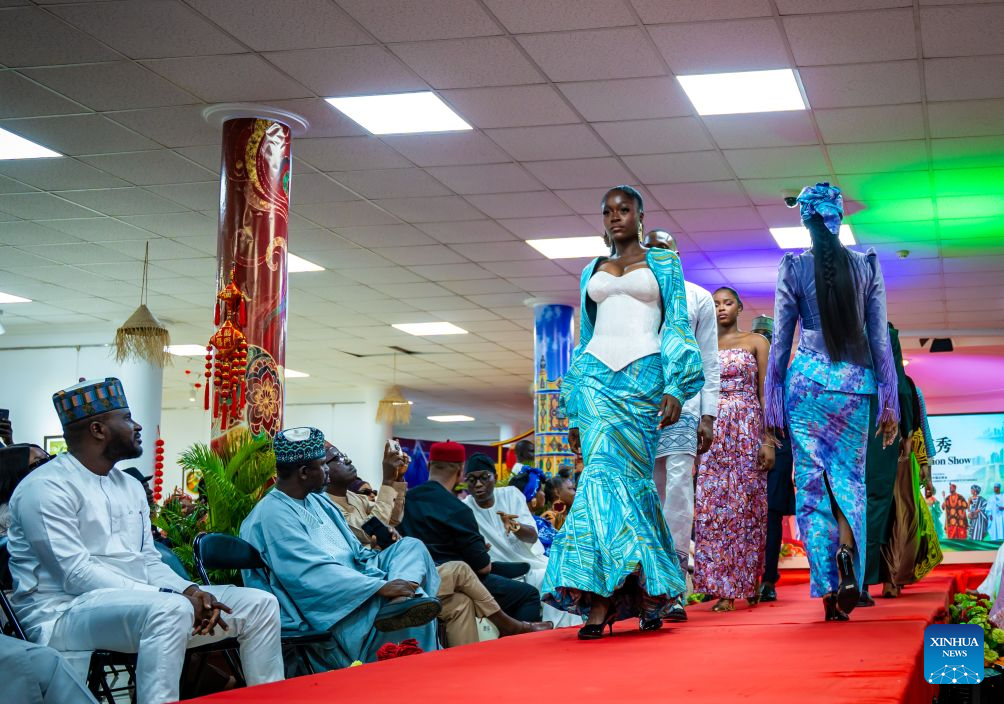
Abuja has hosted a China-Nigeria fashion show that brought Chinese and Nigerian styles together on one runway, turning fashion into a platform for cultural exchange and a possible opening for deeper creative and business cooperation.
The event, organised by the China Cultural Centre and partners, featured designs inspired by the traditions of both countries. Organisers and government representatives said the China-Nigeria fashion cooperation could create opportunities for designers, artisans, entrepreneurs and other people working in the creative economy.
From Cultural Exchange to Creative Business
The show featured elements of Chinese fashion, including Hanfu, Tang-style clothing, Qipao and Mamianqun, alongside Nigerian styles such as Aso-Oke, Agbada, Buba, Iro and Gele.
China Cultural Centre Director Yang Jianxing said fashion can communicate cultural identity while creating opportunities for cooperation between creative industries. He described the runway as a meeting point between two different fashion traditions rather than simply an entertainment event.
That distinction matters for Nigeria’s creative sector. A fashion show can attract attention, but the bigger economic opportunity comes when that attention leads to partnerships, training, production and access to new markets.
Why Nigeria’s Textile Industry Matters
The event also brings attention to the long-term potential of the Nigerian textile industry. Nigeria has a large population of designers, tailors, textile workers and fashion entrepreneurs, but many businesses still operate on a relatively small scale. Greater international engagement could give some of these businesses access to new skills, materials, technology and customers.
Nigeria and China have previously discussed using fashion and textile cooperation to support economic growth. At an earlier China-Nigeria fashion event in Abuja, Chinese officials argued that fashion could help develop the textile industry and increase Nigeria’s economic output.
The latest show therefore fits into a wider effort to use culture as part of the relationship between the two countries.
What Could Come Next?
The real test will be whether the Abuja fashion show produces opportunities beyond the runway.
Nigeria’s creative economy could benefit if cultural exchanges lead to designer collaborations, skills development, textile production and connections with international buyers. The Federal Ministry of Art, Culture, Tourism and Creative Economy has also said stronger international engagement can help Nigerian creatives connect with global partners.
The fashion show is therefore significant not only because Nigerian and Chinese designs appeared together, but because it shows how cultural diplomacy can create a path toward commercial cooperation.
For Nigerian designers, the opportunity is potentially much bigger than a single fashion event. The challenge will be turning cultural visibility into sustainable businesses and stronger access to international markets.