








The Presidency has clarified that Nigeria land borders have been open since March 2024, pushing back against claims that the Federal Government still maintains a general closure on cross-border trade.
The clarification came after former Vice President Atiku Abubakar said he would reopen Nigeria’s borders if elected in 2027. The Presidency said the statement was misleading because most of the country’s land borders were already reopened more than two years ago.
What Happened to Nigeria’s Land Borders?
The Federal Government announced the reopening of most Nigeria land borders on March 14, 2024, following the lifting of ECOWAS sanctions against Niger and other countries. The government has not announced a reversal of that policy.
President Bola Tinubu also opened the Kamba border in Kebbi State in February 2026, which the Presidency said produced economic and diplomatic benefits.
This means the current debate is less about whether the borders are physically open and more about how open they are for businesses and traders.
Open Does Not Mean Uncontrolled
The Presidency’s argument is that an open border does not mean that every form of movement or trade is automatically allowed.
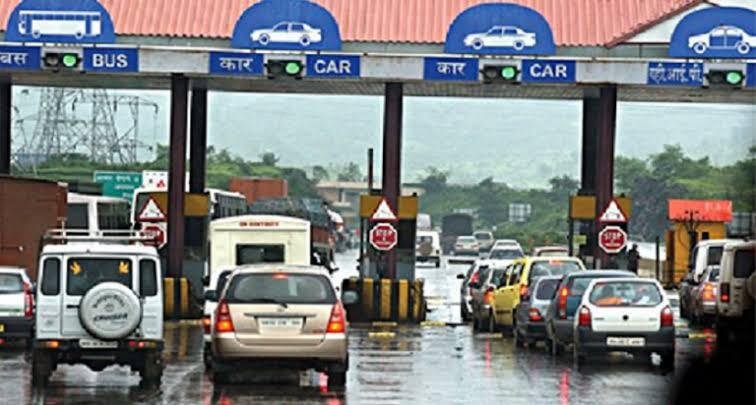
Customs, immigration and security agencies still operate at border points, while restrictions can apply to specific goods and activities. The government says these controls are needed to tackle smuggling, arms trafficking, human trafficking and terrorism.
That distinction matters for businesses involved in Nigeria import and export. A trader being able to cross a border does not necessarily mean every product can legally enter the country or that the trader can avoid customs requirements.
Why the Clarification Matters for Trade
The confusion over the Nigeria border reopening debate could affect how businesses and investors understand the country’s trading environment.
Nigeria has been trying to make legitimate trade easier through measures such as the National Single Window, which is designed to bring import and export processes onto a unified digital platform. The government says the system should reduce delays and make cargo clearance more predictable.
For traders, therefore, the bigger issue is not simply whether a border gate is open. It is whether goods can move through it efficiently, legally and at a predictable cost.
That is likely to remain an important political issue ahead of the 2027 elections, especially as different candidates present competing ideas about Nigeria border trade, imports and economic growth.