








Nigeria is setting some of its biggest energy targets in years, with the Federal Government pushing two fronts at the same time: getting millions of households to switch to cooking gas and expanding electricity access across the country.
The timing is important. For many Nigerians, energy poverty is not just about whether the national grid is working. It also means struggling to afford cooking fuel, relying on firewood or charcoal, and spending heavily on petrol or diesel when electricity fails.
The Federal Government has now launched its National Grassroots LPG Penetration Programme, targeting one million households each year, five million homes by 2030 and more than 10 million by 2060. Beneficiaries can receive up to six free refills, while the programme is designed to bring refill points closer to communities.
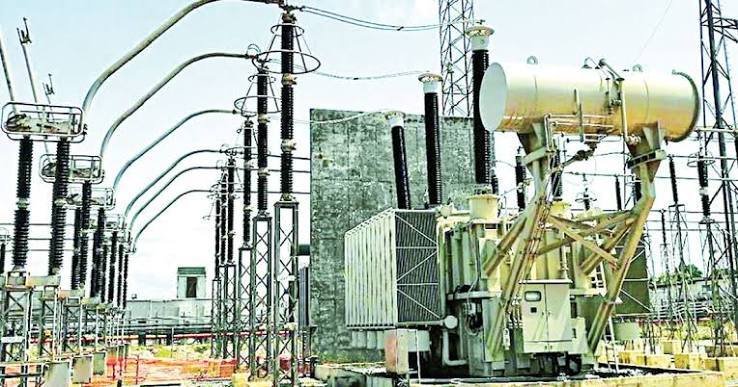
At the same time, the government says it wants to push electricity access in Nigeria above 80 per cent within five years, while also closing the gap between the country’s installed generating capacity and the power actually available to consumers.
The Bigger Problem Is Energy Poverty
The interesting part of these announcements is that they target two different sides of the same problem. A family can technically have electricity access and still spend a large part of its income on alternative power when supply is unreliable. Another household may have no reliable electricity at all and depend on firewood or charcoal to cook.
Nigeria’s own Energy Transition Plan identifies both electricity and clean cooking as major parts of the country’s energy challenge. The plan says 175 million Nigerians lacked access to clean cooking solutions based on the data used for its development.
That makes the LPG programme more than a fuel distribution exercise. If it works, it could reduce household dependence on firewood and charcoal while creating opportunities for businesses involved in cylinder distribution, refilling and logistics.
But Affordability Could Decide Everything
The biggest question is what happens after the free refills run out. Nigeria has tried to increase LPG adoption for years, but affordability remains a major barrier. More than 20 million Nigerian households were still relying on firewood and charcoal in recent reporting, despite previous government and private-sector efforts to expand clean cooking.
That means getting cylinders into homes is only the first step. Nigerians also need affordable and reliable access to LPG afterwards. The same applies to electricity. Reaching 80% electricity access will mean little if households are connected to a grid that cannot provide dependable power and their state is in debt as seen in the Kaduna energy crisis.
What Nigerians Should Watch
The real test for both programmes will be implementation. For cooking gas, Nigerians will be watching whether the free-refill programme reaches the intended households and whether refill stations actually become accessible in rural communities.
For electricity, the question will be whether investment in generation, transmission and distribution can finally turn ambitious targets into dependable supply. Nigeria has no shortage of energy plans. What citizens need now is energy they can actually afford and depend on.