










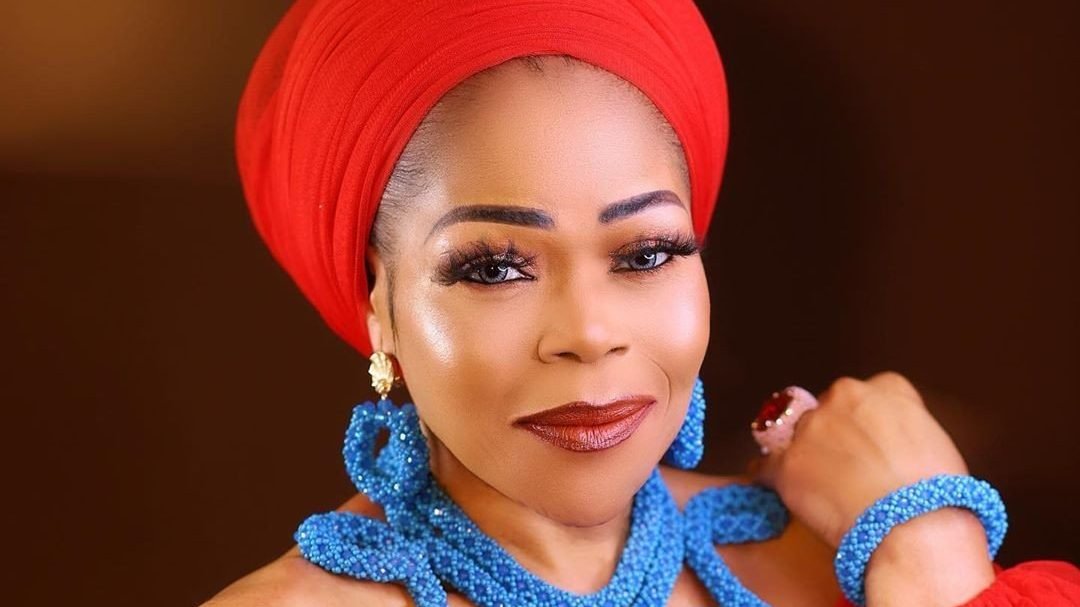
For veteran Nollywood actress Shaffy Bello, being called by her first name is not a sign of friendliness. It is a sign that something has gone wrong with how a younger person was raised.
A resurfaced clip from a 2023 podcast appearance has brought Bello’s views on respect and age back into public conversation. During her appearance on the Me, Her And Everything Else podcast, the actress explained that she does not like being addressed as simply “Shaffy” by people young enough to be her children.
Her position is straightforward. Younger people should call her “Ma’am” or “Aunty”, rather than treating her like a peer.
Shaffy Bello Says Respect Starts With Upbringing
Bello believes the way young people address older people is strongly connected to how they were brought up.
She acknowledged that customs differ between families and cultures. She specifically mentioned the Igbo practice of using terms such as “Aunty” and noted that similar forms of respect exist in the United States, where younger people may address older adults as “Ma’am” or “Sir”.
For Bello, therefore, the issue is not simply about a particular word. It is about recognising age and experience.
“I get the ‘Hi Shaffy’,” she said, explaining that she understands that upbringing and cultural background can influence how people greet others. But she has a response ready when it happens.
“You Haven’t Earned the Right to Call Me by My Name”
Bello said she corrects younger people rather than responding harshly. “I say it with love,” she explained, before telling them: “You haven’t earned the right to call me by my name.”
She added that she has a child around the age of some of the young people who address her casually, making the age difference even more obvious to her. The actress also revealed that she dislikes being greeted with a simple “Hi” and a wave, saying the practice irritates her.
Why Her Comments Still Resonate
Bello’s comments have resurfaced at a time when the relationship between younger Nigerians and older generations is changing.
Social media has made first-name interactions much more common. Young people can now follow celebrities, watch their videos daily and interact with them directly online. That can make the traditional distance between public figures and their audiences feel much smaller.
But Bello’s argument raises an interesting question: does familiarity on social media mean traditional respect should disappear? For many Nigerians, the answer is no.
The debate is ultimately less about whether everyone must call every older person “Aunty” or “Uncle”. It is about whether the values of respect, courtesy and good upbringing still have a place in a generation that increasingly prefers informal relationships.
And judging by the reaction to Bello’s resurfaced comments, many people still believe they do.