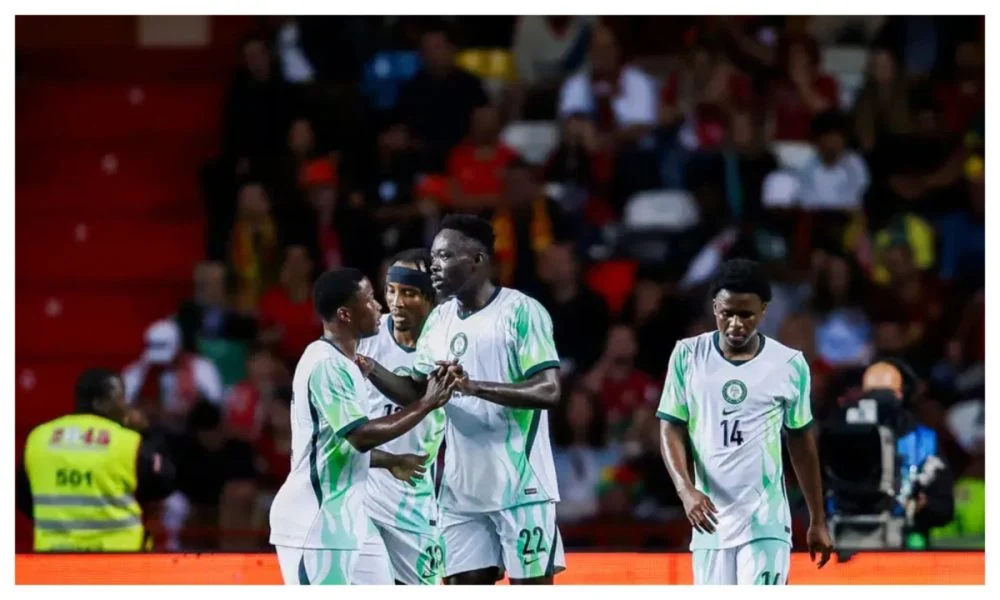









When Michelle Alozie stayed behind after Nigeria’s 1-0 victory over Zambia, it wasn’t because of an injury or media duties.
The Super Falcons defender was selected for a routine post-match anti-doping test, a standard procedure for players chosen at random after CAF matches. The test came shortly after Alozie delivered a Player of the Match performance, helping Nigeria keep a clean sheet despite playing more than 50 minutes with 10 players following Tosin Demehin’s red card.
To some fans, the words “doping test” immediately sound alarming. In reality, this is often a sign that a player has stood out during a major tournament.
Anti-doping controls are a normal part of international football. Players can be selected randomly or because of tournament protocols, and being asked to undergo testing does not imply suspicion or wrongdoing. Alozie herself confirmed she completed the mandatory process before leaving the stadium, making her one of the last Nigerian players to depart the venue.
The bigger story is the performance that led to the spotlight.
Alozie switched from right-back to left-back after Nigeria went down to 10 players and produced one of the tournament’s best defensive displays. She made crucial interceptions, clearances and tackles as the Super Falcons frustrated Zambia’s attack to keep their knockout hopes alive. Her display earned her the Woman of the Match award, but afterwards she insisted the victory belonged to the team rather than herself.
As Nigeria prepares for its decisive group-stage clash against Egypt, Alozie’s performance may prove just as important as the three points. With suspensions and injuries forcing changes elsewhere in the squad, the Super Falcons now know they have a defender capable of adapting under pressure and leading from the back.
The doping test was simply part of the job.
The real headline is that Michelle Alozie is rapidly becoming one of Nigeria’s most important players at this Women’s AFCON.