








Tensions in the Middle East have escalated dramatically after the United States launched a major wave of retaliatory strikes against Iranian military targets, prompting Iran to respond with drone and missile attacks on U.S. military installations across the Gulf.
The latest crisis began on Monday night and into Tuesday, when three commercial oil and gas tankers were struck by projectiles while attempting to transit the strategically vital Strait of Hormuz. U.S. officials blamed Iran for the attacks, describing them as a direct threat to international shipping and regional security.
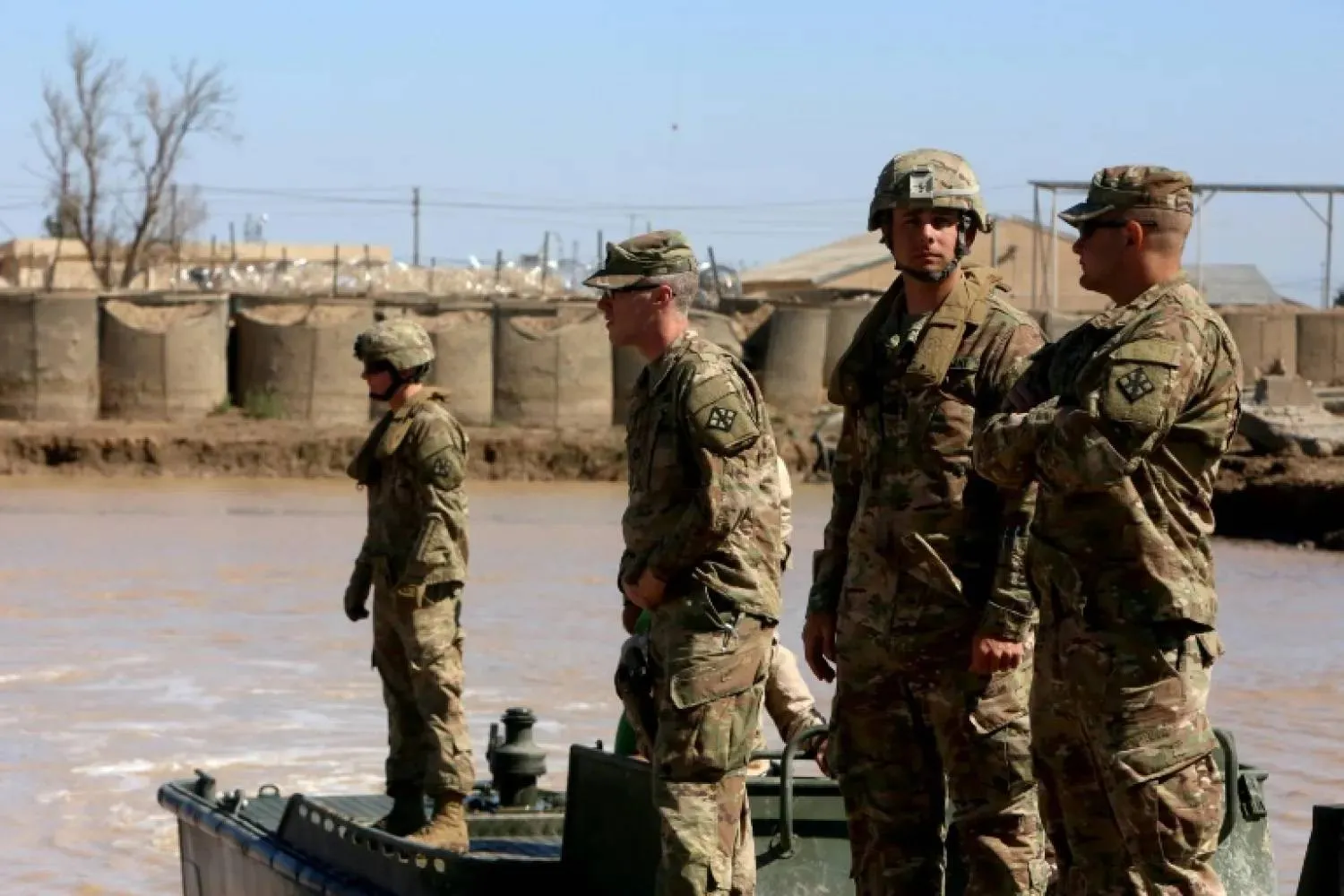
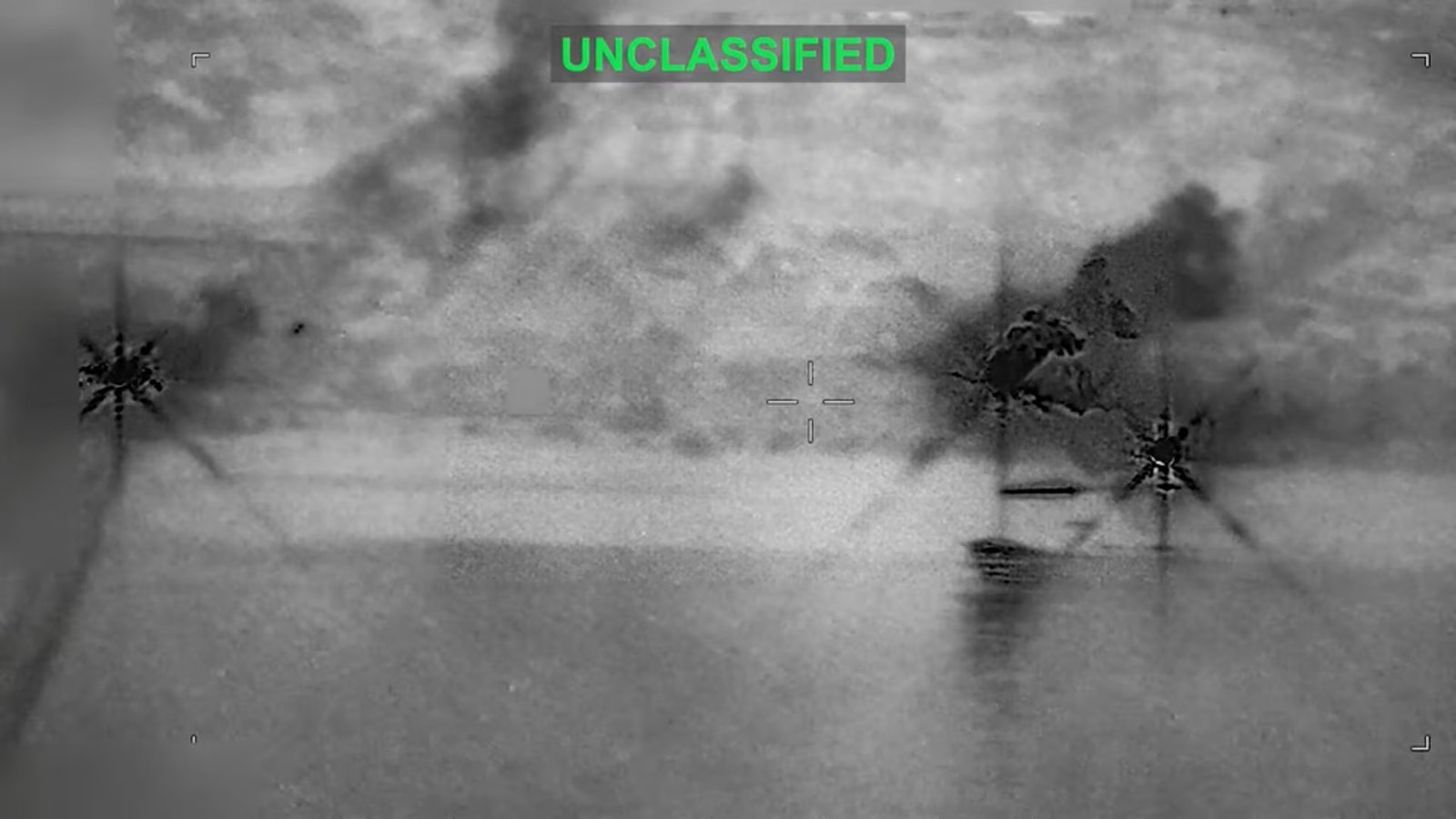
In response, U.S. Central Command (CENTCOM) carried out what it called “self-defence strikes” overnight on Tuesday, targeting Iranian air defence systems, radar installations and more than 60 Islamic Revolutionary Guard Corps (IRGC) fast boats operating along Iran’s southern coastline. U.S. officials said the operation was intended to deter further attacks on commercial shipping and protect freedom of navigation through one of the world’s busiest energy corridors.
Iran swiftly retaliated on Wednesday morning, launching drone and missile strikes against 85 U.S. military installations in Bahrain and Kuwait, according to Iranian state media. Air-raid sirens sounded across both Gulf nations as air defence systems were activated to intercept incoming threats. Authorities in Bahrain and Kuwait urged residents to remain calm while monitoring the evolving security situation.
The exchange has intensified fears of a wider regional conflict, with global leaders calling for restraint as concerns grow over the security of the Strait of Hormuz, through which roughly one-fifth of the world’s oil supply passes. Financial markets reacted cautiously, with oil prices rising amid fears of supply disruptions if hostilities continue.
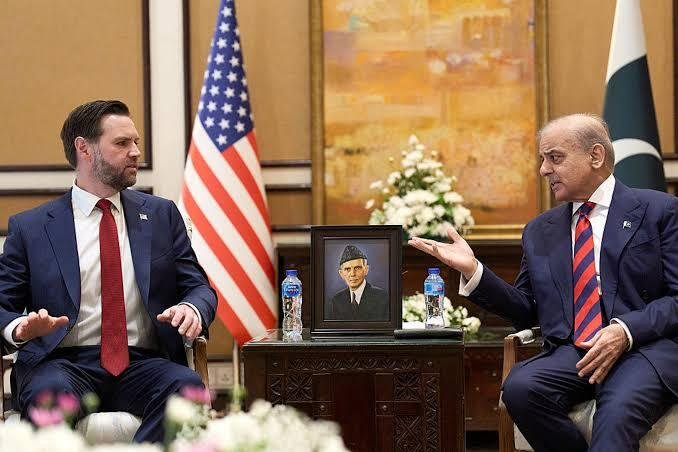
Diplomatic efforts to de-escalate the crisis remain uncertain as both Washington and Tehran accuse each other of provoking the latest confrontation, leaving the region on high alert.