








Nigeria has issued a strong diplomatic warning to South Africa following the killing of two Nigerian citizens amid renewed anti-immigrant violence, demanding a thorough investigation and justice for the victims as tensions between the two African nations continue to rise.
In a statement released by the Ministry of Foreign Affairs, the Federal Government condemned the deaths, describing them as part of a disturbing pattern of attacks against Nigerians living in South Africa. Abuja called on South African authorities to identify, prosecute and punish those responsible, warning that it could consider stronger diplomatic measures if such incidents continue.
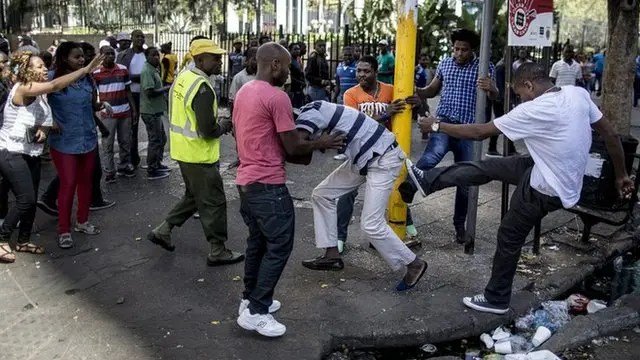
According to Nigerian officials, one victim was allegedly killed by officers of the Tshwane Metro Police during an interrogation in Pretoria, while another Nigerian businessman was shot dead by unidentified gunmen outside his shop in Mpumalanga. The government said the attacks occurred amid heightened anti-migrant protests that have targeted foreign nationals in several South African cities.
The latest violence follows weeks of anti-immigration demonstrations, during which protesters accused undocumented migrants of contributing to crime, unemployment and pressure on public services. The unrest has prompted thousands of Nigerians to register for voluntary evacuation flights, while Ghana, Malawi and other African countries have also repatriated citizens over safety concerns.
Nigeria stressed that hardworking citizens should not be unfairly profiled or blamed for South Africa’s domestic challenges. Officials urged the South African government to uphold the rights of all lawful residents and ensure the safety of foreign nationals regardless of nationality.
South African President Cyril Ramaphosa has previously condemned xenophobic violence and vowed to crack down on vigilante groups while tightening immigration enforcement. However, the latest killings have renewed scrutiny over whether authorities are doing enough to protect migrants and prevent recurring attacks.
With diplomatic pressure mounting, the incident threatens to strain relations between two of Africa’s largest economies as both governments seek to address growing concerns over security, migration and regional cooperation.