






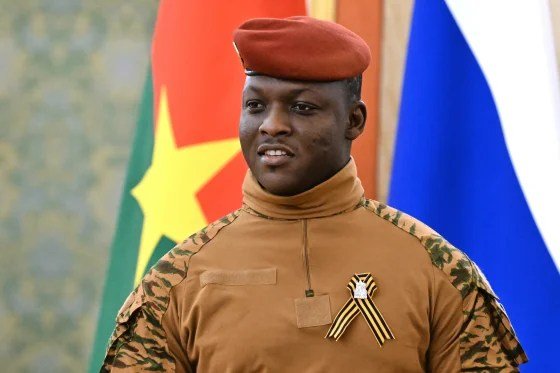
Burkina Faso has officially severed diplomatic relations with France, marking the latest and most dramatic step in the country’s break from its former colonial ruler after years of deteriorating ties.
The announcement was made on Friday by Burkina Faso’s military-led government, which said diplomatic relations with France had been terminated with immediate effect. Authorities accused Paris of violating the principles of mutual respect, sovereignty and non-interference, while also alleging that France had supported “subversive networks” and terrorist groups operating in the country, claims for which no public evidence was provided.
The decision follows several years of growing tensions under military leader Captain Ibrahim Traoré, whose government has steadily reduced French influence in Burkina Faso. Since taking power, the junta has expelled French troops and diplomats, suspended French media outlets, and strengthened ties with alternative international partners, including Russia.
France rejected the allegations, describing the decision as “hostile and unfounded.” The French Foreign Ministry expressed regret over the diplomatic break and said it is considering reciprocal measures. Paris also advised French citizens still living in Burkina Faso to exercise heightened vigilance as relations continue to deteriorate.
The diplomatic rupture comes as Burkina Faso continues battling a prolonged jihadist insurgency that has killed thousands and displaced millions across the Sahel. The military government has repeatedly argued that ending dependence on France is essential to restoring national sovereignty and improving security, despite continued attacks by armed groups.
Analysts say the move signals another major geopolitical shift in West Africa, where several military-led governments have distanced themselves from France while pursuing new security and economic partnerships. The end of formal diplomatic ties raises fresh questions about future cooperation on counterterrorism, humanitarian assistance and regional stability across the Sahel.