






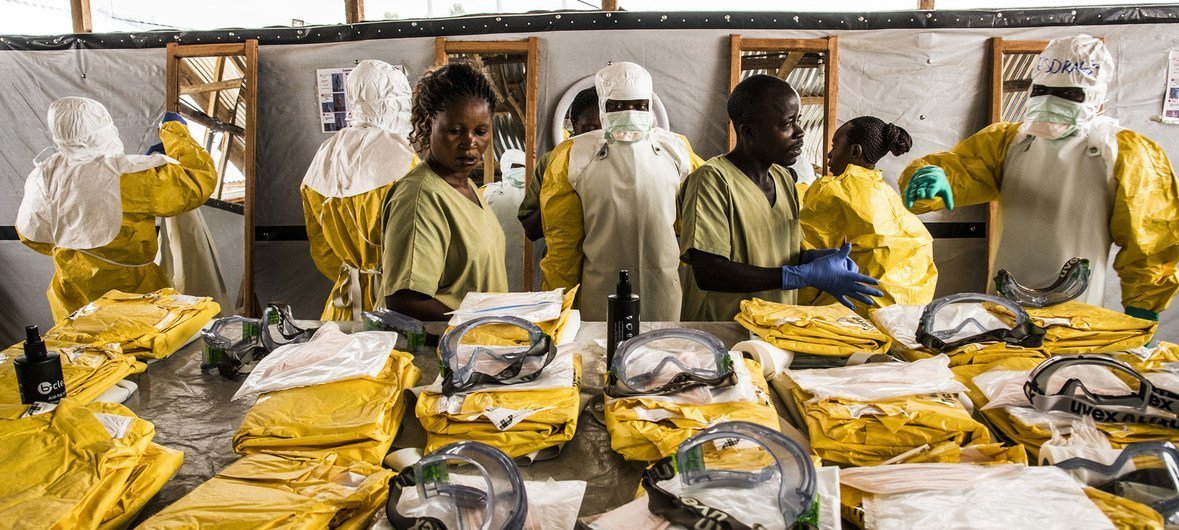
The Democratic Republic of Congo is facing a rapidly worsening Ebola outbreak with health authorities reporting that deaths have crossed the 200 mark as confirmed infections continue to rise. The outbreak has triggered fresh humanitarian concerns, with medical teams struggling to contain transmission in already fragile communities.
The latest figures show that the DRC has recorded hundreds of confirmed Ebola cases, with the outbreak linked to the Bundibugyo strain of the virus. Health officials said the situation remains serious as new infections continue to emerge, increasing pressure on hospitals, emergency responders, and public health workers.
The crisis has been particularly challenging in eastern parts of the country, where insecurity, displaced populations, and limited healthcare access have complicated efforts to trace contacts, isolate cases, and provide treatment. Some communities have faced difficulties accessing medical services, raising fears that the virus could continue spreading.
International health agencies have stepped up their response, with the United States Centers for Disease Control and Prevention announcing emergency funding support for Ebola operations in the DRC and neighbouring Uganda. The response includes strengthening surveillance, improving laboratory capacity, and supporting frontline health workers.
The outbreak has also raised concerns because the Bundibugyo strain is less common than other Ebola variants, creating additional challenges for researchers and medical teams. The World Health Organization has warned that the outbreak is occurring in a difficult environment where conflict, population movement, and weak infrastructure could make containment harder.