









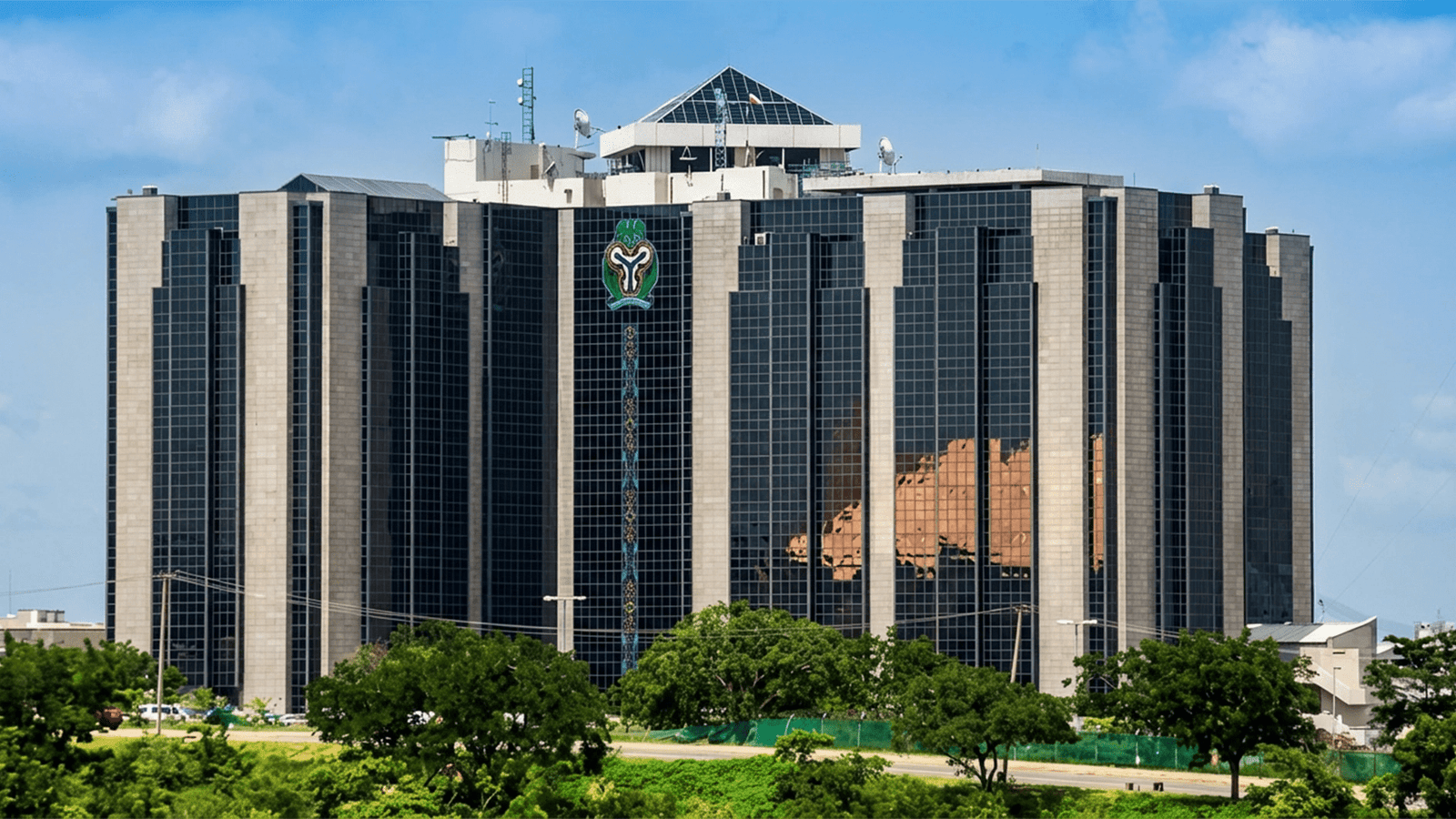
Nigeria’s financial sector is entering a new phase as the Central Bank of Nigeria (CBN) moves to strengthen control over the country’s digital payment ecosystem, while the nation’s foreign exchange position continues to improve.
The apex bank has directed banks, fintech companies, mobile money operators, and other payment service providers to store all payment transaction data generated in Nigeria on local servers. The move, which will take effect from January 1, 2027, is aimed at improving data security, regulatory oversight, and financial system resilience.
Under the new directive, financial institutions operating in Nigeria’s rapidly expanding digital payments sectors must ensure that transaction data created within the country is managed domestically and in line with Nigerian data protection laws. The CBN said the policy was introduced due to the rapid growth of electronic payments, increased reliance on digital platforms, and concerns around operational risks and market concentration.
The regulator also introduced additional measures requiring payment operators to disclose the ultimate beneficial owners of significant shareholders, while setting new rules to prevent excessive dominance by major players in the payments industry.
The development comes as Nigeria’s external reserves continue to strengthen. The country’s foreign exchange buffer increased by $1 billion within 14 days, reaching about $50.88 billion, bringing it close to the Central Bank’s projected 2026 target of $51.04 billion.
The rise in reserves is expected to boost confidence in Nigeria’s economy, improve the country’s ability to meet international obligation, and support stability in the foreign exchange market.
Economic analysts say the combination of stronger reserves and tighter control of financial data reflects a government strategy to protect economic sovereignty, improve investor confidence, and reduce vulnerabilities in the financial system.
But experts have added that maintaining reserve growth will depend on sustained foreign exchange inflows, stronger exports, improved investor activity, and continued economic reforms.