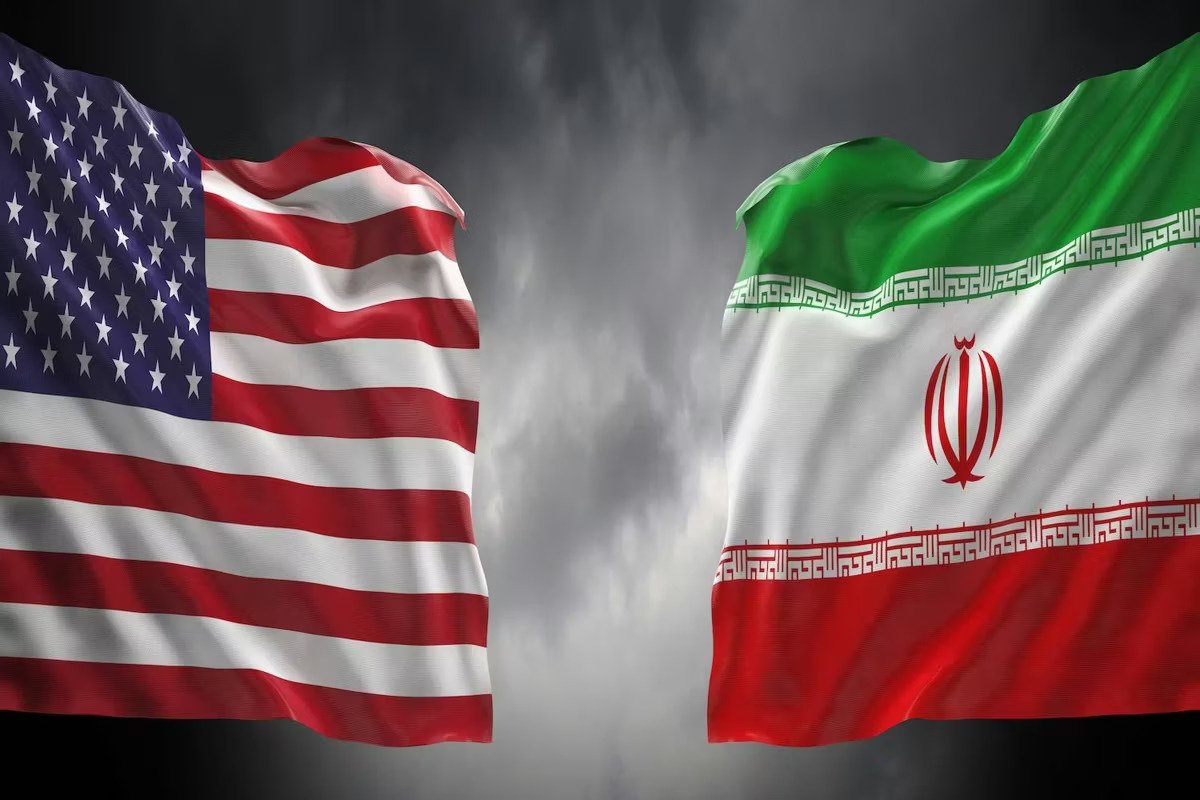
The fragile ceasefire between the United States and Iran is under renewed pressure after fresh military exchanges across the Persian Gulf, raising fears that recent diplomatic progress could unravel.
Iran’s Islamic Revolutionary Guard Corps (IRGC) claimed it carried out overnight missile and drone strikes targeting eight U.S. military facilities in Bahrain and Kuwait, including sites linked to the U.S. Fifth Fleet and Ali Al Salem Air Base. Iranian state media described the operation as retaliation for recent American strikes on Iranian military infrastructure.
U.S. officials confirmed that Iranian missiles and drones targeted American installations in Bahrain and Kuwait but disputed Tehran’s claims of major destruction. According to U.S. defense officials, there were no reported American casualties or significant damage to military facilities, while air defense systems intercepted several incoming projectiles.
The latest confrontation follows U.S. airstrikes on Iranian military sites after an attack on commercial shipping in the Strait of Hormuz, one of the world’s busiest energy corridors. Washington maintains its actions were intended to protect international maritime traffic, while Tehran accuses the United States of violating the interim peace agreement signed earlier this month.
The renewed hostilities have heightened concerns across the Gulf, with Bahrain, Kuwait and the United Arab Emirates condemning the attacks and calling for restraint. Regional governments have also stepped up security around key infrastructure amid fears of further escalation.
Although oil markets have remained relatively stable, analysts warn that continued fighting around the Strait of Hormuz, which handles roughly one-fifth of global oil shipments, could quickly disrupt energy supplies and derail ongoing diplomatic efforts.
Leave a Reply