







The world held its breath this week as tensions in the Middle East reached new and alarming heights, with Iran, Israel, and the United States locked in a dangerous escalation that threatens to drag the entire region into open war.
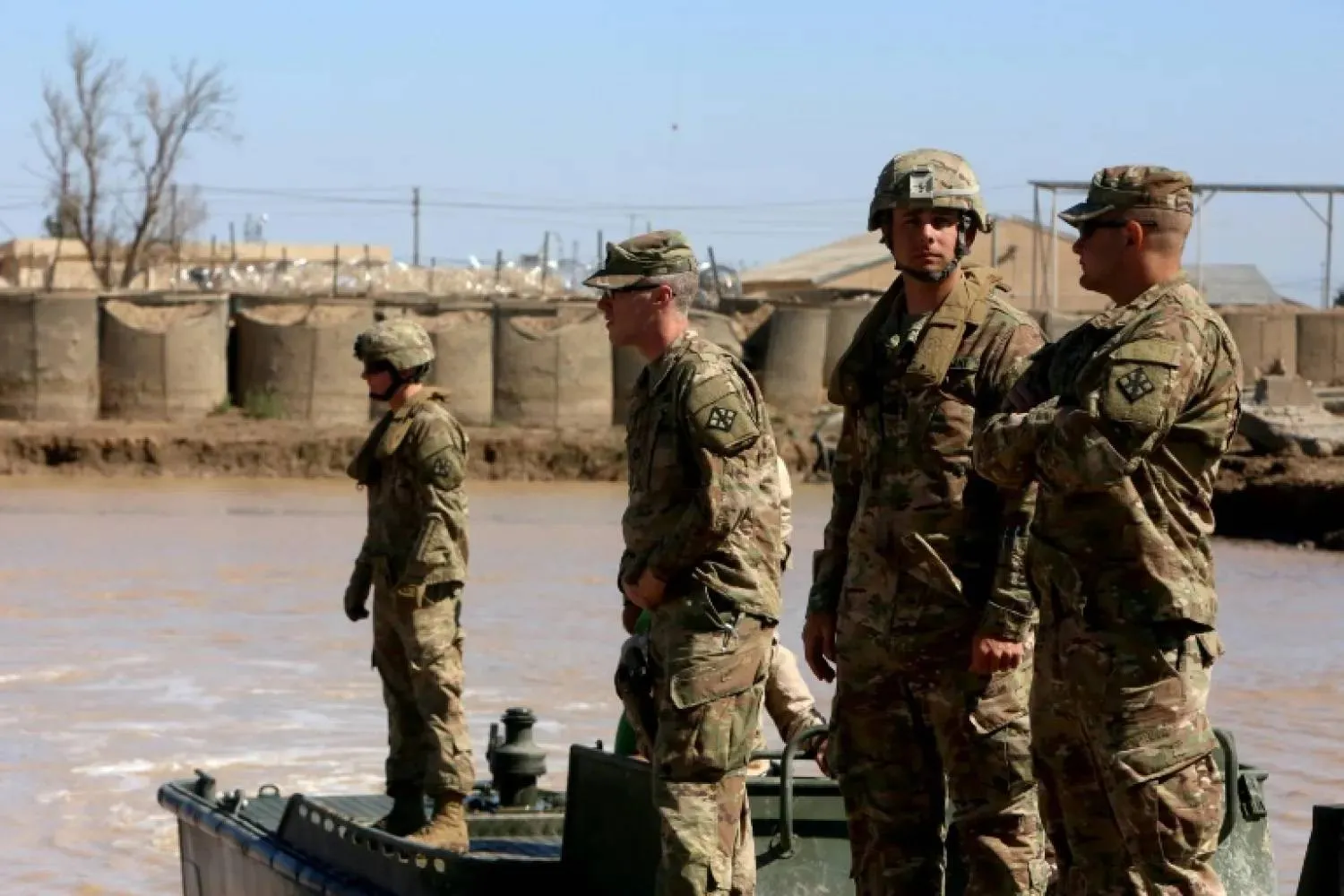
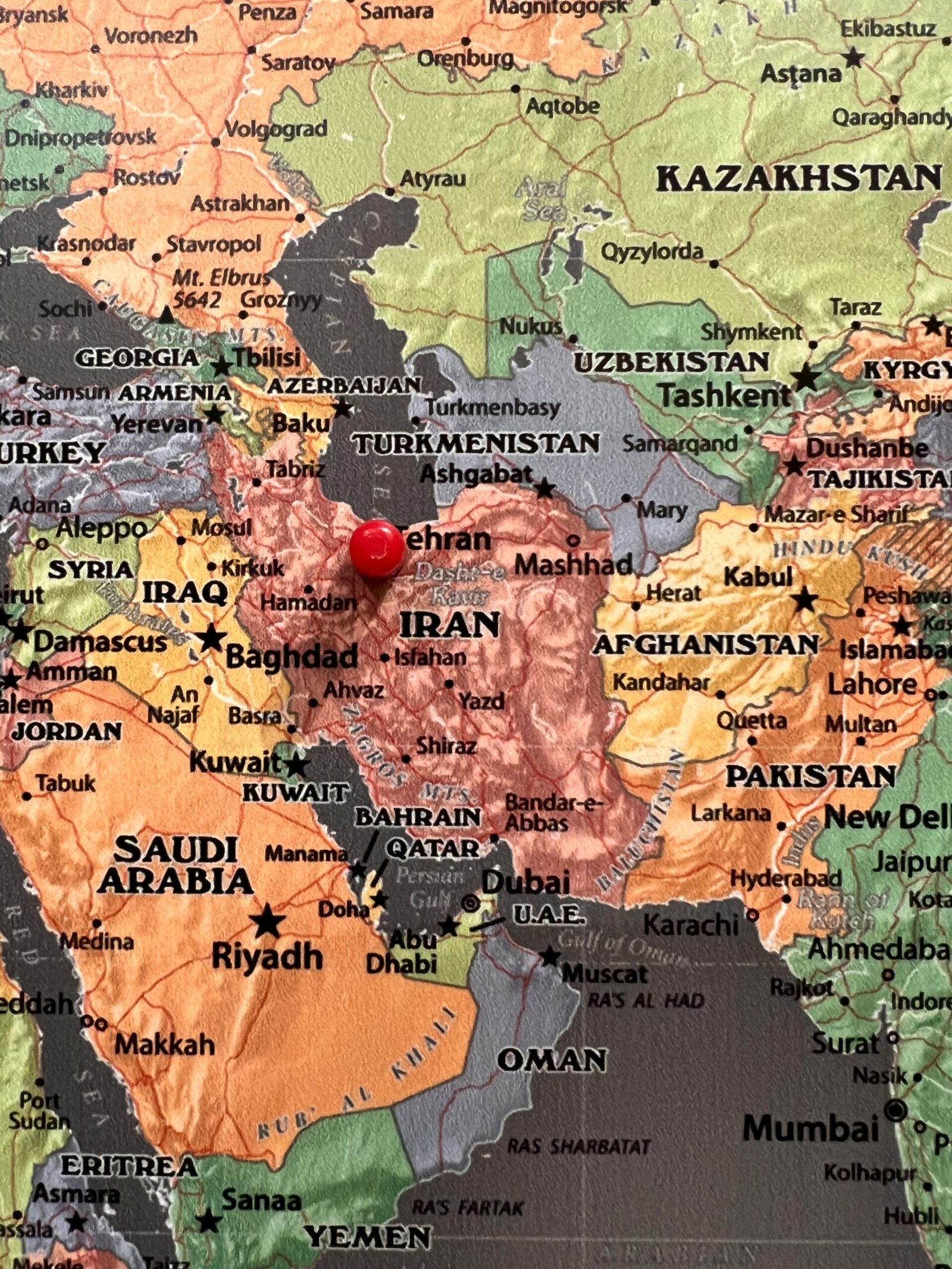
Iran fired missiles toward Kuwait and Bahrain, with two of those fired at Kuwait falling apart en route while those aimed at Bahrain were intercepted by the US Central Command. In response, American forces struck an Iranian military facility, raising fears of a direct military confrontation between Washington and Tehran.
The situation in Lebanon is equally volatile. Lebanese President Joseph Aoun said that an agreement on implementing a ceasefire announced in Washington after talks with Israel was the “last chance” to reach a comprehensive truce. Meanwhile, the UN peacekeeping mission for Lebanon reported that one peacekeeper was killed and others wounded when they came under mortar fire in southeastern Lebanon.
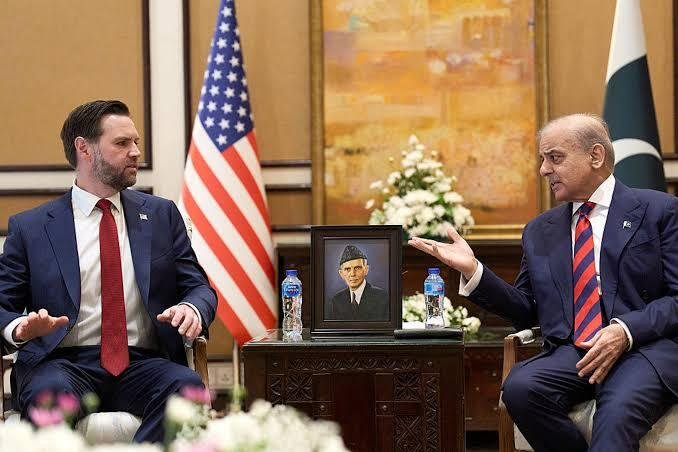
On the diplomatic front, things are unravelling just as fast. Iranian diplomats suspended talks with the United States after warning that Israel’s attacks on Lebanon and Gaza could doom ongoing ceasefire negotiations. Iranian Foreign Minister Abbas Araghchi said the US had already violated its ceasefire with Iran when it imposed a naval siege on Iranian ports.
Meanwhile in Russia, President Vladimir Putin said Russia will strengthen its air defenses to counter recent Ukrainian drone attacks, which have reached deep inside the country and cast a shadow over his showcase economic forum in St. Petersburg.
The world is watching multiple crises unfold simultaneously. For Africa — and Nigeria in particular — the ripple effects of Middle East instability are already being felt in rising fuel prices and supply chain disruptions. What happens next in Tehran, Tel Aviv, and Washington will matter far beyond their borders.