At least 20 people have been killed after gunmen ambushed a convoy of traders travelling to a market under military escort in Zamfara State, northwestern Nigeria. The attack, which happened on Saturday, October 10, 2026, also left 19 people wounded, according to Reuters.
The incident raises fresh concerns about the safety of commercial travel in a region where armed groups regularly attack communities, abduct residents and demand ransom payments. It also shows the risks facing security personnel assigned to protect civilians on vulnerable roads.
Security Personnel Among The Dead
The attack occurred at about 2 p.m. as the convoy travelled from Gwashi towards Nasarawa market in Bukkuyum Local Government Area, according to local resident Musa Danladi, who spoke to Reuters.
Danladi said he helped retrieve the bodies after the shooting. Among those killed were four soldiers, three police officers, one Nigeria Security and Civil Defence Corps officer and 12 civilians.
A military source confirmed the attack and reported that 19 people had been wounded. Military and police authorities had not immediately responded to Reuters’ requests for comment.
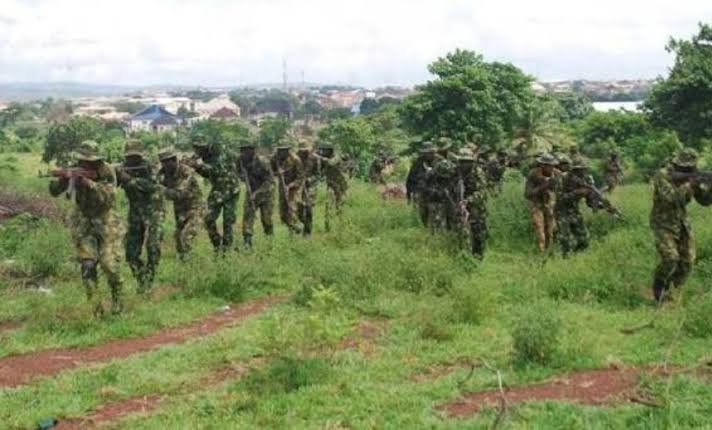
The Zamfara traders convoy attack is particularly troubling because the traders were travelling with a military escort. The presence of security personnel did not prevent the ambush, and the reported deaths among the escort highlight the dangers faced by officers protecting road users in high-risk areas.
Why Market Journeys Remain Dangerous
Markets are important to rural communities because they connect farmers, traders and buyers. When armed groups attack people travelling to these markets, the impact can extend beyond the immediate loss of life.
Fear of attacks can discourage traders from travelling, disrupt the movement of food and other goods, and make it harder for rural families to earn an income. If insecurity persists, communities may face higher transport costs and reduced access to essential supplies.
Zamfara and other parts of northwestern Nigeria have experienced repeated attacks by armed groups commonly described as bandits. These groups have carried out killings, kidnappings for ransom and raids on rural settlements.
Security Response Faces Another Test
The latest incident adds to pressure on security agencies to improve protection for civilians travelling through vulnerable areas. The attack also raises questions about how convoy escorts are planned and how authorities can respond to threats along routes used by traders.
However, details about how the attackers carried out the ambush, their identities and their motive have not been established in the available reporting. No group had publicly claimed responsibility in the Reuters report.
Authorities will need to investigate the attack, establish the circumstances surrounding the deaths and determine what additional protection is required for communities and travellers.
The Wider Cost Of Insecurity
For residents of Zamfara, the consequences of violence go beyond individual attacks. People must continue to work, trade and travel despite the risk of being caught in armed violence.
The deaths of civilians and security personnel in this latest ambush underline the urgent need to make everyday journeys safer. Protecting market routes is not only a security issue. It is also important for local businesses, food distribution and the livelihoods of communities already living under the threat of violence.