Nigeria’s economy is showing signs of improvement, with growth reaching 4.2% in the first half of 2026, state revenues rising by 93% in real terms and Fitch Ratings revising the country’s economic outlook to positive. However, the next challenge is ensuring these gains lead to better living conditions for Nigerians.
The World Bank reported the growth figures in its October 2026 Nigeria Development Update. Fitch announced its positive outlook revision on October 9, citing monetary and foreign exchange reforms, stronger external reserves and improved economic stability.
World Bank Reports Stronger Economic Growth
The World Bank Nigeria growth forecast for 2026 points to continued improvement if the government maintains its economic reforms. Nigeria’s economy grew by 4.2% in the first half of the year, compared with 3.9% during the same period in 2025.
The World Bank expects the economy to grow by 4.3% in 2026 and average 4.4% annually between 2026 and 2028. Services and agriculture supported the recent growth, while foreign exchange reforms and higher oil earnings helped strengthen the country’s external position.
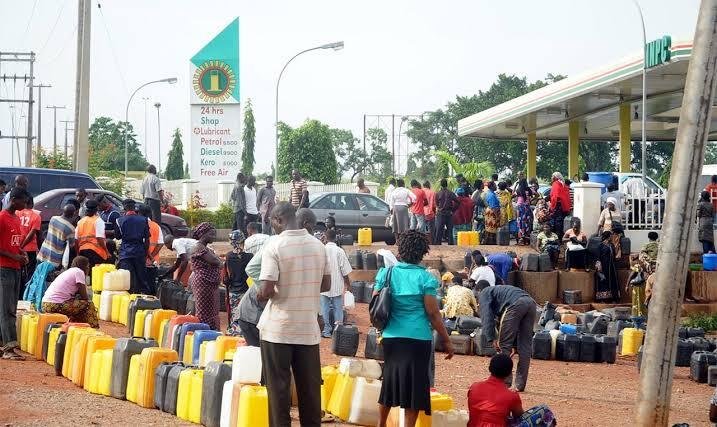
The bank also reported that Nigeria’s foreign exchange reserves exceeded $54 billion in September. However, higher global fuel prices and food costs have slowed progress in reducing inflation, meaning many households still face pressure on their budgets.
Fitch Positive Outlook Signals Greater Confidence
The Fitch positive outlook for Nigeria in October 2026 suggests the rating agency sees a stronger chance of improvement in the country’s credit rating if current progress continues.
Fitch affirmed Nigeria’s long-term issuer default rating at ‘B’ while changing the outlook from stable to positive. The agency cited greater flexibility in the naira exchange rate, improving inflation trends and foreign exchange reserves that reached $54.9 billion in September.
A positive outlook is not the same as an immediate credit rating upgrade. It signals that Fitch may consider an upgrade if Nigeria sustains its reforms and manages the risks facing the economy.
State Revenues Rise, But Spending Choices Matter
The 93% rise in Nigeria’s state revenues is another major finding in the World Bank report. State revenues increased in real terms between 2023 and 2025, giving governments more money to invest in public services and infrastructure.
States increased the share of their spending devoted to capital projects from 46% to 61%. However, education’s share of total state expenditure fell from 14.9% in 2021 to 12.1% in 2025. Health spending remained broadly stable at around 7%.
This creates an important challenge for state governments. Higher revenues can fund roads, transport and other projects, but long-term development also depends on schools, healthcare and services that improve people’s ability to work and earn more.
Will Nigerians Feel The Economic Gains?
Nigeria’s stronger economic figures may improve investor confidence and make it easier for businesses to plan for the future. But the benefits will depend on whether reforms support job creation, reduce inflation and improve household purchasing power.
The World Bank has stressed that better public spending and accountability are needed to turn higher revenues into improved living standards. Fitch has also highlighted continuing risks, including weak governance, security challenges and dependence on oil revenues.
Nigeria has made progress in stabilising its economy, but growth figures and credit outlooks tell only part of the story. The real test is whether stronger public finances lead to more jobs, better services and a lower cost of living for ordinary Nigerians.