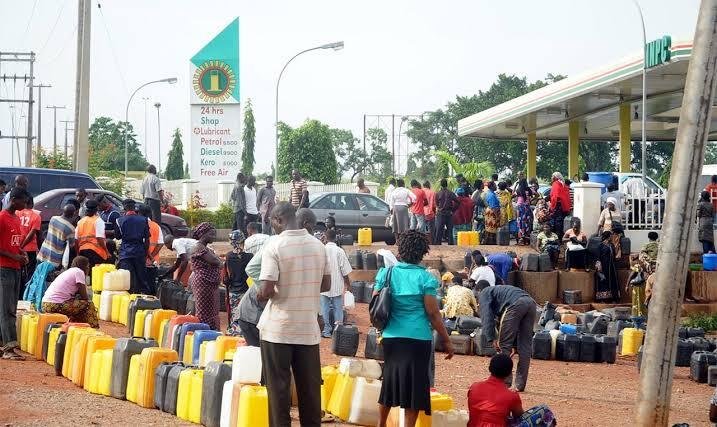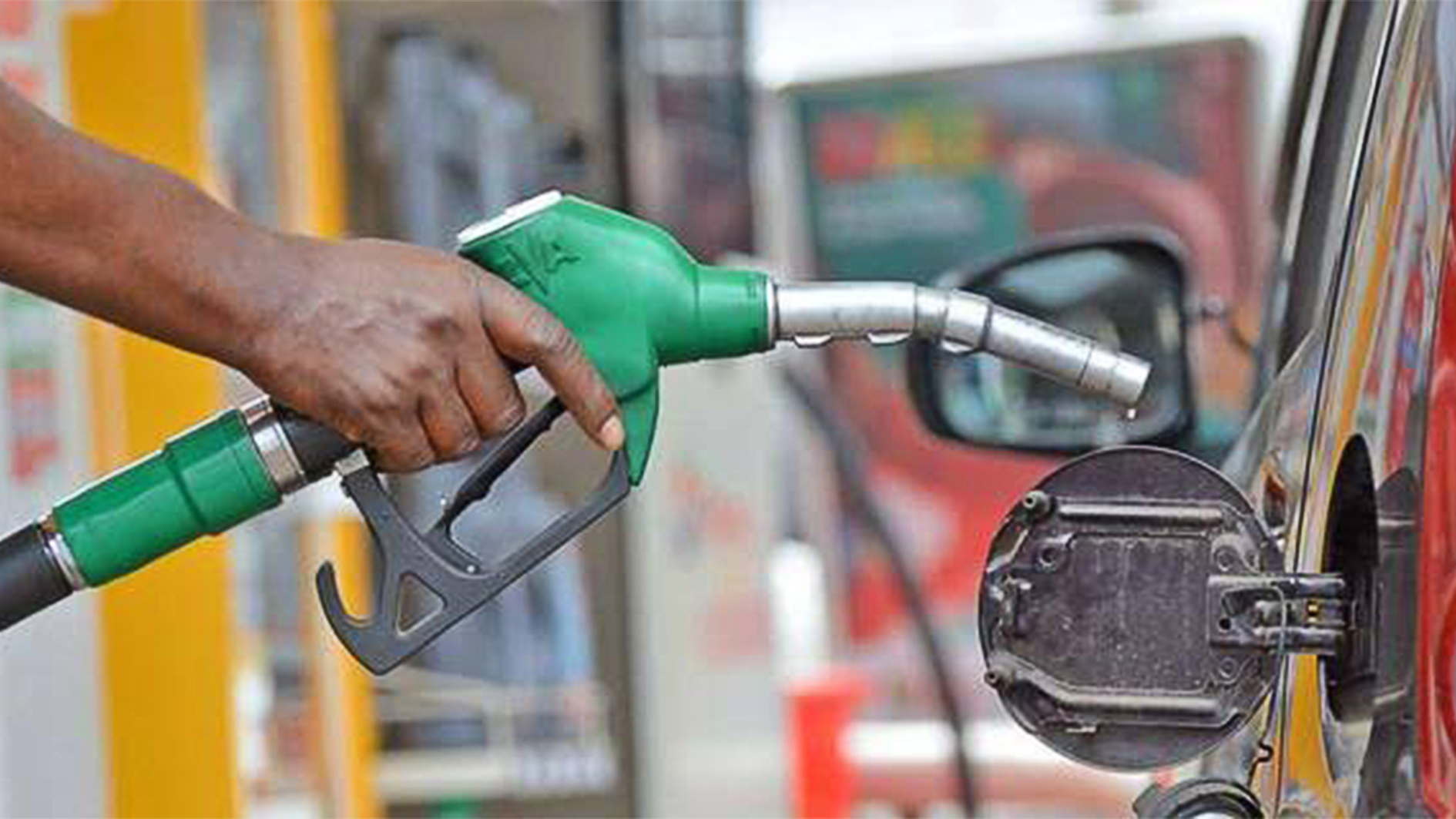
The Federal Government’s 30-day petrol discount in Nigeria has triggered political criticism and questions about whether the intervention will provide meaningful relief from high fuel prices or simply delay the pressure on households.
Announced on Thursday, October 8, the measure will see the Nigerian National Petroleum Company Limited (NNPC) temporarily give up its retail profit margin and sell petrol at cost for an initial 30 days. Public transport operators will receive priority under the arrangement, which the government says is intended to reduce the impact of rising global oil prices. The Presidency confirmed that the initiative has President Bola Tinubu’s backing.
What The Government’s Petrol Discount Actually Means
The NNPC petrol discount in October 2026 is limited to NNPC retail stations. The government says the company will forgo its profit margin rather than restore the blanket petrol subsidy that ended in May 2023.
The government is also negotiating a ceiling of ₦1,350 per litre on petrol’s landing or ex-gantry cost. This is not a confirmed nationwide pump price of ₦1,350. The exact discount motorists will receive at NNPC stations had not yet been finalised in the latest reports.
Finance Minister Taiwo Oyedele said the broader plan is designed to reduce sharp price changes as global crude prices and exchange rates fluctuate. Other measures include forward crude sales to domestic refineries, expanded compressed natural gas use and support for vulnerable households.
Why Opposition Figures Are Rejecting The Plan
The Tinubu petrol discount backlash began almost immediately after the announcement.
Former Vice-President Atiku Abubakar described the intervention as a publicity stunt, arguing that one month of relief would not solve the wider cost-of-living crisis. He also questioned why the discount was limited to NNPC stations and whether transport operators would pass their savings on to passengers.
The Obidient Movement and other opposition groups also criticised the timing, suggesting the measure could be linked to the 2027 general elections. These are their political assessments, while the government maintains that its priority is to cushion households against global fuel-price volatility.
The Bigger Question Is Who Pays For The Relief
The Nigeria fuel subsidy debate in 2026 centres on how the discount will be financed and whether it could create costs elsewhere in the economy.
The government insists that NNPC is giving up its retail margin, not bringing back the old subsidy system. However, energy experts have warned that if the company sells below its economic cost and later receives government compensation, the arrangement could create a subsidy-like financial burden. They have called for clear disclosure of the discount, its funding, the total cost and how the benefits will reach consumers.
There is also a practical question about transport fares. Even if commercial drivers buy petrol more cheaply, passengers may not benefit unless operators reduce their fares.
What Happens After The 30 Days?
The Nigeria 30-day petrol discount will face its biggest test when the initial period ends. If global oil prices remain high, the government will have to decide whether to extend the measure, adjust it or allow market prices to rise again.
For households and businesses, the important issue is not only whether petrol becomes cheaper for a month. It is whether the intervention can reduce transport and distribution costs without creating another long-term burden on public finances.
The government has presented the discount as temporary relief, not a return to blanket subsidies. Its success will depend on transparent costs, clear implementation and evidence that ordinary Nigerians actually benefit.