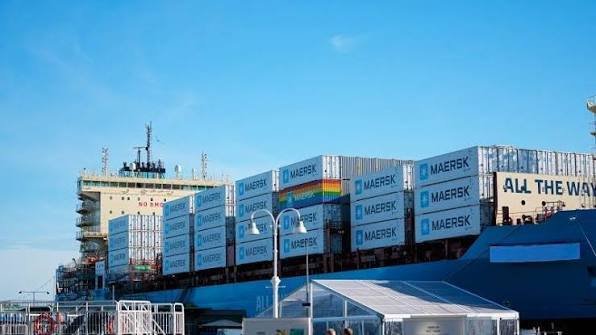
Global shipping giant Maersk is raising its emergency fuel surcharge to 20% from October 12, adding another cost pressure to international trade as attacks on vessels in the Gulf and around the Strait of Hormuz continue.
The Danish shipping company announced the increase on Thursday, October 8, saying rising fuel costs and instability in the Middle East had made the adjustment necessary. Maersk said it would continue reviewing the surcharge as conditions change.
The decision shows how a conflict thousands of kilometres away from many of the world’s biggest consumer markets is increasingly affecting the cost of moving everyday goods.
Why Maersk Is Increasing Its Fuel Surcharge
The Maersk fuel surcharge in October 2026 is being raised as attacks on maritime shipping increase risks for vessels operating in the Gulf and Strait of Hormuz.
The Strait is particularly important because it previously carried about one-fifth of global oil and fuel shipments. Reuters reported on October 8 that only seven commodity vessels passed through the waterway on October 6, the lowest level in more than two months. Oil flows through the strait had also fallen 27% to about 10.1 million barrels per day.
Fewer ships using the route means carriers face higher fuel, insurance, security and routing costs.
The Cost Is Moving Beyond Oil Markets
The Maersk 20% fuel surcharge is significant because shipping is an important part of the global supply chain.
Higher fuel costs increase the expense of operating container vessels, while companies may also have to take longer or more complicated routes to avoid dangerous areas. Maersk had already introduced emergency freight charges for some Gulf-bound cargo, including an additional $1,000 per container for vessels transiting the Strait of Hormuz.
That means importers and exporters could face higher logistics bills even when the underlying demand for their products has not changed.
Reuters previously reported that container shipping rates from Asia to the United States had nearly doubled after the Iran conflict began, with bunker fuel prices also rising sharply.
Businesses May Pass The Costs To Consumers
The biggest concern surrounding the Middle East conflict and shipping costs is what happens if higher freight expenses last for months.
Importers may absorb some of the increase, but companies selling products with thin profit margins could pass additional transport costs to customers. Manufacturers may also face higher costs for raw materials and components arriving from overseas.
That could add to inflation at a time when many economies are already dealing with expensive energy.
Other shipping companies are facing similar pressures. CMA CGM, for example, announced its own emergency fuel surcharge after fuel prices rose sharply because of instability around the Strait of Hormuz and Bab el-Mandeb.
What Happens Next?
The Maersk emergency surcharge from October 12 is not necessarily permanent. The company says it will review the charge regularly as fuel prices and security conditions change.
That makes the Middle East conflict a major factor for global shipping over the coming weeks. If attacks decline and fuel supplies stabilise, shipping costs could ease. If the security situation worsens, more carriers could introduce or increase emergency charges.
For businesses, the message is already clear: the cost of the conflict is no longer limited to oil markets. It is increasingly showing up in the price of moving goods around the world.