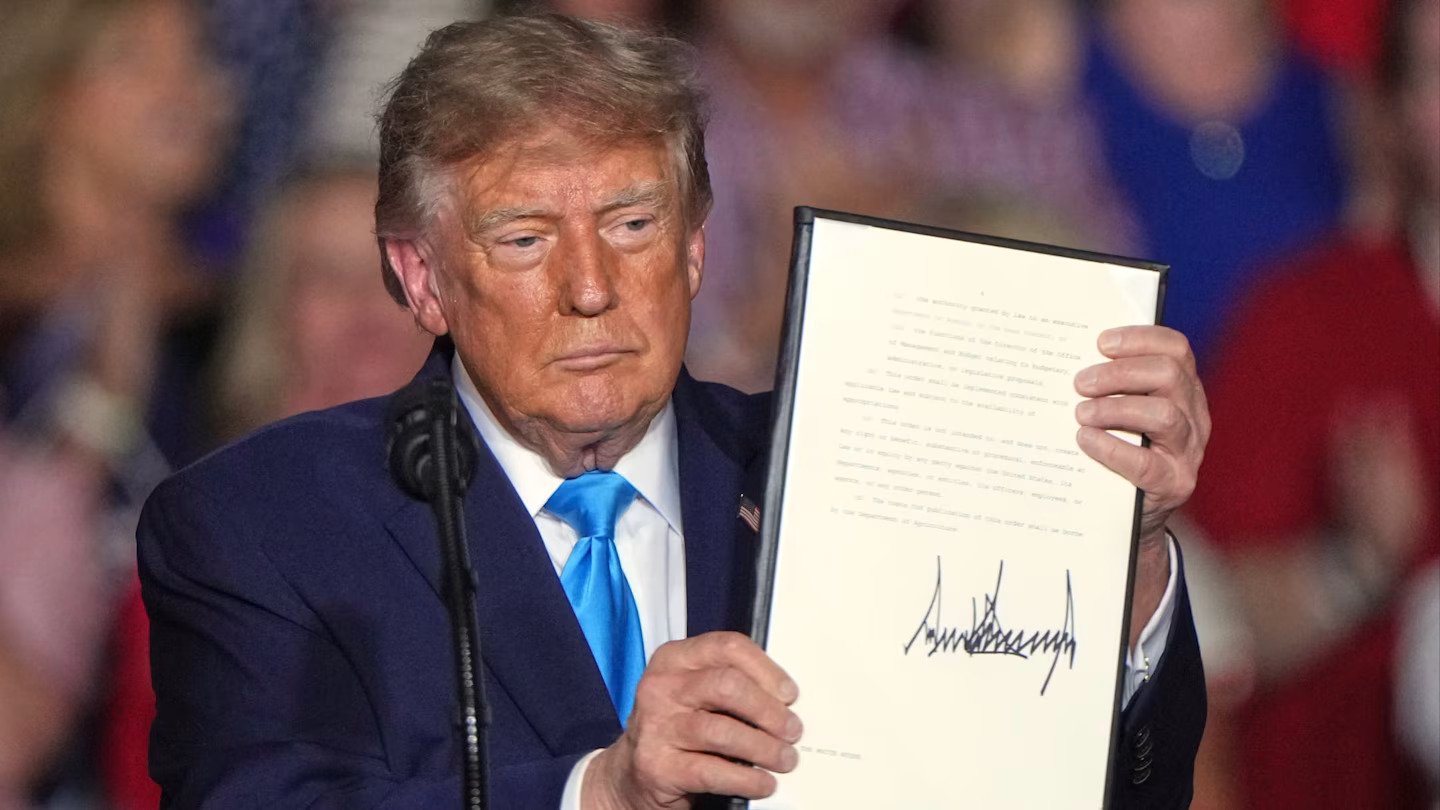
US President Donald Trump has signed an executive order temporarily expanding access to tax-exempt red-dyed diesel as rising fuel prices put pressure on American farmers, truckers and consumers.
Trump signed the Trump red diesel executive order on October 5 during a rally in Grand Island, Nebraska. The move allows dyed diesel normally reserved for off-road use to be used on highways while the federal tax obligations on that fuel are temporarily deferred.
Why Trump Is Making the Move
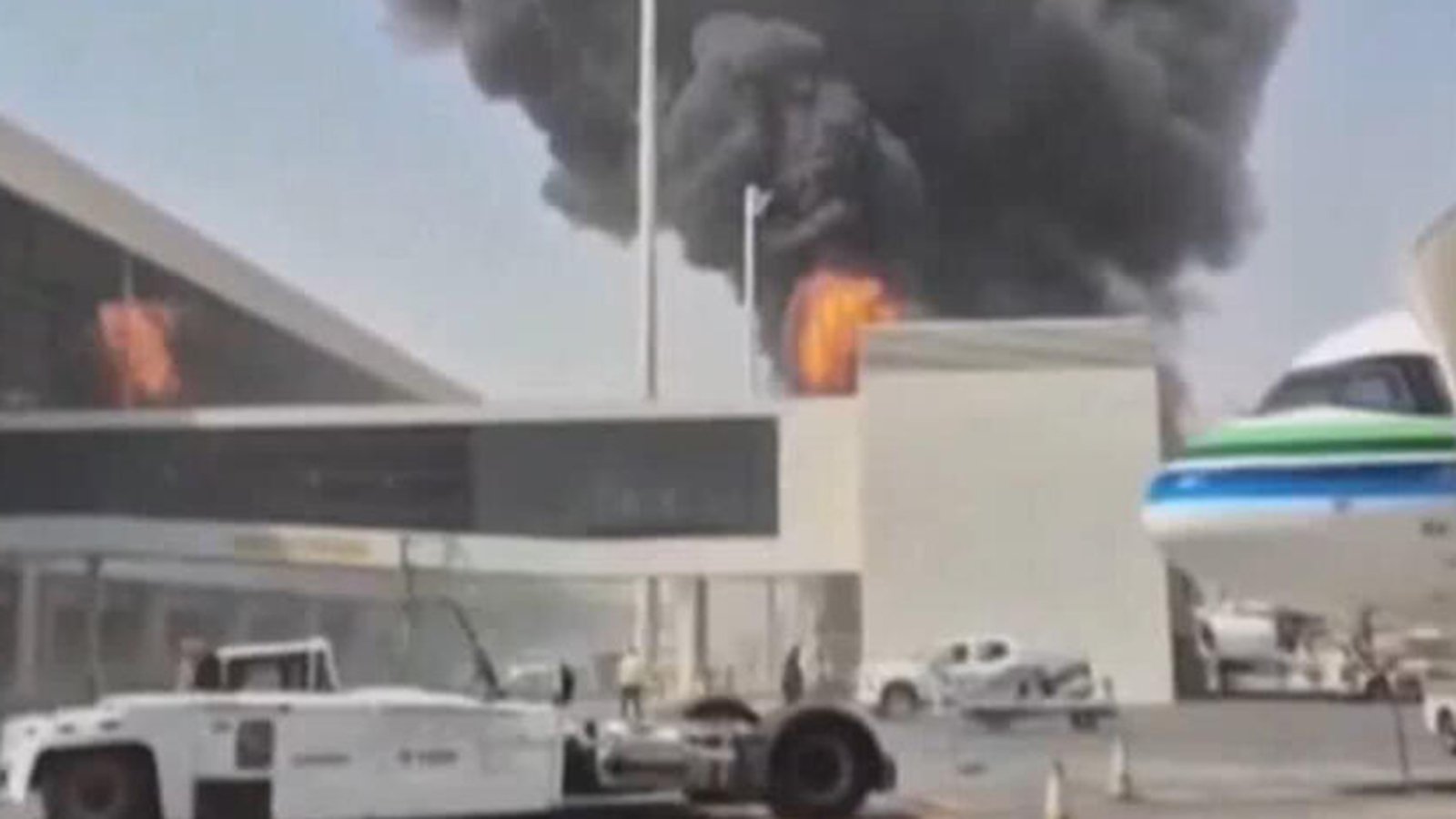
Diesel prices have climbed sharply as global fuel supplies have tightened, with the Iran war adding pressure to an already difficult energy market.
The White House says the temporary relief is aimed at putting money back into the pockets of farmers, truckers and other workers who depend heavily on diesel. The federal diesel tax is 24.4 cents per gallon, meaning the tax deferral could provide immediate savings for some users.
The policy is scheduled to cover fuel used from October 5 through December 31, 2026, subject to Treasury’s determination of the legal conditions for the relief.
What Is Red-Dyed Diesel?
Red-dyed diesel is essentially diesel fuel marked with red dye to show that it is intended for uses that are normally exempt from highway fuel taxes.
It is commonly used by farmers, construction operators and other off-road users. Under Trump’s new order, the federal government will temporarily stop imposing certain penalties when dyed diesel is used on highways during the relief period.
However, the order is more complicated than simply declaring all red diesel permanently tax-free. Treasury must determine how the tax deferral will work, while Trump has directed officials to explore ways of eliminating the deferred tax obligation altogether.
Will It Actually Lower Diesel Prices?
That is the biggest question surrounding the policy.
The tax relief can reduce the amount some truckers and other road users pay, but it does not create more diesel or increase refinery output. Energy analysts have argued that the current price problem is heavily connected to supply rather than taxes.
That means the policy could provide short-term relief without solving the underlying supply problem.
The White House says the measure could save a typical trucker more than $100 per fill where state and federal measures are combined. But the actual savings will depend on implementation and whether individual states adopt matching policies.
The Politics Behind the Fuel Move
The timing is also difficult to ignore. Trump signed the fuel price relief order in Nebraska during a campaign rally, with the US midterm elections approaching. The administration is under pressure over the cost of living, while Republicans are trying to defend vulnerable seats.
That makes the order both an economic intervention and a political message. Trump is telling voters that his administration is taking direct action on one of the costs they feel most immediately.
For now, the measure gives truckers and other highway diesel users a temporary break. But if the Iran war continues to disrupt global fuel supplies, the White House may face pressure for measures that go beyond tax relief.