






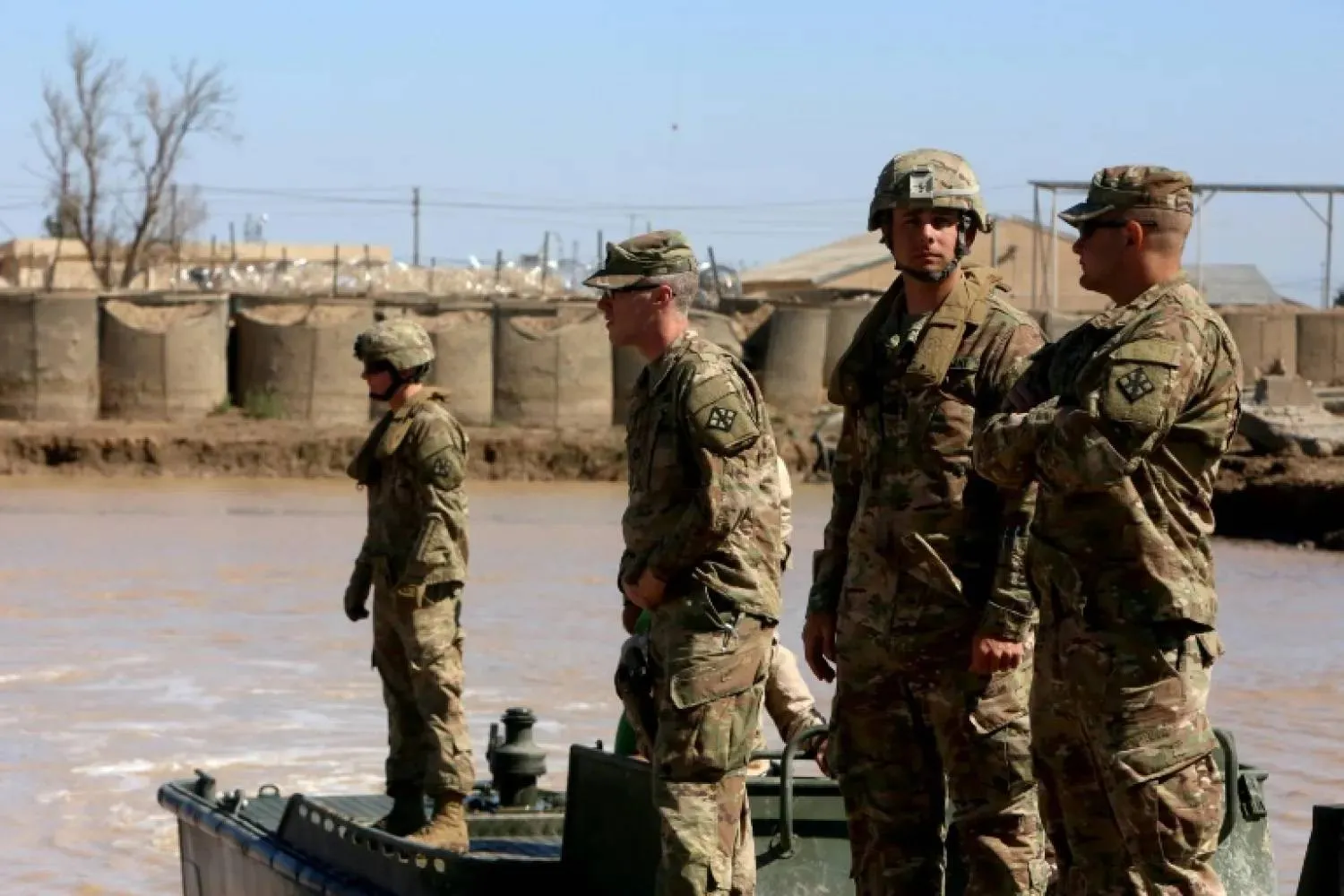
The US-led coalition withdrawal from Iraq 2026 has formally ended, closing a 12-year military mission against ISIS and putting Iraqi forces at the centre of the country’s security strategy. The final coalition forces and equipment left Erbil Air Base on Wednesday, September 30, as part of an agreement reached between Washington and Baghdad.
The move is more than a troop withdrawal. It marks a shift from an international military operation to a security relationship in which Iraq is expected to take primary responsibility for protecting its territory.
Why US Troops Are Leaving Iraq
The US military withdrawal from Iraq follows an agreement reached in 2024 to end the coalition’s military mission by the end of 2026. The coalition was created in 2014 after ISIS captured large parts of Iraq and Syria.
Over the years, the operation helped Iraqi and Kurdish forces push ISIS out of the territory it controlled. The Pentagon now says ISIS no longer represents an organised military threat in Iraq, although remnants of the group remain.
The withdrawal therefore reflects the changing nature of the threat. Iraq’s security forces, including the army, counterterrorism forces and Kurdish Peshmerga, are now expected to lead operations against remaining ISIS cells.
Iraq Faces A New Security Test
The Iraq coalition withdrawal latest news comes with important questions about what happens after foreign troops leave.
Washington says its military mission has ended, but the relationship has not. The US plans to continue targeted training and intelligence support for Iraqi partners. Iraqi officials have also described the change as a move towards deeper bilateral security cooperation rather than a complete break with Washington.
That distinction could become important if ISIS remnants become more active or Iraq faces attacks from armed groups operating outside direct government control.
There are also concerns about Iraq’s ability to defend itself from drones and missiles. Kurdish officials have warned about vulnerabilities in the Kurdistan region following the removal of some US defensive systems.
What The US Exit Means For The Region
The end of Operation Inherent Resolve also changes the wider regional balance. US forces have been targeted by Iran-backed militias in Iraq, while Tehran-linked groups have welcomed the American departure. Analysts cited by Reuters have warned that the withdrawal could give such groups greater room to operate and create opportunities for ISIS to rebuild.
At the same time, Iraq’s government has been trying to bring armed groups more firmly under state control. Prime Minister Ali al-Zaidi has pushed for weapons to be placed under government authority, with a broader deadline now extending into 2027.
For Baghdad, the immediate challenge is balancing sovereignty with security. Iraq now has greater control over its military space, but it must also demonstrate that its forces can contain ISIS remnants, manage armed factions and respond to regional threats without relying on a large foreign military presence.
The withdrawal closes one chapter of the Iraq war. What follows will depend largely on how effectively Iraqi institutions use the security responsibility they have now inherited.