









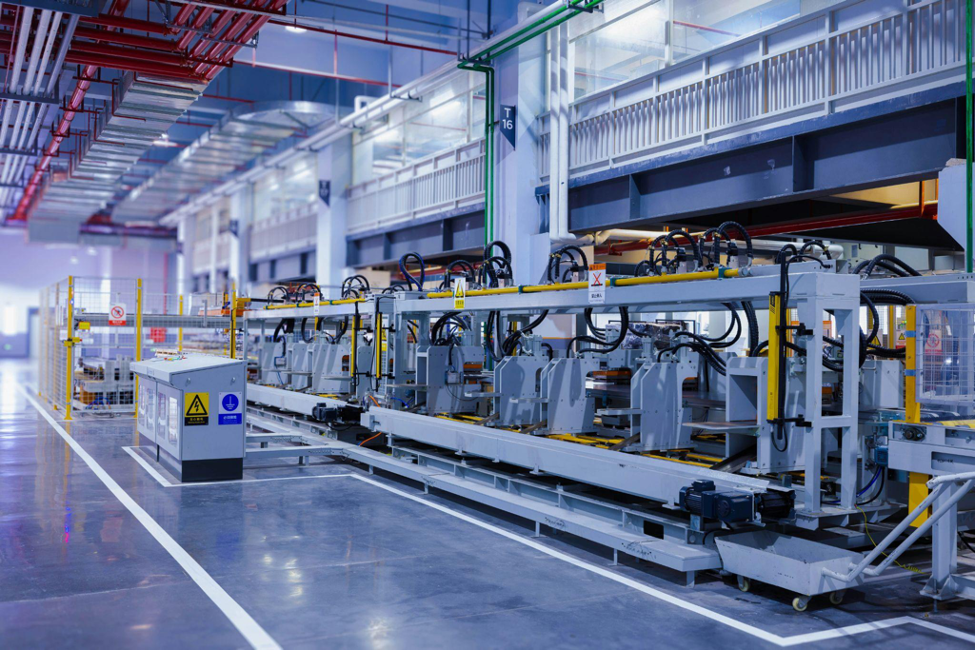
Nigeria’s manufacturing sector recorded its strongest business performance of 2026 in August, according to the latest Business Confidence Monitor from the Nigerian Economic Summit Group (NESG).
The improvement was part of a wider recovery in business activity. Nigeria’s Current Business Performance Index rose from 108.6 points in July to 112.7 points in August, its highest level since February. Manufacturing recorded the strongest performance among the sectors measured.
But the bigger story is that manufacturers are expanding while many of the problems that make production expensive in Nigeria remain.
Food, Beverages and Pharmaceuticals Drive the Expansion
The NESG manufacturing sector report points to stronger activity across important parts of the manufacturing economy, particularly food and beverages, chemicals and pharmaceuticals.
That matters because these are industries closely linked to everyday Nigerian demand. Food and beverage companies serve a large domestic market, while pharmaceutical and chemical production can reduce dependence on imported products if local capacity continues to grow.
The broader improvement also included stronger demand, exports, financial results, access to credit, cash flow and employment, according to NESG.
This suggests that the August expansion was not simply about factories producing more. Businesses were also reporting improvements in some of the conditions needed to keep operations running.
Growth Is Happening Despite Serious Cost Pressures
The encouraging numbers come with an important warning. NESG said businesses continue to face inadequate electricity, financing constraints, insecurity and rising operating costs. These pressures can quickly reduce the benefits of higher demand if manufacturers cannot maintain production at profitable costs.
This creates an unusual picture for the Nigerian manufacturing sector in 2026. Businesses are finding room to expand, but the environment is still expensive and difficult.
The challenge for policymakers is therefore no longer only how to encourage manufacturing growth. It is how to make that growth easier to sustain.
Can the Manufacturing Boom Last?
The August figures provide a positive signal, but one strong month does not guarantee a long-term manufacturing recovery.
NESG’s longer-term outlook shows that Nigerian manufacturing had already entered an expansionary phase during parts of 2025, although overall sector growth remained modest. The organisation has previously highlighted food, beverages and tobacco, textiles, apparel and footwear, and cement among the major drivers of manufacturing activity.
The next test will be whether manufacturers can keep expanding as electricity costs, financing conditions, infrastructure gaps and other operating pressures remain high.
If the trend continues, stronger manufacturing activity could mean more jobs, greater local production and less dependence on imported goods. For now, August offers evidence that Nigerian businesses are still finding ways to grow despite the difficult operating environment.