










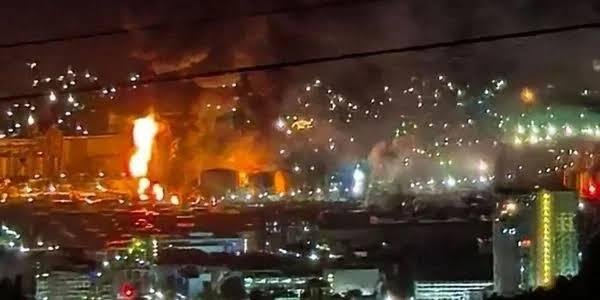
Ukraine has carried out what its Special Operations Forces described as its deepest drone strike inside Russia, hitting major gas facilities more than 3,000 kilometres from the Ukrainian border.
The September 9 operation targeted the Novy Urengoy and Purovsky gas condensate plants in Russia’s Yamalo-Nenets region, one of the country’s most important oil and gas-producing areas.
The strike matters because it shows that Ukraine’s long-range drone campaign is reaching deeper into Russia’s economic heartland.
Russia’s Gas Heartland Is Now Within Reach
The Yamal-Nenets gas plant attack marks a major change in the geography of the war. The region is responsible for roughly 80% of Russia’s natural gas production, according to reports citing Russian data. The two plants process large amounts of gas condensate, an important part of Russia’s energy industry and a source of government revenue.
Ukrainian forces said their drones travelled more than 3,000 kilometres to reach the facilities. Russian officials confirmed that an industrial facility in Novy Urengoy was hit and that a fire broke out, although the full extent of the damage remains under assessment. No casualties were initially reported.
That distance is the real message. Areas once considered safely away from Ukraine’s reach are increasingly becoming potential targets.
Why Energy Infrastructure Matters
The Ukraine Russia energy infrastructure strikes are part of a wider strategy to put pressure on the Russian economy.
Instead of limiting attacks to military positions close to the front, Ukraine has increasingly targeted oil refineries, fuel facilities, ports and other infrastructure that supports Russia’s war effort and generates revenue.
The latest attack takes that strategy into one of Russia’s main gas-producing regions. If repeated strikes disrupt processing capacity, they could create additional costs for Russia and force Moscow to spend more resources protecting distant industrial facilities.
However, the immediate economic impact remains unclear. A fire or temporary shutdown does not automatically mean a major reduction in Russia’s overall gas production.
Zelenskyy’s Flight Also Caught in Drone Tensions
The same period also showed how Russia’s expanding drone campaign is affecting countries beyond Ukraine.
A Russian drone entered Moldovan airspace on September 9, prompting authorities to temporarily close the country’s airspace. The closure delayed Zelenskyy’s flight from Moldova as he travelled to Norway. The drone later crashed, while another reportedly crossed into Romania before returning toward Moldova.
Norwegian Prime Minister Jonas Gahr Støre said Zelenskyy’s plane was nearly hit by a drone, although Moldovan officials described the incident primarily as an airspace security threat that caused flight delays.
The two incidents show the expanding reach of the drone war. Ukraine is demonstrating that Russia’s distant energy infrastructure can be reached, while Russian drone activity is increasingly affecting neighbouring countries and civilian aviation.
The next question is whether both sides will continue pushing the conflict further from the traditional battlefield.




One thought on “Ukraine’s Deepest Drone Strike Hits Russian Gas Region 3,000km Away”