










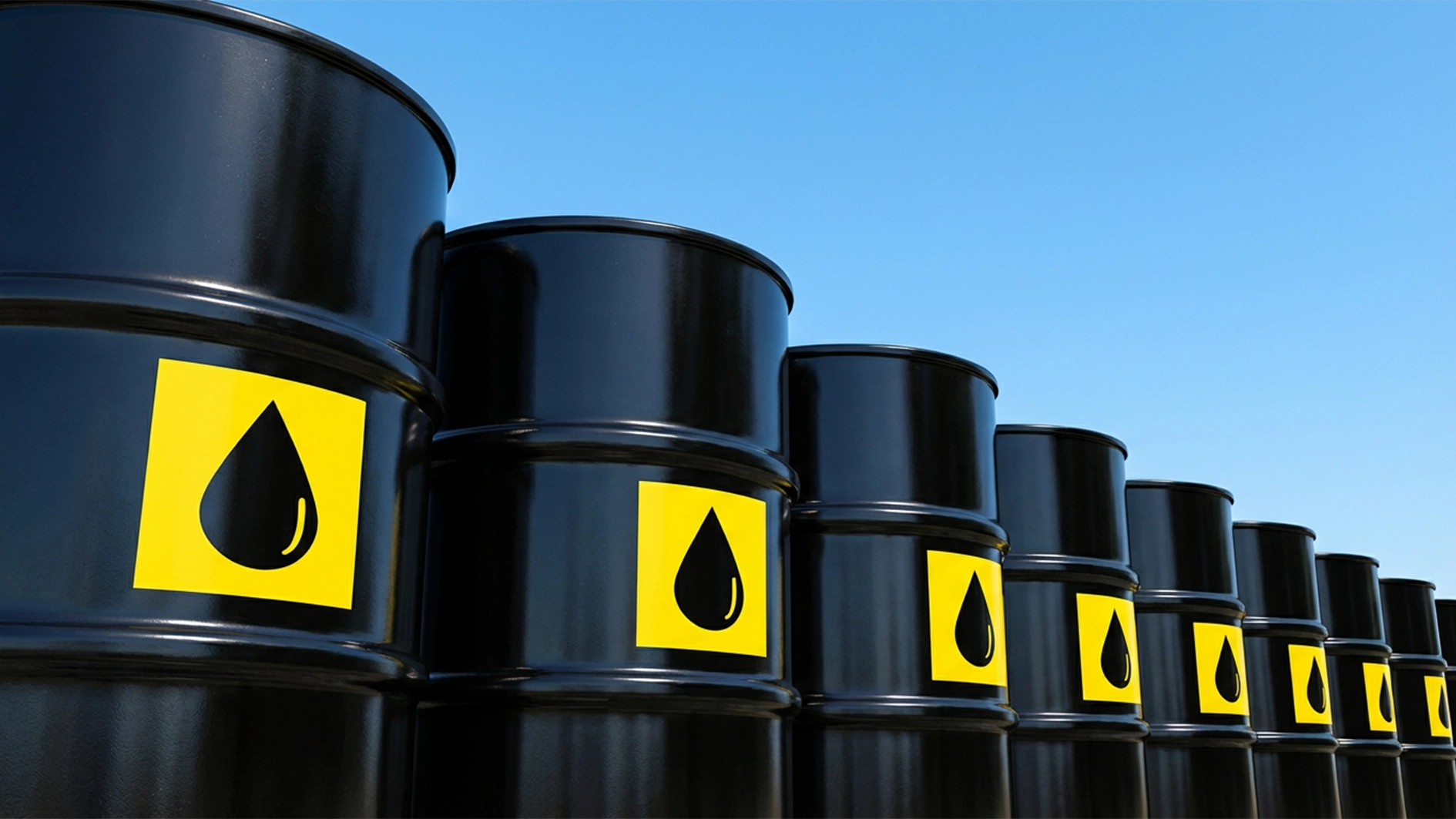
The prolonged Middle East oil crisis in 2026 is beginning to affect the global energy market beyond crude oil prices, with refinery disruptions expected to cut worldwide crude processing by an estimated 1.4 million barrels per day (bpd) in the fourth quarter.
Wood Mackenzie said the extended conflict is expected to reduce global crude runs by 1.4 million bpd, with Asia’s refining sector facing much of the impact. The disruption is changing crude supply routes and putting pressure on the market for refined petroleum products.
Why Refining Is Becoming the Bigger Problem
The latest development means the Middle East conflict oil supply crisis is no longer only about how much crude is being produced or exported.
Refineries turn crude oil into products such as petrol, diesel and jet fuel. If refineries cannot operate normally, crude that is available in the market cannot easily become fuel for consumers and businesses.
Global refinery output has already fallen sharply amid disruptions in the Middle East, while refiners in other regions are facing pressure to increase production. MarketWatch reported that global refinery output had dropped to about 80 million bpd from around 86 million bpd. That creates a second pressure point for the global fuel supply crisis.
Oil Has Already Crossed $100
The refining problems are developing as crude prices are already responding to the wider conflict.
Brent crude moved above $100 per barrel on September 9 for the first time since July, after renewed US-Iran fighting and attacks on Saudi energy infrastructure increased fears about future supply. Reuters reported that Brent had risen about 25% since the previous month.
The International Energy Agency expects global oil supply to decline by about 4.3 million bpd in 2026, while the US Energy Information Administration said Middle East production shut-ins reached 6.7 million bpd in August.
What It Could Mean for Consumers
The 1.4 million bpd refinery cuts could make refined fuel more expensive even in countries that are not directly involved in the conflict.
Higher diesel and petrol costs can raise transportation expenses, while airlines, manufacturers, shipping companies and food producers may also face higher operating costs.
For Asia, the risk is particularly important because the region depends heavily on Middle Eastern crude and refined products. Reuters reported that Asian energy companies are increasingly preparing for a prolonged disruption rather than expecting the market to quickly return to normal.
The next major question is therefore not simply how high oil prices can go. It is how long the world’s refineries can keep global fuel supplies moving if the conflict continues into the final months of 2026.