








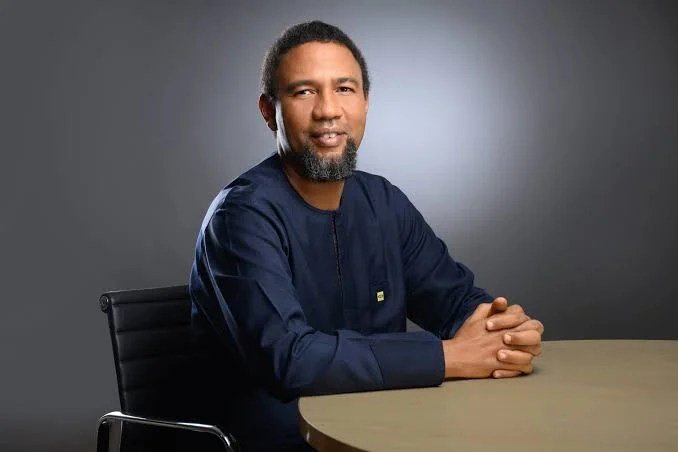
MTN Nigeria’s Chief Executive Officer, Karl Toriola, has defended the telecommunications giant against growing calls for a boycott following renewed anti-immigrant attacks on Nigerians in South Africa.
Speaking amid public outrage over the xenophobic violence, Toriola stressed that MTN Nigeria should not be viewed simply as a South African company, arguing that it has become deeply rooted in Nigeria’s economy and society. He condemned the attacks on Nigerians abroad and expressed solidarity with affected families while appealing for calm at home.
Toriola noted that MTN Nigeria is listed on the Nigerian Exchange and has more than 201,000 retail shareholders, while an estimated 11 million Nigerians indirectly own stakes through pension funds. He also highlighted the company’s contribution to government revenue through taxes and said the overwhelming majority of its workforce, including senior executives, are Nigerians, with only four expatriates occupying top management positions.
His comments come after some political figures and members of the public suggested revoking MTN Nigeria’s operating licence or nationalising the company in response to the attacks on Nigerians in South Africa. Toriola argued that such actions would ultimately hurt Nigerian investors, pension contributors, employees and businesses that depend on the telecom operator rather than those responsible for the violence.
The MTN boss also revealed that the company remains committed to expanding its presence in Nigeria, including plans for a new headquarters and continued investment in network infrastructure. He described Nigeria as MTN’s home and reaffirmed the company’s long-term commitment to supporting the country’s digital economy.
The remarks come against the backdrop of recurring diplomatic tensions between Nigeria and South Africa whenever xenophobic attacks occur. While calls for economic retaliation continue in some quarters, Toriola urged Nigerians to separate the actions of violent groups from businesses that have invested heavily in the country’s growth and development.