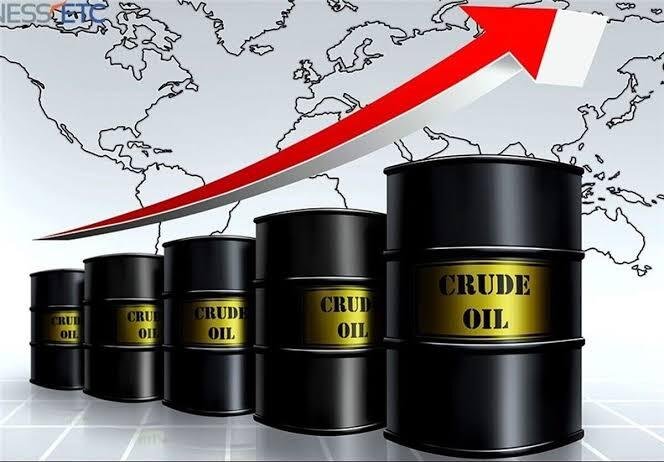
The Brent oil price above $100 is proving difficult to shake as global energy markets face several supply threats at the same time.
On Wednesday, October 7, Brent crude was trading around $100.93 a barrel, while US West Texas Intermediate stood at about $89.59. The market is balancing higher Middle East exports against continued attacks and a storm moving toward major US oil-producing areas.
The bigger concern is not simply today’s price. It is that the world has far less spare oil in storage to absorb another major disruption.
Why is Brent crude above $100?
The oil prices October 2026 rally is being driven by overlapping risks. The Middle East remains the biggest source of uncertainty, with attacks on ships and continuing conflict threatening oil flows.
At the same time, a storm developing in the Gulf of Mexico is expected to become the first Atlantic hurricane of 2026 and could disrupt US oil and gas production. The affected offshore region accounts for about 15% of US crude production and 5% of natural gas output.
That means even if Middle East supplies continue recovering, a separate disruption in the United States could tighten the market again.
Global oil inventories are becoming the bigger problem
The global oil supply risks 2026 story goes beyond production. Energy executives warned this week that less than 6 billion barrels of commercial oil inventories remain globally, with only a small portion readily available to the market. More than 1 billion barrels have already been taken from commercial stocks during this year’s supply crisis.
That leaves the market with less protection if another major producer or transport route is disrupted.
The International Energy Agency is also preparing to discuss another release of emergency diesel stocks, while G7 countries have agreed to release 100 million barrels of crude and fuel. But these measures can provide temporary relief rather than permanently solve supply problems.
What higher oil prices mean for the global economy
The oil prices Middle East conflict is already creating pressure beyond petrol stations.
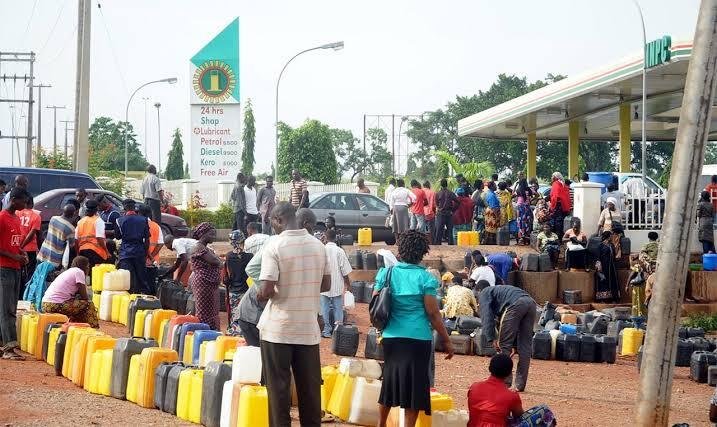
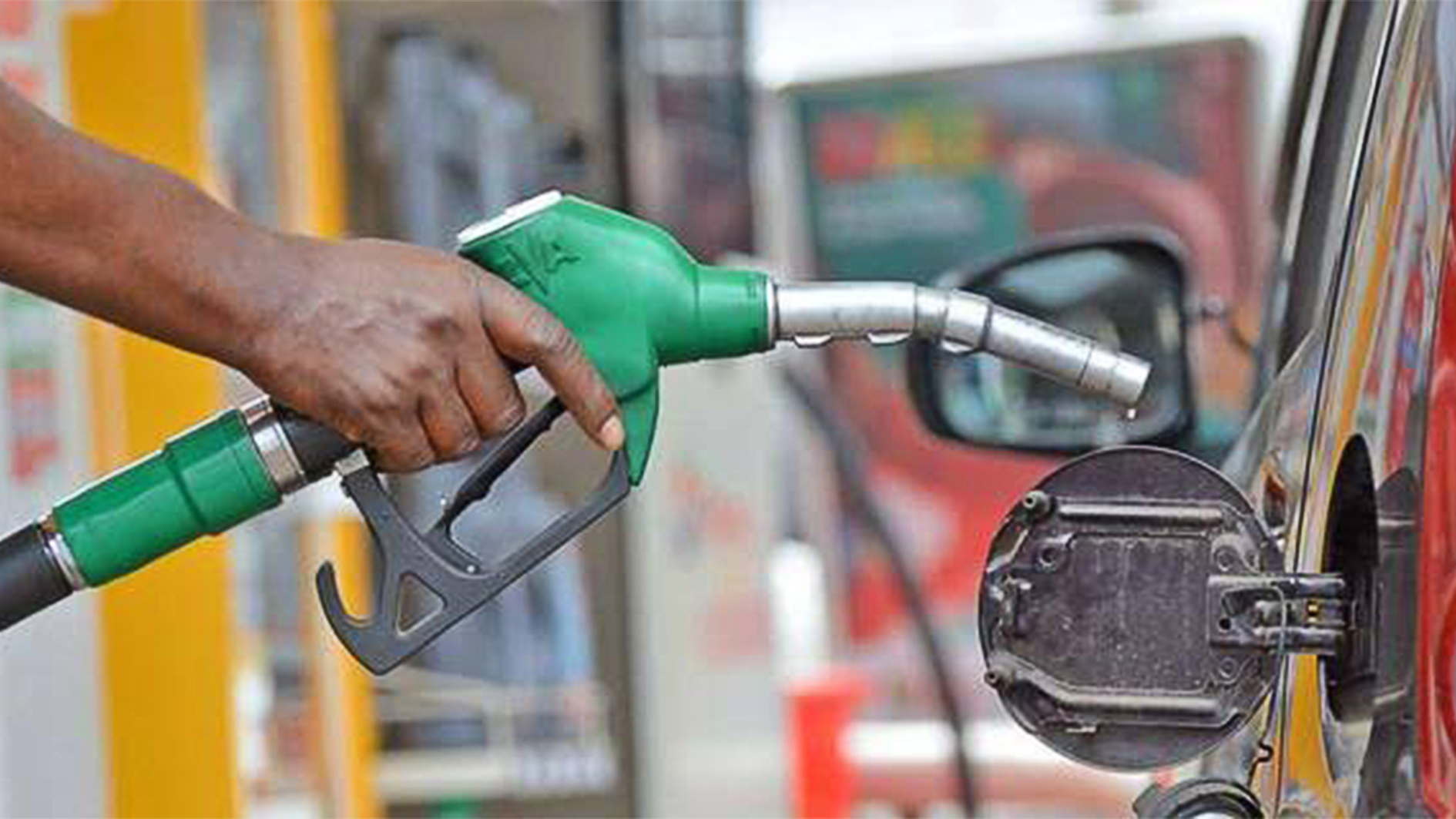
Higher crude prices raise transportation, manufacturing and electricity costs. Diesel is particularly important because it powers trucks, agriculture and industrial activity. Reuters reported that European diesel prices have also surged as the market reacts to supply concerns.
The US Energy Information Administration expects oil prices to remain elevated while Middle East supply constraints continue, although it expects prices to ease as alternative export routes develop and inventories recover.
For now, the message from the market is clear: when inventories are low, even a storm or another geopolitical incident can have an outsized effect on oil prices.